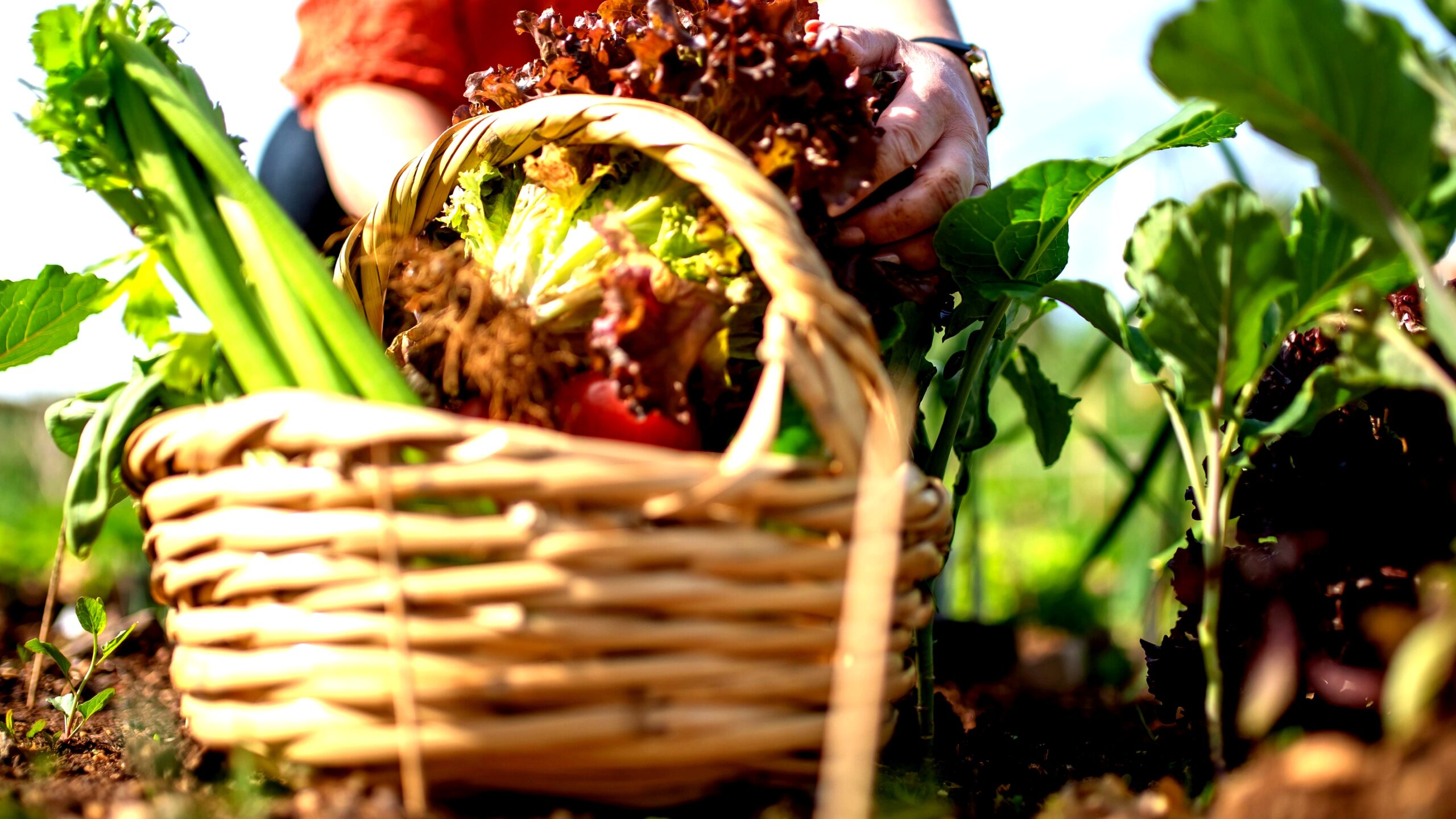
Veganic gardening grows plants without any animal inputs like manure, bone meal, or blood meal. Instead, fertility relies on vegetable compost, green manures, cover crops like clover and fava beans, and mulches such as hay. Liquid feeds from comfrey or nettles supply nutrients, while rock dusts and wood ash add minerals. Veganic gardening is a method of cultivation that excludes all animal-derived fertilizers, such as manure, blood meal, and bone meal, instead relying on vegetable compost, green manures, cover crops, and plant-based mulches to maintain soil fertility.
A veganic system mimics a forest floor, where organic matter accumulates on the surface, breaks down slowly, and feeds the soil life beneath. The gardener acts as a steward of decomposition, layering plant residues and letting microbes and worms handle the heavy lifting. No livestock, no slaughterhouse byproducts, no fish enter the system — fertility comes from plants alone, supporting each other in a closed loop. This approach builds soil without relying on animal agriculture.
What Does Veganic Gardening Exclude?
Vegan-organic gardening excludes a range of inputs that are standard in conventional and even many organic gardens. The prohibited list covers both animal-derived materials and synthetic interventions, according to Gentle World. Synthetic fertilizers, herbicides, and pesticides are also off the table. The guiding principle is simple: if it harms soil life or exploits animals, it does not belong in the bed.
Specific animal-based fertilizers avoided in this system include:
- Blood meal: A high-nitrogen slaughterhouse byproduct.
- Bone meal: Ground animal bones used for phosphorus.
- Slaughterhouse sludge: Processed waste from animal rendering.
- Fish emulsion: Liquid fertilizer made from fish processing waste.
How Do Compost and Green Manures Build Fertility?
Making vegetable compost and growing green manures are two renewable practices that build veganic fertility. Compost piles are created by layering food waste with coarse material like leaves or grass clippings, according to Gentle World. The right layering technique ensures proper aeration. This method recycles kitchen scraps and garden waste into valuable soil food and forms the backbone of a plant-based fertility system.
The ratio of green to brown materials determines how quickly the pile breaks down. Fruit and vegetable rinds bring nitrogen and moisture, while dried leaves, straw, and grass clippings add carbon and structure. Turned regularly and kept damp, the pile heats up, breaks down, and yields dark, crumbly humus that feeds the soil without a trace of animal input. The result is a nutrient-rich soil conditioner built entirely from plant waste.
Green manures take a different route to the same goal. A green manure consists of cover crops like wheat, oats, rye, vetch, or clover grown to be tilled into the soil, as Gentle World explains. The plants grow quickly, build biomass, and then get chopped down and turned under while still tender and green. Their decomposition fuels the microbial engine that builds stable soil organic matter.
Nitrogen-fixing cover crops do double duty. Species such as fava beans, clover, alfalfa, and lupines partner with rhizobia bacteria to pull atmospheric nitrogen into root nodules. When those plants are incorporated into the soil, the nitrogen becomes available to the next crop. Gentle World reports that nitrogen-fixing crops such as vetch, peas, broad beans, and crimson clover add nitrogen to soil during decomposition.
A gardener who sows a mix of oats and vetch in early spring, cuts it at flowering, and forks it in before planting tomatoes will see the difference in leaf color and vigor. No blood meal required. The fertility comes entirely from living plants and the microorganisms that process them, creating a self-sustaining cycle. This demonstrates how plant-based fertility works in practice, with visible results within weeks, and is a core practice in veganic gardening that feeds the soil without animal products.
How Do Mulching and Liquid Feeds Work?
Mulch is the silent workhorse of a veganic garden. A thick layer of hay laid across the soil surface does several jobs at once. Hay mulch suppresses weeds, feeds soil with organic matter, and encourages worms, according to Gentle World. It shades the ground, holds moisture through dry spells, and slowly decomposes from the bottom down, releasing nutrients right where roots can reach them.
Vegetable compost, fallen leaves, and grass clippings also serve as mulching materials. Gentle World notes that vegan-organic soil conditioners include hay mulch, wood ash, and composted organic matter such as fruit and vegetable peels, leaves, and grass clippings. A gardener can pile these around established plants in spring and let the soil biology incorporate them over the season. This builds soil structure and fertility gradually, recycling garden waste efficiently.
Liquid feeds offer a faster nutrient pathway, and comfrey and nettles are the two standout plants for homemade brews, with comfrey providing a feed rich in potash, according to Gentle World. That potash fuels flower and fruit formation, and tomatoes, peppers, and squash respond visibly with better yields. Nettles fill a different role as a multi-purpose feed. Both are easy to make and highly effective, supplying nutrients quickly during critical growth stages.
Making either feed is straightforward: pack a bucket with chopped leaves, add water, cover, and let it steep for several weeks. Then strain the dark liquid, dilute it to the color of weak tea, and water it in around heavy feeders. The smell is sharp, but the results are worth it. This liquid feed delivers a concentrated nutrient boost directly to plant roots and is an essential technique for veganic gardeners seeking rapid results.
What Role Do Rock Dusts and Mineral Amendments Play?
Plant-based feeds handle carbon and nitrogen, but soil also needs minerals. Veganic gardeners turn to rock dusts and mined amendments to supply these. Gentle World notes that rock dusts are used to re-mineralize soil and stimulate microbial activity. These minerals provide trace elements often missing in compost and improve soil structure and pH balance, with use based on soil test results.
Key mineral inputs in a veganic system include:
- Lime: Reduces soil acidity by raising the pH level and adds calcium and magnesium.
- Gypsum: Adds calcium to soil without raising the pH level — useful in clay soils that need structure but not more alkalinity.
- Dolomite: A ground rock dust used as a source of calcium and magnesium.
- Rock phosphate: Mined as phosphorite, with apatite as the primary mineral. Provides phosphorus for root development and flowering.
- Rock potash and wood ash: Provide potassium to enhance flower and fruit production.
- Green sand: Provides potash, iron, magnesium, silica, and up to 30 other trace minerals.
- Seaweed: Used in veganic gardening for trace elements.
These materials are non-renewable and extracted from the earth. Gentle World explains that non-renewable fertilizers including lime, gypsum, rock phosphorus, dolomite, rock dusts, and rock potash are occasionally used in veganic gardening. The usage is conservative — a soil test comes first, then a targeted application. This ensures minimal extraction and maximal benefit, with a priority on renewable sources when possible.
A gardener working heavy, acidic clay might apply dolomite at a measured rate and follow it with a dusting of rock phosphate before planting. Green sand and seaweed go on in smaller quantities to cover trace minerals that compost and cover crops do not reliably supply. The goal is balance, not saturation. These targeted applications correct specific deficiencies and are a precision tool in the veganic toolkit.
How Do Worm Castings and Other Amendments Condition Soil?
Worm castings sit at the intersection of compost and mineral. Gentle World notes that worm castings improve soil structure and increase fertility. The casts are rich in humus, beneficial bacteria, and plant-available nutrients. A handful in a planting hole or a thin topdressing around seedlings delivers a gentle, sustained feed, and the worms themselves process only vegetable waste in a veganic system.
Lime addresses a different problem entirely, as acid soils lock up nutrients. Lime reduces soil acidity by raising the pH level and adds calcium and magnesium, according to Gentle World. A soil test indicating low pH calls for lime, typically applied in fall or early spring and worked into the top few inches. Lime is a common amendment for acidic soils in veganic gardens, correcting the deficiency without animal inputs.
EM Bokashi brings fermentation into the fertility toolkit. It is fermented organic matter containing lactic acid bacteria, yeast, photosynthetic bacteria, and actinomycetes, as Gentle World describes. Kitchen scraps fermented with bokashi bran break down faster when buried in garden soil, and the microbes jump-start decomposition and suppress putrefactive organisms, accelerating composting and enriching soil with beneficial microbes. This method is particularly useful for recycling kitchen waste quickly.
For magnesium deficiencies, which show up as yellowing between leaf veins, Epsom salts are a source of magnesium, according to Gentle World. Dissolved in water and sprayed on leaves, they correct the shortage quickly through foliar application. Epsom salts are a mineral amendment used sparingly to address specific deficiencies, not a routine input, but they can be effective when needed and are considered acceptable in veganic gardening. Such targeted treatments support plant health without disrupting soil biology.
What Plant-Based Nitrogen Sources Are Available?
Nitrogen hunger shows up fast in a vegetable garden — pale leaves, slow growth, thin stems. Veganic gardeners reach for concentrated plant meals to correct it. Gentle World lists alfalfa meal, flax seed meal, cottonseed meal, and soya meal as sources of nitrogen. These meals provide a quick nitrogen boost without animal byproducts and are applied in measured amounts to avoid overfeeding.
- Alfalfa meal: A balanced feed with nitrogen plus growth-stimulating triacontanol.
- Flax seed meal: Breaks down steadily and suits heavy feeders like brassicas.
- Cottonseed meal: Acidifies slightly as it releases nitrogen — useful around blueberries and other acid-loving plants.
- Soya meal: A high-nitrogen option that decomposes quickly in warm soil.
Rates are measured, not scattered, and matched to each crop’s demand. Alfalfa meal mixed into the backfill soil at planting carries a plant through its first month of growth. These meals are not substitutes for soil-building but rather tactical boosts deployed when a crop needs nitrogen fast and compost alone cannot deliver it in time. Application rates depend on crop needs and soil conditions, and using them wisely avoids nutrient imbalances.
How Does Companion Planting Control Pests?
Marigolds earn their keep in a veganic garden. Gentle World states that marigold borders deter certain insects and improve soil via their root system. The roots exude compounds that suppress nematodes and some pathogenic fungi. French marigolds, in particular, build a reputation among growers for reducing root-knot nematode pressure around tomatoes and potatoes, making them a valuable companion for several vegetable crops, and their bright flowers also attract pollinators.
A continuous border of marigolds does more than defend. It draws pollinators and beneficial insects that prey on aphids and caterpillars. The bright orange and yellow flowers bloom for months, adding a layer of functional beauty to the vegetable patch. Companion planting with marigolds requires no sprays, no traps, and no animal products, and it works by keeping the garden ecologically diverse and hostile to pests only.
Conclusion
A veganic garden proves that fertility does not depend on animal agriculture, as vegetable compost, green manures, and cover crops build humus, and hay mulches and plant-based liquid feeds sustain growth through the season. Mined minerals and rock dusts fill the gaps. The system runs on renewable plant inputs and thoughtful soil management. A gardener who adopts these methods closes the loop between what comes out of the kitchen, what grows in the bed, and what returns to the earth.
FAQ
Q: What is the main difference between veganic gardening and organic gardening?
A: Veganic gardening excludes all animal-derived inputs such as manure, blood meal, and bone meal, while organic gardening may allow them. Veganic methods rely solely on plant-based compost, green manures, and mineral amendments.
Q: Can I use rock phosphate in a veganic garden?
A: Yes, rock phosphate is allowed as a non-renewable mined mineral source. It provides phosphorus and is often used to correct deficiencies without relying on animal byproducts. Q: What cover crops are best for fixing nitrogen in veganic soil?
A: Fava beans, clover, alfalfa, lupines, vetch, peas, and crimson clover are all effective nitrogen-fixing cover crops that can be tilled in to enrich the soil.