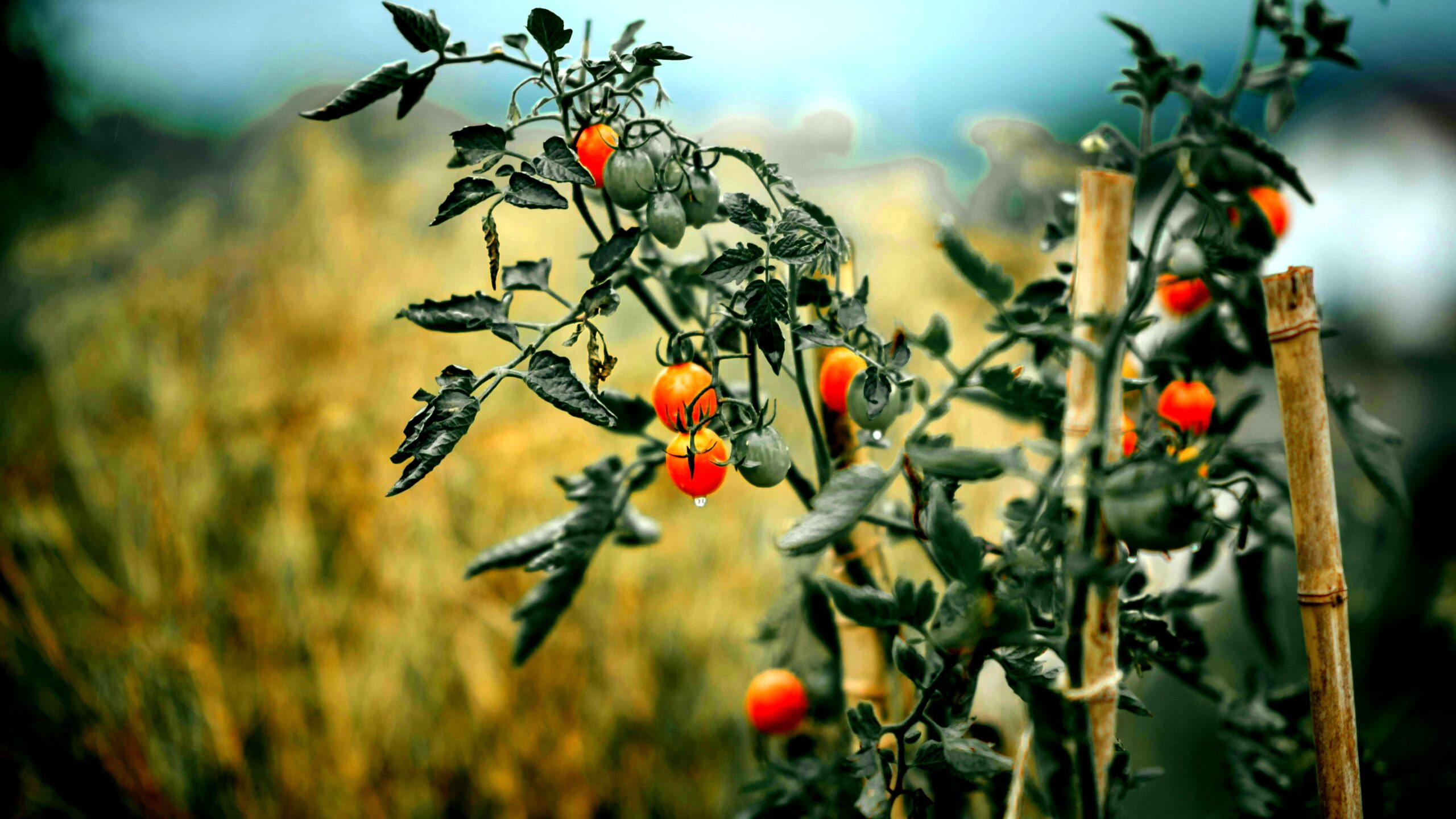
Professional tips for growing vegetables start with small, well-prepared beds and high-quality compost. Use soil tests to correct deficiencies. Direct seed lettuce, peppers, okra, potatoes, and sweet potatoes as starter crops.
Plant in fall for better flavor and fewer pests. Implement cover crops like winter rye and crimson clover to build soil health. Tips for growing vegetables are practical, proven methods for cultivating a productive vegetable garden, focusing on soil health, crop selection, and season extension.
Kyle Crawford launched Ladybird Farm in 2020, transforming his experience into a Community Supported Agriculture (CSA) operation that distills large-scale organic production into accessible home-garden methods. His approach ditches complicated systems for a handful of precise, repeatable techniques that any gardener can adopt in a single season.
What Size Vegetable Bed Should a New Gardener Start With?
Kyle Crawford recommends new gardeners start with small beds and finish soil preparation two weeks before planting. The two-week window allows compost and amendments to integrate before seeds or transplants touch the soil. Small beds keep maintenance manageable and mistakes recoverable. A 4-by-8-foot rectangle or a few 3-by-6-foot raised frames cover enough ground to feed a household without becoming overwhelming.
Ladybird Farm cultivates approximately 2/3 of an acre with slightly raised permanent beds, a layout that balances production with labor. Crawling in scale from a small home plot to that size took consistent observation, not a single giant leap. Home gardeners can mirror this by mastering one or two beds before digging more.
Soil compaction is the quiet enemy of seedlings pushing roots through hardpan. Kyle Crawford uses a broadfork to alleviate soil compaction without destroying structure, a tool that loosens the subsoil while leaving layers and microbial networks intact. On his production acreage, he runs a walk-behind tractor with a rotary plow for working soil and preparing beds, a step that saves time when scale demands it. For a home gardener with a few beds, a broadfork and a wheel hoe cover nearly every task.
How Do You Prepare Soil for a Productive Vegetable Garden?
Kyle Crawford recommends using high-quality compost to reintroduce microbial life to depleted soils. Fungal threads, bacteria, and nematodes drive nutrient cycling faster than any bagged amendment. A 2-to-3-inch layer worked into the top few inches feeds that underground engine. Soil without active biology may test adequate on paper but still produce stunted plants.
A laboratory soil test strips out the guesswork. Kyle Crawford suggests a soil test to determine specific nutrient deficiencies, a step worth the $15 to $30 lab fee. The report shows pH, organic matter percentage, and levels of phosphorus, potassium, and micronutrients. Applying amendments by the numbers prevents the common mistake of dumping too much nitrogen and burning roots.
Kyle Crawford does not use herbicides, pesticides, or chemical fertilizers. Synthetic nitrogen salts bypass the soil food web and give plants a quick green-up that fades fast. Long-term fertility flows from organic matter.
Compost, cover crop residue, and mineral amendments like greensand or lime adjust chemistry without sterilizing the soil. A soil that smells earthy after rain signals the right balance.
Which Vegetables Are Easiest to Grow From Seed?
Kyle Crawford suggests direct seeding vegetables instead of using store-purchased transplants. Direct-sown plants build root systems from day one without transplant shock. The following crops deliver reliable germination and forgiving growth:
- Lettuce: Sprinkle seed on a raked surface and press it in. Germinates in cool soil and produces cut-and-come-again leaves for weeks.
- Peppers: Start indoors or direct-seed after frost in warm soil. Patience pays off — transplants grow slowly, then explode in heat.
- Okra: Soak seeds overnight and plant in warm ground. Sturdy stalks withstand wind and produce pods until frost.
- Potatoes: Cut seed potatoes with at least two eyes per piece and plant 4 inches deep. Hill soil around stems as they rise.
- Sweet Potatoes: Order slips or grow your own. Slip roots into loose, sandy soil and keep watered until vines run.
Carrots are described as tough to germinate, a frustration that catches even experienced gardeners. The tiny seeds demand consistent surface moisture for up to three weeks. A floating row cover or a board laid over the row traps humidity enough to improve results.
Brassicas are described as susceptible to flea beetles or caterpillars, with imported cabbageworm moths laying eggs on leaves through summer. Netting excludes the moths, but timing a fall crop often works even better.
How to Use Cover Crops to Build Soil Fertility
Bare soil is a resource leak. Rain compacts it, ultraviolet light kills surface microbes, and weeds claim the space. Cover crops plug that gap with roots that hold soil, fix nitrogen, and pump carbon underground. Kyle Crawford integrates them across Ladybird Farm in a near-continuous rotation.
Winter rye is planted by Kyle Crawford through late November or December, a cold-hardy grain that germinates at soil temperatures just above freezing. It puts on growth through winter thaws and surges in early spring. Kyle Crawford cuts winter rye in late spring prior to seed setting to use as mulch, laying the stems in place to smother weeds and retain moisture.
The residue breaks down into a dark, crumbly layer that feeds the next crop. He uses a sickle-bar mower for cutting cover crops, a tool that slices through thick stems without chopping them too fine for mulch.
Oats are used as a winter cover crop if planted by late summer, but they winter-kill in hard freezes. That can be an advantage — the dead residue forms a mat that requires no cutting before spring planting. Winter peas and crimson clover increase soil nitrogen levels when paired with oats.
The peas climb the oat stems while the clover spreads low, together fixing enough nitrogen to reduce or eliminate supplemental fertilizer for a following heavy feeder like corn. Crimson clover is seeded by Kyle Crawford under peppers and fall brassicas, establishing in the shade and taking off after harvest.
Pathways deserve cover too. Dutch white clover is used by Kyle Crawford in pathways to reduce weeds and provide insect habitat. The low-growing perennial tolerates foot traffic and feeds bees through its long bloom period. Mowing it a few times a season keeps it tidy and prevents it from creeping into beds.
How Do Cover Crops and Flame Weeding Control Weeds and Pests?
Weeds and insect pests share a common weakness: interruption. Leaving soil fallow or spraying broad-spectrum poisons invites both problems. Mechanical and biological tools break the cycle without chemistry.
Kyle Crawford uses a propane torch flame weeder to clear weeds or cover crops. The wand passes over seedlings, bursting cell walls and killing annual weeds within seconds. It works best on tiny, just-germinated weeds in a prepared bed — a stale seedbed technique where the soil is prepped, weeds are triggered to sprout, and the flame destroys them before planting. This avoids disturbing soil layers and bringing dormant seeds to the surface.
Buckwheat is planted by Kyle Crawford after the last frost to smother weeds and attract beneficial insects. It fills a bed in four weeks, shading out purslane and crabgrass before they gain a foothold. The flowers pull in hoverflies and minute pirate bugs that prey on aphids and thrips.
A more targeted strategy places this fast grower between cash crops. Kyle Crawford plants buckwheat between tomato beds to attract parasitic wasps for tomato hornworm control. The wasps lay eggs inside hornworm larvae, ending a heavy defoliation threat before it starts. Mowing buckwheat before it sets seed prevents volunteer problems in the next rotation.
How Does Fall Growing Reduce Pest Pressure and Improve Flavor?
Summer gardening rewards heat-tolerant crops but punishes cool-weather favorites with bolting, bitter flavors, and relentless insect pressure. Shifting a portion of the garden to fall changes that equation dramatically. Kyle Crawford recommends growing vegetables in the fall due to improved flavor and reduced pest pressure.
Cool nights concentrate sugars in kale, carrots, and Brussels sprouts. Flea beetles and cabbageworms cycle down as temperatures drop.
Organic farms often experience an increase in pests for the first few years after switching to organic methods before pest numbers decrease. A garden suddenly stripped of its chemical shield can flush with aphids and beetles as predator populations lag behind. Patience through that transition matters.
Planting buckwheat strips, establishing clover pathways, and adding fall crops all feed the beneficial insects that eventually suppress outbreaks. By year three or four, the garden holds its own with far less intervention.
The fall window also buys time. Crops like turnips, radishes, and spinach mature faster in cooling soil than they do under the stress of lengthening spring days. A simple low tunnel over a bed extends harvests through frost. The result tastes better and requires less spraying, squishing, or worry.
Conclusion
Soil health anchors every one of these strategies. Small beds, prepared with a broadfork and finished two weeks ahead of planting, set the stage. A soil test and high-quality compost feed the microbes that feed the plants.
Direct seeding lettuce, peppers, okra, potatoes, and sweet potatoes builds confidence fast. Cover crops like winter rye, crimson clover, and Dutch white clover protect and enrich soil year-round. A flame weeder and well-timed buckwheat handle weeds and pest insects without chemicals.
Fall planting sidesteps summer’s worst pest pressure and deepens flavor. Kyle Crawford proved on Ladybird Farm that these methods hold up at scale. Start with one bed and one cover crop this season, and let the results drive the next step.
FAQ
Q: What is the first step to improving soil for vegetable growing?
A: Start with a soil test to identify deficiencies, then add high-quality compost. Kyle Crawford emphasizes using compost to reintroduce microbial life. Avoid chemical fertilizers.
Q: What cover crop should I plant in the fall for nitrogen?
A: Winter peas and crimson clover increase nitrogen levels when paired with oats. Oats must be planted by late summer, while winter rye can go in through late November or December.
Q: How can I control pests without pesticides?
A: Use cover crops like buckwheat to attract beneficial insects. Buckwheat between tomato beds attracts parasitic wasps for hornworm control. Also, flame weeding with a propane torch clears weeds and cover crops.