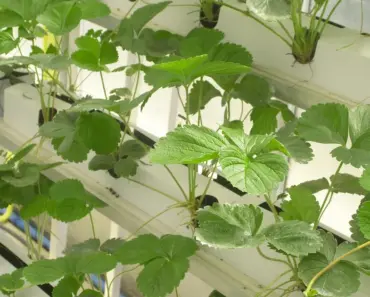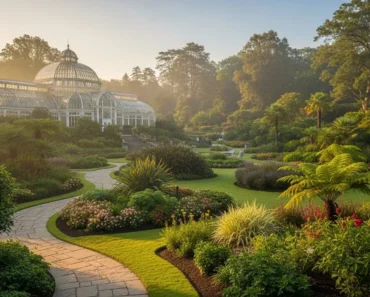
In 2026, gardening is having a quiet revival as people seek screen-free analog hobbies that restore a sense of calm. If you are new to gardening for beginners, the thought of starting a garden can feel daunting. But as Bobby from Bobby’s Best Starts reminded listeners on the ‘House Guest‘ podcast with Kenzie Elizabeth, you do not need to build the perfect garden overnight. The secret is to start small and release the pressure of perfectionism. Even a single pot on a windowsill or one tomato plant counts as a beginning. You can always expand later, but the first step is simply to begin.
1. It’s Simpler Than You Think: Start Small and Succeed
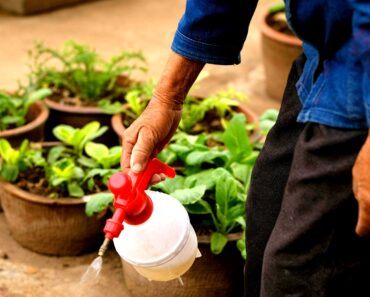
So you are ready to begin, but where exactly? The beauty of gardening for beginners is that you do not need a big backyard or expensive gear. A single container on your patio, balcony, or sunny kitchen windowsill is enough to get a taste of growing things. Container gardening makes it easy to control soil, water, and sunlight without feeling like you have taken on too much. Bobby of Bobby’s Best Starts advises against trying to build the perfect garden immediately. That kind of pressure often leads to frustration. Instead, let your garden grow alongside your confidence, one small success at a time.
One pot with a tomato plant, a few herbs, or a cheerful flower teaches you the basics without the stress of a large plot. Small space gardening means less weeding, less watering, and fewer beginner garden mistakes to correct. You learn what works in your particular spot and adjust from there. You do not need a formal garden starter kit either—just a pot, some quality soil, a plant you like, and a little patience. Over time, your garden will get better, and so will your skills. Start with one, and you will soon see how quickly small steps lead to real rewards.
2. Gardening Cultivates Mindfulness and Inner Peace
Once you have that first pot and a little patience, something unexpected happens. You start to slow down. In a world full of screens, gardening forces you to be present in a way few other activities can. Tending to a living thing asks for your full attention — the feel of the soil, the sight of a new leaf, the quiet rhythm of watering. This is mindfulness gardening in its purest form. It is not about doing more; it is about being where you are. Many people are turning to analog hobbies like this for a healthy break from digital overload. Watching a plant grow can be a meditative, grounding experience that offers real stress relief gardening benefits. For anyone exploring gardening for beginners, the mental health benefits of gardening are often the first reward you notice, long before any harvest.
Gardening is having a moment in 2026, and for good reason. It offers a gentle digital detox that does not require you to delete apps or set timers. Instead, you simply step outside or tend to a windowsill pot. The daily care — checking moisture, turning the pot, brushing a leaf — becomes a quiet ritual. This meditative rhythm helps quiet a busy mind. You are not worrying about tomorrow or replaying yesterday. You are just there, with the plant. That is the real peace gardening offers. And it is available to anyone, starting with a single seed.
3. Know Your Growing Zone – The First Step to Success
That quiet, peaceful moment with your plant is wonderful. But to keep that feeling going, you need your plant to actually survive. Nothing kills gardening joy faster than watching a beautiful seedling wilt because the climate was wrong. That is why your first practical step as one of the many gardening for beginners should be to learn your growing zone. A growing zone, also called a USDA hardiness zone, is a map region based on the average coldest winter temperatures in your area. It tells you which plants can handle your local winters and which will not make it.
What Exactly Is a Growing Zone?
Think of it as a cheat sheet for climate and gardening. Each zone has a number, and the lower the number, the colder the winters. A plant labeled for zone 5 will likely freeze in a zone 3 garden. Knowing your zone saves you money and disappointment. It also helps you create a realistic planting calendar, so you know when to sow seeds indoors or set transplants outside.
How to Find Your Growing Zone in Seconds
Do not guess. How to find growing zone is simple: go online and search for a growing zone map by zip code. The USDA website and many university extension sites have free tools. Enter your zip code, and you will get your zone number instantly. Write it down. Keep it with your garden tools. That number becomes your guide for every seed packet and nursery plant you buy. It is the small step that makes all the difference between a garden that struggles and one that thrives.
4. Healthy Soil = Healthy Plants: Start with the Ground Up
Once you know your planting dates, the next step is to give your plants a strong foundation. Soil health matters more than beginners think. You do not need expensive products or complicated formulas. Simple organic matter, like compost or used coffee grounds, can transform your garden. Good soil is alive with microbes and organic matter that feed plants naturally. For gardening for beginners, focusing on the soil microbiome is one of the most rewarding habits you can develop.
Used coffee grounds are a simple way to improve soil. They add nitrogen and improve soil structure when applied correctly. But be careful: too many coffee grounds can be harmful. Use them sparingly, such as a thin layer mixed into the soil or added to your compost pile. Other easy ways to boost soil health include adding chopped leaves, grass clippings, or kitchen scraps. Composting for beginners doesn’t have to be complicated—start a small pile or use a bin. Over time, these habits build rich, living soil that supports strong, healthy plants.
5. Choose Beginner-Friendly Plants for Early Wins (Beyond Just Tomatoes)
Once your soil is on the mend, it’s time to pick what you’ll grow. Tomatoes are a classic starter, and they’re included here for good reason—they’re forgiving and rewarding. But herbs, peppers, lettuce, and other fast-growing plants give you confidence and a quicker harvest. For gardening for beginners, early wins matter. They keep you motivated and show you that your efforts pay off.
Consider these top choices for easy vegetables for beginners: tomatoes, basil, mint, lettuce, radishes, peppers, and marigolds. Marigolds aren’t for eating, but they brighten the garden and help deter pests. A simple herb garden for beginners could be basil and mint in one pot—both grow quickly and smell wonderful. When it comes to watering plants correctly, water deeply but less often. Check soil moisture before watering; if the top inch feels dry, it’s time. Many beginners make common gardening mistakes like overwatering, ignoring sunlight requirements for vegetables, or planting too early or too close together. Start with one pot, one bed, or one tomato plant. Learn what that plant needs, then add more. A garden gets better over time. For where to buy starter plants, check local garden centers or nurseries—they offer plants suited to your area and can answer questions on the spot.
Frequently Asked Questions
How do I find my growing zone?
Your growing zone tells you which plants thrive in your area based on climate. Look up your zone using your zip code on an official gardening map. This simple step helps you choose plants that will survive your winters and summers, making gardening for beginners much more successful.
What is the easiest plant for a beginner to grow?
Herbs like basil, mint, or chives are wonderfully low-maintenance and forgiving. They grow happily in small pots on a sunny windowsill or balcony. Picking an easy plant like this builds confidence and gives you fresh flavors without complex care.
Can I grow a garden in a small apartment or balcony?
Absolutely. Container gardening makes it possible to grow herbs, leafy greens, and even compact tomato varieties in limited space. Use pots with drainage holes, quality potting mix, and a spot that gets several hours of sunlight. It’s a cozy, budget-friendly way to start gardening anywhere.