July is one of the busiest months in the garden across Goldsboro and Wayne County, and knowing the right July gardening tips can make all the difference between a garden that merely survives and one that truly thrives. The heat is on, and your plants need a tailored approach to watering, pest control, and overall maintenance to keep those summer blooms going strong. Fortunately, local resources like the N.C. Cooperative Extension office are here to help with soil testing, pest identification, and practical workshops tailored to our region.
This summer gardening guide walks you through the essential July garden tasks you won’t want to miss — from smart watering strategies and natural pest management to fertilizing, harvesting the season’s bounty, and even planning ahead for fall planting. Consider this your seasonal gardening advice for making the most of this high-energy month in Wayne County.
Watering Strategies for July
As the heat of July settles in, your garden’s need for water becomes a daily priority. Getting this right makes all the difference between a garden that merely survives and one that truly thrives. By now, you’ve likely noticed how quickly the soil dries out under the summer sun. A thoughtful approach to watering not only keeps your plants happy but also supports water conservation in your garden, especially helpful during any drought management challenges that may arise.

The Importance of Timing and Depth
The best time to water is early in the morning. This simple shift in your routine reduces evaporation, meaning more moisture reaches the roots where it’s needed most. When you do water, aim for deep watering rather than a quick sprinkle. Light watering encourages shallow roots that struggle in dry spells. By watering deeply and less frequently, you encourage stronger root systems that can reach moisture deeper in the soil. This is one of the most valuable July gardening tips you can adopt.
Using Mulch to Retain Moisture
After watering, help that moisture stick around by applying two to three inches of mulch around your vegetables, flowers, and shrubs. Good mulching tips include using organic materials like shredded bark or straw, which slowly break down and improve the soil over time. This layer acts as a protective blanket, keeping the ground cooler and reducing how often you need to water. As a bonus, it also suppresses weeds, saving you time on maintenance later.
Handling Watering Restrictions
Keep in mind that most vegetable gardens need approximately one inch of water each week from rainfall or irrigation. During a dry July, you may need to supplement with careful hand-watering or a soaker hose. If local restrictions come into play, focus your water on the most valuable plants and consider grouping pots together to create a humid microclimate. With these strategies, you can manage your garden’s hydration wisely while still enjoying lush summer blooms.
Pest and Disease Management While Protecting Pollinators
Once your watering routine is under control, the next piece of the July puzzle is managing the pests and diseases that love this season just as much as your flowers do. The warm, humid weather in Wayne County creates ideal conditions for insects and plant diseases. But you do not have to choose between a healthy garden and protecting the pollinators that visit it. These July gardening tips will help you strike that balance with confidence.
Identifying Common July Pests
Summer garden pests such as aphids, spider mites, and whiteflies tend to multiply quickly in hot, humid weather. The first step is knowing exactly what you are dealing with. The local North Carolina Cooperative Extension office provides gardening advice, pest identification, and workshops. You can bring in a sample or send a photo, and they will help you identify the problem. Accurate identification means you can choose a targeted solution instead of spraying broadly, which is safer for beneficial insects.
Choosing Organic vs. Chemical Controls
Integrated pest management, or IPM, is the most effective long-term strategy. It begins with prevention, then moves to monitoring, and only uses controls when absolutely necessary. When you do need to act, organic pest control options are often the better choice. Neem oil, insecticidal soaps, and introducing beneficial insects like ladybugs can handle many problems without leaving harsh residues. If a chemical treatment becomes unavoidable, use it sparingly and only in the evening when pollinators are less active.
Tips for Protecting Pollinators
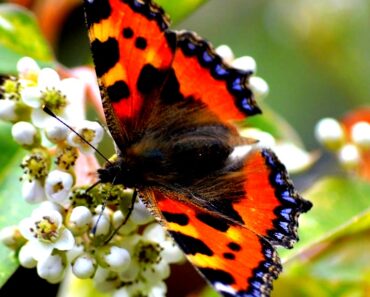
Beneficial insects such as bees, butterflies, and predatory wasps are your allies in the garden. To protect them, avoid spraying open flowers directly. If you must treat a plant, trim off the blooms first or wait until they have faded. Also, create a small water source, like a shallow dish with pebbles, so pollinators can drink without drowning. By combining careful pest control with pollinator-friendly habits, your garden can stay vibrant and productive all month long.
Fertilizer and Soil Testing for July Growth
Now that your garden is buzzing with pollinators and pests are under control, it is time to focus on feeding your plants. Proper nutrition in July is key to keeping blooms vibrant and vegetables productive. These July gardening tips for fertilizer and soil testing help you give your plants exactly what they need. Feeding correctly requires understanding both the fertilizer needs of your plants and the health of your soil through testing.
Fertilizing Vegetables and Flowers
Vegetables and flowers in full summer growth benefit from a balanced fertilizer schedule. Look for a product with a suitable NPK for summer, meaning a ratio that supports both leaf growth and flower or fruit production. A slow-release fertilizer works well, providing nutrients steadily through the heat. Apply according to the instructions, focusing on the soil around the base of the plants rather than the leaves. This keeps feeding efficient and avoids burning tender foliage.
Lawn Fertilizer Needs in July
Your lawn also needs careful attention in July. Hot weather can stress grass, so avoid heavy fertilizer applications that push rapid growth. A light feeding with a nitrogen-rich formula helps maintain green color without demanding extra water. Stick to a fertilizer schedule that matches your grass type and local climate. For cool-season grasses, a lighter hand is better; warm-season grasses can handle a bit more. Always water after fertilizing to help nutrients soak in.
How to Soil Test
The best way to know what your soil lacks is through testing. Home soil testing kits give a quick read on pH and basic nutrients, but for precise recommendations, contact your local Cooperative Extension office. For instance, the North Carolina Cooperative Extension provides soil testing, gardening advice, pest identification, and workshops. They can interpret your soil test results and tailor fertilizer applications to your garden’s specific nutrient management needs. This removes guesswork, so you apply only what is necessary. By testing your soil now, you can adjust your fertilizer schedule for the rest of summer, ensuring your plants get the right balance for thriving blooms and harvests.
Related reading: our post Gardening 101: 5 Tips for Central Texas Beginners offers more practical ideas on this.
Harvesting and Deadheading for Continuous Blooms and Produce
Once you’ve balanced your soil with the right nutrients, your July gardening tips shift to keeping plants productive. Regular harvesting and deadheading are simple but powerful techniques to keep your garden productive and colorful through July. The more you pick vegetables and remove faded flowers, the more your plants will reward you with new growth. It’s a satisfying cycle that turns your daily garden check into a small harvest or a tidy-up session.
Encouraging Continuous Vegetable Production
Harvest vegetables regularly to encourage plants to continue producing throughout the season. When you leave ripe zucchini, cucumbers, or beans on the vine, the plant gets the signal that its job is done and slows down. But if you pick them promptly at their peak, the plant responds by sending out more flowers and fruit. For the best results, check your vegetable beds every day or two. Gently twist or snip off ready produce, being careful not to damage stems. This vegetable harvesting tip not only keeps your plants productive but also ensures you enjoy the freshest flavor from your garden. Balanced with consistent watering and a watchful eye for pests, your summer veggie patch can keep giving well into August.
Deadheading Flowers for Nonstop Blooms
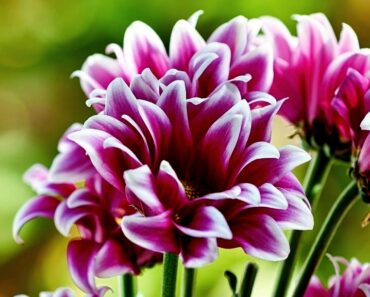
Remove spent blooms to encourage continued flowering. This technique, often called deadheading, stops the plant from putting energy into seed production. Instead, it channels that energy into forming new buds. For continuous bloom perennials like coneflowers, salvia, or coreopsis, simply snip off the faded flower heads just above a leaf node or a healthy side shoot. Use clean, sharp pruners to make quick work of it. These deadheading techniques are easy to learn and make a noticeable difference in how long your garden stays bright. Aim to deadhead a little each time you walk through your garden, and soon it becomes a pleasant daily routine. Pair this with regular watering and pest checks, and your July displays will stay vibrant and full of life.
Planting for Fall and Lawn Care Tips
While you’re keeping your summer flowers in top shape, late July is also the moment to think ahead. The heat is still strong, but this is a smart time to plan for cooler harvests and give your lawn some simple care. These July gardening tips will help you make the most of these two often-overlooked tasks.
Starting Seeds for Fall Vegetables
Late July is an excellent time to start seeds indoors for a second round of cool season crops. You might not be thinking about autumn just yet, but a little indoor preparation now pays off later. Try starting broccoli, cabbage, cauliflower, and collards in small pots or seed trays. Keep them in a bright, not-too-hot spot, and water gently. In a few weeks, these seedlings will be ready to transplant outdoors as the weather cools. This jump-start makes fall vegetable planting much easier, giving you a steady supply of greens and brassicas well into autumn. It’s a practical, budget-friendly way to extend your harvest without much extra effort.
Mowing and Lawn Maintenance
Your lawn still needs attention in late July. Warm-season grasses — the kind commonly grown in places like eastern North Carolina — continue active growth during this month. That means regular mowing is still important. A simple rule to follow: never remove more than one-third of the grass blade at a time. Cutting too short stresses the grass and invites weeds and pests. Adjust your lawn mowing height to leave the grass a bit taller, which shades the soil and helps retain moisture. If you’re caring for warm-season grass care, keep mowing consistently but let the clippings fall back as a natural mulch. This returns nutrients to the soil and keeps your lawn healthy without extra fertilizer. Pair these mowing habits with deep, infrequent watering, and your grass will stay green and resilient through the hottest weeks. By combining these two tasks — seed starting and smart mowing — you set the stage for both a fruitful fall and a lush, low-maintenance yard.
Frequently Asked Questions
How often should I water my garden in July?
In July’s heat, watering deeply a few times a week is more effective than a light daily sprinkle. Aim to water early in the morning so moisture reaches the roots before the sun evaporates it. Check the soil an inch down—if it feels dry, it’s time to water.
What vegetables can I plant in July for a fall harvest?
July is a great month to sow quick-growing crops like beans, carrots, and leafy greens such as kale or Swiss chard. These vegetables mature in cooler autumn weather, giving you a second harvest before frost sets in. Just check your local first-frost date to pick the right planting window.
How do I keep my flowers blooming all summer?
Regular deadheading—removing faded blooms—encourages your flowers to produce more buds instead of going to seed. Give them a balanced, slow-release fertilizer every few weeks and keep soil consistently moist. A layer of organic mulch around the base helps retain moisture and keeps roots cool.