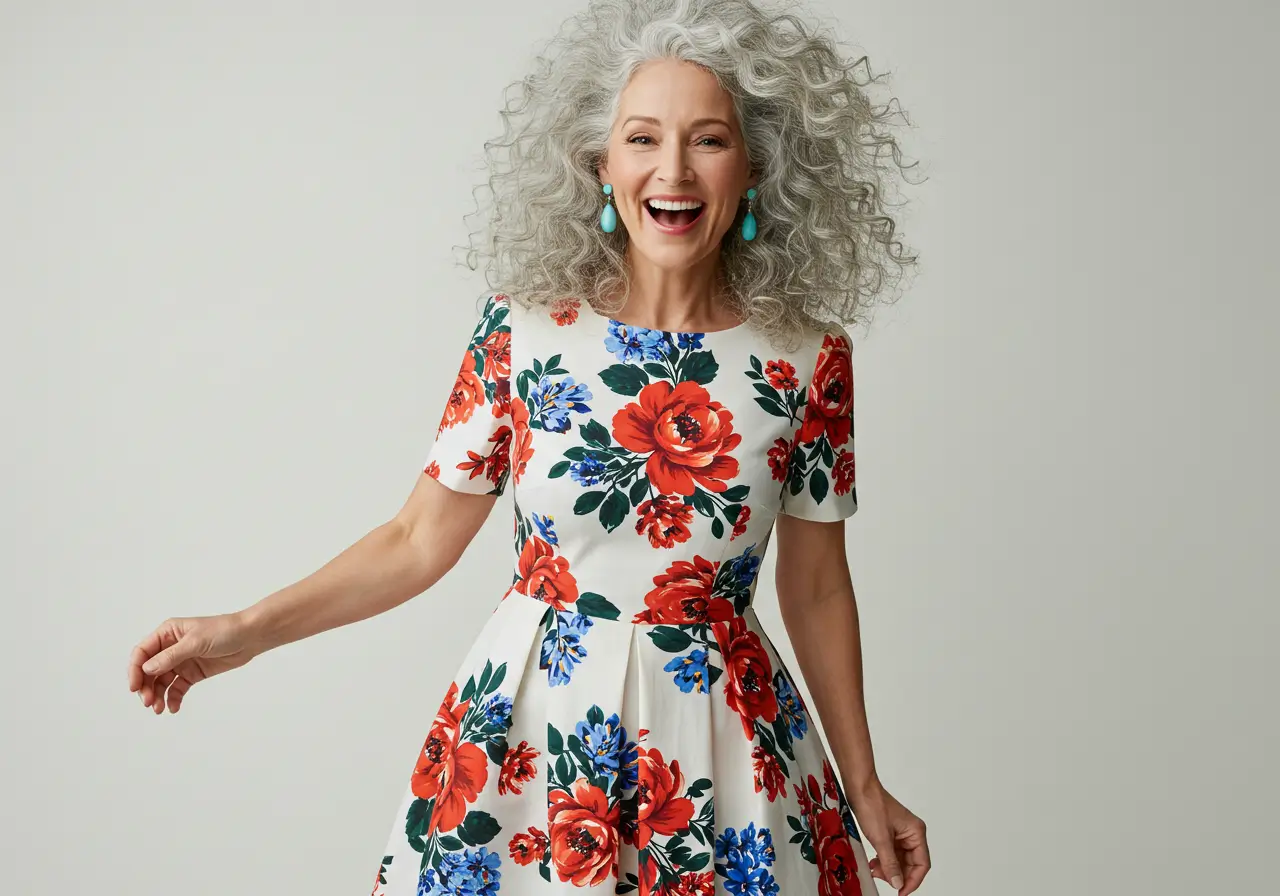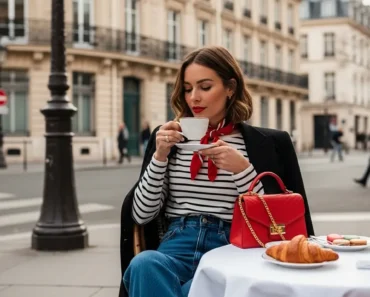
The end of the year offers a powerful opportunity to edit, elevate, and realign personal style. Before you dive into a year-end style refresh, take a moment to consider what your closet is telling you. A thoughtful closet audit motivation starts with a simple question: why weren’t certain pieces worn? If an item didn’t see daylight, it likely failed on fit or fabrication. A piece that does not feel good on the body simply will not get worn, no matter how trendy it looked on the rack. This personal style realignment isn’t about strict rules; it’s about keeping only what earns its place.

1. Start with a Strategic Closet Audit
If that sounds like a big task, take a breath. Breaking it into small, clear steps turns a potential headache into a manageable weekend project. Begin by pulling everything out and sorting pieces by category: tops together, bottoms together, dresses in their own pile. Seeing your full collection laid out makes it much easier to spot duplicates, forgotten favorites, and items that no longer fit your life.
Now for the part that makes this end of year fashion reset truly count: evaluate each piece with a few simple questions. Check the fit and the feel of the fabric. Does the garment still flatter your shape? Does the material feel pleasant against your skin? If the answer to either is no, that piece is unlikely to earn wear time in the coming months. Next, consider how often you actually reached for it over the past year. If something has hung untouched for several seasons, ask yourself why. Maybe the colour does not suit you, or the cut makes you feel awkward. Answering those questions honestly is the heart of a solid clothing evaluation criteria system. This closet audit process clears mental and physical space, leaving you with a wardrobe that truly works for the season ahead.
2. Retire Trends That Have Expired, Keep Those That Have Matured
Once your closet is trimmed down, it is time to look at what remains with fresh eyes. Not every trend needs to be tossed; some have matured into classics. This is where end of year fashion decisions get interesting. Think of your wardrobe as a garden: some plants bloom for a single season and then fade, while others put down roots and grow stronger year after year. The trick is telling the difference.
Start by identifying trends to retire 2024. Ultra-fast fashion pieces — those flimsy, trend-of-the-week items that felt exciting for a month — have likely lost their shape or appeal. Let them go without guilt. On the other hand, hold onto what has proven its staying power. Well-cut tailoring, elevated knits, sleek boots, and intentional accessories transcend trend cycles. These are your timeless fashion pieces, the wardrobe classics that make getting dressed effortless. A sharp blazer or a pair of quality leather boots will serve you for years, regardless of what is trending. As you sort through your clothes, ask yourself: does this piece feel like a passing fad or a future staple? Your answer will guide you toward a more grounded, confident style for the new year.
3. Choose a Cohesive Color Palette for Effortless Styling
Once you have identified your most-worn staples, the next step in your end of year fashion refresh is to look at color. Editing your wardrobe into a tighter color palette makes styling easier and more elevated. Instead of staring at a jumble of mismatched hues each morning, you will find that pieces naturally work together. Start by selecting three to five core colors that complement your personal style and skin tone. Neutral bases, such as soft beige, charcoal, or navy, offer a reliable foundation. Then, add a few accent colors — perhaps a muted rust, a sage green, or a dusty rose — to bring life to your capsule wardrobe color palette.
How many colors should you choose? Aim for a manageable number that allows for variety without creating chaos. A tight wardrobe color scheme of around four or five shades ensures every top pairs with every bottom. Selecting colors based on personal style means considering what makes you feel confident. If you love earthy tones, lean into olive, camel, and cream. If you prefer a crisp, clean look, stick with whites, blacks, and one signature pop of color. This approach makes your personal style colors work harder for you, turning your closet into a cohesive, low-maintenance toolkit for the months ahead.
4. Invest in One Anchor Piece That Elevates Your Entire Wardrobe
Now that you’ve streamlined your color palette, the next step is to add a single powerhouse item that ties everything together. An anchor piece wardrobe hero is a high-quality, versatile staple—like a timeless handbag or a pair of well-made boots—that works with multiple outfits across different occasions. Instead of chasing fast trends, you focus on one investment fashion piece that elevates everything you own. The magic lies in its ability to make even simple jeans and a sweater feel intentional and polished.
When choosing your anchor, think long-term. Evaluate quality vs cost clothing by checking materials, stitching, and how the piece feels in your hands. A bag with solid hardware and genuine leather or boots with a sturdy sole will outlast cheaper versions by years. Versatility matters more than trendiness: a classic silhouette that transitions from work to weekend outperforms any statement item. For a budget-friendly approach, look for gently pre-owned options or save up for one piece that will anchor your end of year fashion choices and carry into the new season with ease.
5. Create a Personal Uniform to Eliminate Decision Fatigue
After you’ve curated a few high-quality, versatile pieces for your end of year fashion, the next smart step is to simplify your daily choices. Developing a personal uniform built around three outfit formulas eliminates decision fatigue and ensures you always look pulled together without the morning scramble. Start by thinking about the main categories your life demands — likely work, casual days, and evenings out. For each, define one go-to formula that relies on the timeless pieces you already own. Your work formula might be a classic blazer over a simple top with tailored trousers. Your casual uniform could be your favorite jeans, a soft sweater, and low-maintenance sneakers. For evenings, think a silk or neutral top paired with a structured bottom and simple accessories. These personal uniform ideas save you mental energy and make getting dressed feel effortless. The key is to keep each formula flexible, swapping in one item without breaking the whole look. Once you lock in these three outfit formulas, your decision fatigue wardrobe becomes a thing of the past — leaving you free to focus on fresh goals for the new year.
If you want to go deeper, it is also worth a look at Coat Styles for Petite Women: L.L. Bean, Obermeyer, & More.
6. Handle Sentimental Items with Care and Purpose
You have streamlined your formulas and cleared the everyday clutter, but what about the pieces that come with a story? If a garment is waiting for the right occasion, season, or version of you, it is holding space unnecessarily. That old bridesmaid dress or the jacket from a memorable trip deserves more than to sit in the dark. This is where your end of year fashion edit becomes more than a closet clean-out — it becomes a mindful practice. Emotional attachment to clothes is real, but you can honor the memory without keeping the item.
Try the 30-day rule for anything you feel uncertain about. Store it out of sight in a box or under the bed. If you do not miss it after a month, the piece can be removed or donated. For truly sentimental pieces, consider alternatives to discarding: a favorite scarf can become a decorative throw, or a worn-in denim jacket can be framed as wall art. This approach to sentimental clothing storage lets you keep the meaning without the bulk. When wardrobe letting go feels hard, remember that clearing space now makes room for pieces that fit the person you are becoming in the new year.
7. Transition Your Wardrobe from December into Early Spring
Make your current wardrobe work from December into early spring with strategic layering. This end of year fashion approach means you don’t need a complete closet overhaul when the calendar flips. Well-cut tailoring, elevated knits, sleek boots, and intentional accessories transcend trend cycles, so these pieces earn their keep for months. A structured blazer over a lightweight sweater, for example, carries you from chilly mornings to milder afternoons. Swap heavy winter coats for a versatile trench or wool jacket when temperatures begin to lift. Your winter to spring transition wardrobe thrives on pieces that adapt rather than dominate.
Accessories like scarves and belts can refresh outfits across seasons, giving new life to basics you already own. Editing accessories like a stylist means aiming for a tight edit of pieces you actually reach for — a leather belt, a silk scarf, or a simple chain necklace. For seasonal wardrobe layering, focus on transitional fashion pieces such as cotton turtlenecks under slip dresses or ankle boots with cropped trousers. The goal is flexibility: a cashmere cardigan works as a top layer now and a mid-layer later. By building around what you love and use, your wardrobe stays practical, cozy, and ready for whatever the weather brings next.
Frequently Asked Questions
How do I start a year-end closet audit if I feel overwhelmed?
Begin by pulling everything out and sorting into three piles: keep, donate, and maybe. Focus on one category at a time, like tops or shoes, to keep the task manageable. A practical end of year fashion reset works best when you set a timer for 20 minutes and stop when it rings—you can always come back later.
What is an ‘anchor piece’ and how do I choose one that fits my lifestyle?
An anchor piece is a versatile, timeless item you build outfits around—like a tailored blazer or a cozy wool coat. To choose one, look at your weekly routine: if you work from home, opt for a structured cardigan; if you commute, a neutral trench serves better. The key is picking something you feel confident in and can wear at least three different ways.
What should I do with clothes I’m emotionally attached to but never wear?
Take a photo of the item to preserve the memory, then let it go with gratitude. If it’s still in good condition, pass it to a friend or donate it so someone else can enjoy it. Keeping unworn sentimental pieces only clutters your closet and makes your end of year fashion refresh harder than it needs to be.