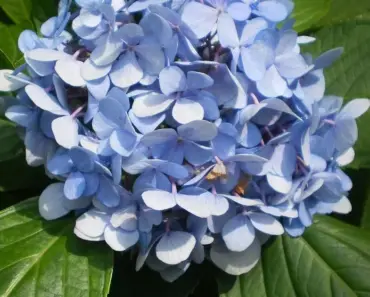
Standing in the garden with a pair of pruners in hand, it is easy to feel unsure about where to make the first cut. One wrong snip and a shrub might fail to bloom for an entire season. Whether you are tidying up a single boxwood or reshaping a row of hydrangeas, these seven steps will give you the confidence to prune like a seasoned gardener.
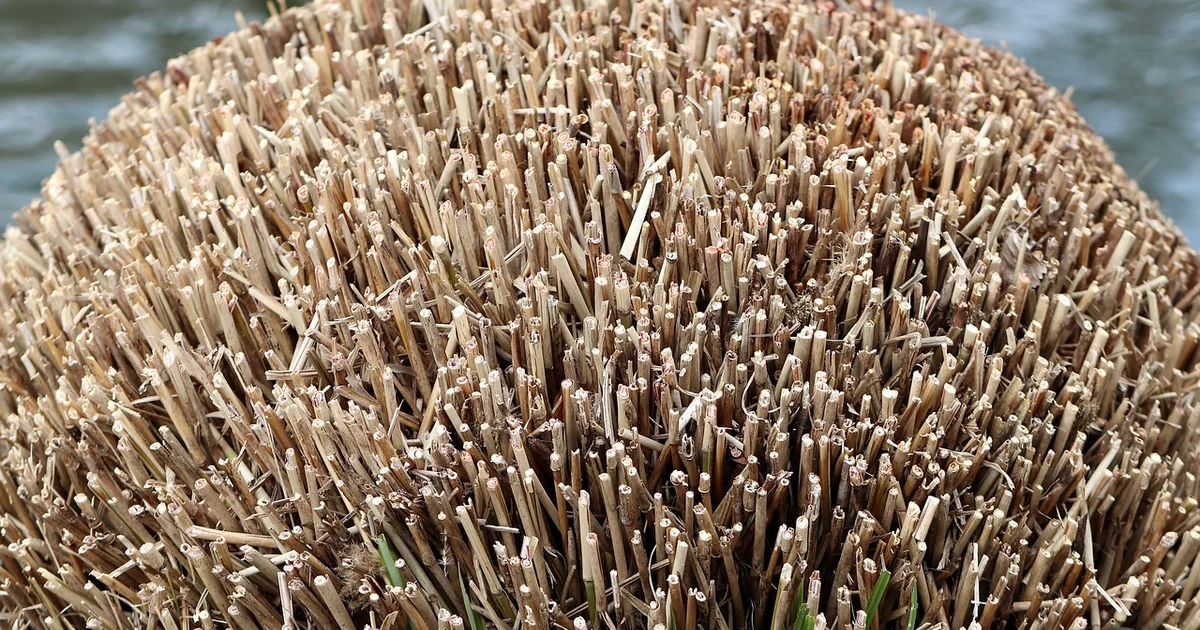
The Seven Essential Steps for Healthy Shrubs
Step 1: Identify Whether Your Shrub Blooms on Old or New Wood
This single piece of knowledge prevents the most common pruning mistake. Shrubs that form flower buds on last year’s growth — known as old wood — must be pruned immediately after they finish blooming. Cutting them in winter or early spring removes those buds and eliminates the season’s flowers. Bigleaf, mountain, oakleaf, and climbing hydrangeas all fall into this category, as do lilacs, forsythia, and many spring-flowering viburnums.
Shrubs that bloom on new wood produce flowers on the growth that emerges in the current season. Panicle hydrangeas, smooth hydrangeas, butterfly bushes, and shrub roses respond best to pruning during late winter or early spring while they are still dormant. A reliable way to tell the difference is to watch when the shrub flowers. If it blooms before mid-June in most climates, it is likely an old-wood bloomer. If it waits until midsummer or later, it probably blooms on new wood. Every shrub pruning guide should begin with this distinction because everything else depends on getting the timing right.
Step 2: Choose the Right Pruning Tools and Keep Them Sharp
Using dull or dirty tools damages plant tissue and invites disease. Hand pruners work well for stems up to about half an inch in diameter. Bypass pruners, which cut with a scissor action, are preferable because they make clean slices that heal quickly. Loppers handle branches up to an inch and a half thick, and a pruning saw is necessary for anything larger. Hedge trimmers are useful for shaping formal hedges, such as boxwood rows, but they should not be used for detailed selective pruning.
Sterilize your tools before every pruning session by wiping the blades with rubbing alcohol or a solution of one part bleach to nine parts water. This is especially important when moving between different shrubs, because it prevents the spread of fungal spores and bacteria. Sharpen the blades at the start of the season — a sharp edge requires less force and produces a smoother cut. Always cut at a 45° angle, about a quarter of an inch above an outward-facing bud or lateral branch. The angled cut allows water to run off, reducing the risk of rot.
Step 3: Start Every Pruning Session by Removing the Three D’s
Before you worry about shape or size, scan the shrub for wood that is diseased, damaged, or dying. These three categories form the highest priority because they compromise the plant’s health. Diseased branches may show discolored bark, cankers, or unusual growths. Damaged limbs include those that are broken, split, or rubbed raw by wind or other branches. Dying wood often lacks leaves in the growing season and has brittle, cracked bark.
Remove these branches at their point of origin or back to a healthy lateral junction. Do not leave stubs, because stubs invite pests and decay. For boxwoods, which are dense evergreens, it can be tricky to spot dead interior branches. Reach inside the shrub and feel for brittle twigs that snap instead of bending. Removing the three D’s improves air circulation immediately and redirects the plant’s energy toward healthy growth.
Step 4: Thin the Interior for Better Airflow and Light
Dense shrubs, especially hydrangeas and boxwoods, often suffer from poor air movement at the center. This creates a humid microclimate where powdery mildew and other fungal diseases thrive. Thinning involves removing select branches from the interior to open up space without changing the overall shape of the shrub.
For hydrangeas, take out about one-third of the oldest stems at ground level each year. This encourages fresh, vigorous canes that produce larger flowers. Use hand pruners to snip weak, spindly growth that blocks light from reaching the core. For boxwoods, thin by reaching into the shrub and cutting out a few of the interior branches at different heights. This does not alter the exterior silhouette, but it lets sunlight penetrate and air move freely. As a rule, when following a shrub pruning guide, aim for a structure that looks like a bird’s nest from the inside — open at the center with an even network of healthy stems.
Step 5: Prune at the Correct Time of Year for Each Shrub Type
Timing is not a single date on the calendar; it depends on the shrub’s growth habit and your regional climate. For old-wood bloomers such as weigela and early-flowering spirea, prune within two to three weeks after the flowers fade. Waiting longer means you might accidentally remove next year’s buds. Weigela, which often reblooms in summer on new wood, benefits from removing about one-quarter of the oldest canes in late winter or early spring, then deadheading after the first flush.
For new-wood bloomers such as shrub roses and panicle hydrangeas, the ideal window is late winter while the plant is still dormant, just before new growth begins. In colder zones, this might be March; in warmer areas, February. Shrub roses should be cut back by about one-third of their total height. Make cuts at a 45° angle a quarter of an inch above an outward-facing bud. Remove any canes that are thinner than a pencil and any suckers emerging from below the graft union. Boxwoods, which are evergreen, can be pruned in late winter for general shaping and again in late spring if you want to shear them into a tighter form.
A common mistake is pruning too late in the fall. Pruning stimulates new growth, which may not harden off before frost arrives. Always schedule major pruning when the shrub can recover quickly — either early spring or immediately after flowering.
You may also enjoy reading: 7 Ways to Keep Deer From Eating Hostas.
Step 6: Shape and Reduce Size Without Overdoing It
Shaping is where many gardeners get carried away. Cutting a shrub into a tight ball or square every season encourages dense outer foliage at the expense of interior health. For formal hedges, shear boxwoods in late spring after the first flush of growth. Thin the outer edges at the same time to let light reach the interior. A critical rule: never remove more than three-quarters of the outer foliage on any given branch, because the shrub needs some leaves to photosynthesize. Removing too much can cause dieback, leaving bare patches that take years to fill.
For natural-looking shrubs, follow the one-third rule: never cut away more than one-third of the total growth in a single year. If a shrub has become overgrown, spread the reduction over two or three seasons. Each spring, remove the oldest, thickest canes at ground level, and shorten the remaining stems by about one-quarter of their length. This gradual approach preserves the plant’s energy reserves and prevents shock. Weigela responds especially well to this method, producing vigorous new canes that bloom profusely the following year.
When you do make shaping cuts, always cut back to a bud or lateral branch that faces the direction you want the shrub to grow. Cutting to an outward-facing bud encourages a more open, spreading habit. Cutting to an inward-facing bud results in a denser, more upright shape. Match your approach to the look you want to achieve.
Step 7: Clean Up and Support Recovery After Pruning
Pruning is stressful for a shrub, even when done correctly. Help it recover by cleaning up all cut debris from around the base. Diseased branches should be disposed of in the trash, not the compost pile, to avoid spreading pathogens. Rake away fallen leaves and twigs that might harbor insects or fungal spores over the winter.
Water the shrub deeply after pruning, especially if the weather has been dry. A layer of organic mulch, about two to three inches deep, helps retain moisture and moderates soil temperature. Keep the mulch a few inches away from the trunk or main stems to prevent rot. If the shrub was pruned heavily, wait until you see new growth before applying a balanced, slow-release fertilizer. Too much nitrogen right after pruning can produce a flush of weak, leafy growth that attracts pests. Instead, focus on providing consistent moisture and sunlight.
Monitor the shrub over the next few weeks for signs of stress, such as wilting or leaf yellowing. Most shrubs bounce back within a month if the pruning was appropriate. Deadheading spent flowers during the growing season also redirects energy into root and stem development rather than seed production.
Following this shrub pruning guide step by step transforms what feels like a guessing game into a reliable routine. Each cut becomes intentional, and each shrub responds with stronger growth and more abundant blooms. Over time, you will learn to read the signals your plants send — a dense interior that needs thinning, a wayward branch that invites shaping, or a faded flower cluster ready for removal. With these seven steps in hand, your garden will reward you season after season.