Transforming Your Yard with Striking Accent Plants: A Landscape Designer’s Secrets
Adding striking centerpiece plants can transform a backyard from drab to fab. These aren’t just pretty additions; they command attention, deliver drama, and offer enduring appeal.
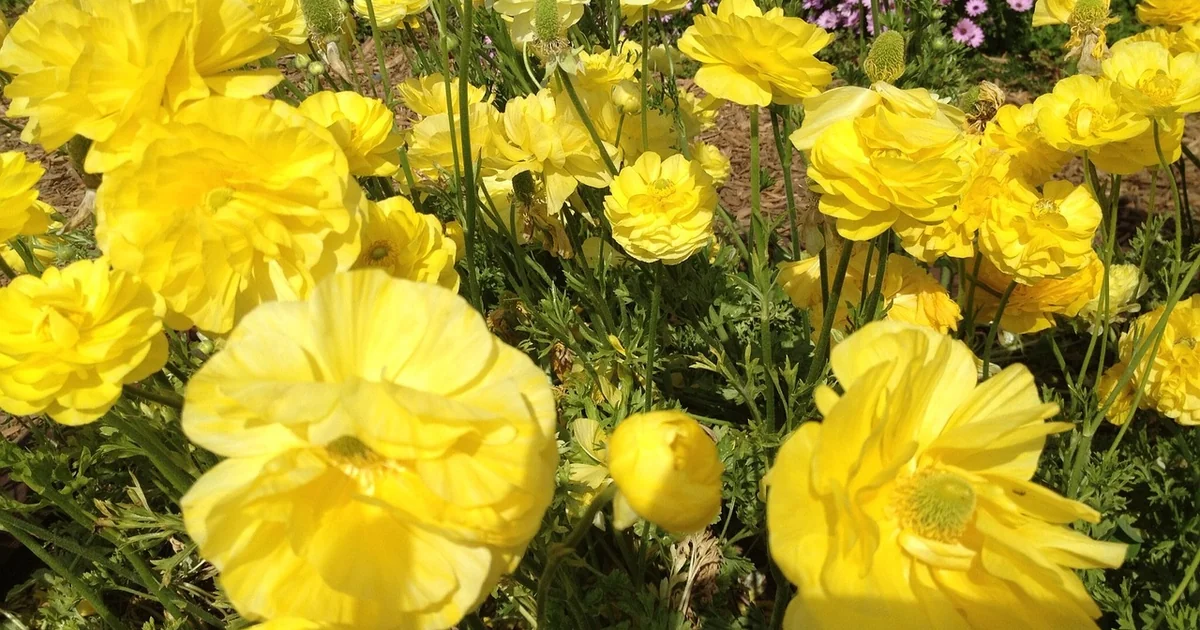
Landscape designers prioritize accent plants for their charisma, dramatic foliage, and long-lasting appeal. They often choose low-maintenance varieties to suit the needs of their clients, who may not be avid gardeners. Furthermore, the industry is constantly evolving with new cultivars offering heightened flower power, disease resistance, and unique appearances, pushing the boundaries of garden design. A truly effective accent plant is more than just a pretty face; it’s a strategic element that adds depth, texture, and visual interest to any landscape. Let’s explore some of the most favored choices and discover how to bring their beauty to your own outdoor space.
1. New Cascading Hydrangea (Hydrangea Fairytrail Bride)
Zones: 5–9 Flowers: From late May throughout summer Growth: Up to 4′ high and wide Maintenance: Low – very low!
This isn’t your typical hydrangea. The New Cascading Hydrangea, officially known as Hydrangea Fairytrail Bride, is a truly unique cultivar that has quickly gained recognition among landscape designers. It earned the prestigious ‘Plant of the Year’ award at the RHS Chelsea Flower Show in 2018, a testament to its exceptional beauty and resilience. Unlike traditional hydrangeas that only bloom at the tips of their stems, this variety boasts cascading flowers along its entire stem—a truly spectacular sight! It naturally forms a pleasing mound and its long, flowing stems create a sense of movement and drama within the garden. As the name suggests, it ‘cascades’ rather than ‘trails’, emphasizing the continuous flow of blooms. The plant’s distinctive lacecap flowers are a delicate white, adding a touch of elegance to any landscape. Landscape designers consistently recommend this hydrangea for its versatility and stunning display. It’s a relatively new addition to the market, with a unique growth habit and a long blooming season. The landscape industry is always looking for plants that are both beautiful and easy to care for, and the Cascading Hydrangea fits the bill perfectly. The fact that it doesn’t require pruning is a huge bonus for busy homeowners. For a truly striking display, consider growing it in a large container, such as a corten steel cube, to showcase its cascading stems and ice-white flowers. You may also see this plant listed as Hydrangea ‘Runaway Bride’ as it was launched in Europe under this name, though it’s branded as ‘Fairytrail Bride’ in North America. Its availability through Amazon makes it easily accessible to gardeners across the country.
2. Lavender-Blue Rose of Sharon (Rose of Sharon Aruzzi Blue Satin)
Zones: 5–9 Sunlight: Full sun Flowers: Early summer to late fall Growth: 8–12′ high and 4–6′ wide Deer Resistance: Yes!
The Lavender-Blue Rose of Sharon, also known as Hibiscus syriacus ‘DVPazurri’, is a standout choice for landscape designers seeking a vibrant and long-lasting accent plant. This cultivar offers a rare lavender-blue hue that’s difficult to find in other hibiscus varieties. The blooms, which measure 3–4 inches in diameter, appear from early summer through late fall, providing months of color and interest. Not only are the flowers visually stunning, but they’re also a favorite of hummingbirds, attracting these beneficial pollinators to your garden. Rose of Sharon plants are known for their vigorous growth, reaching heights of 8–12 feet, but can be easily managed to maintain a more compact size. A key advantage of this variety is its deer resistance – a significant benefit for homeowners in areas with deer populations. Landscape designers appreciate its versatility and the fact that it thrives in full sun, requiring minimal care. The sterile nature of the cultivar also means it won’t produce seeds, eliminating the need for weeding and maintaining a tidy appearance. Its dramatic, almost painterly, splashes of magenta add a touch of artistic flair to any landscape. The plant’s height makes it ideal for creating a focal point in a backyard setting.
3. Snowy-Leaved Hosta (‘White Feather’)
Zones: 3–8 Sunlight: Partial shade Growth: 18-24 inches tall and wide Special Feature: Stunning white foliage
Looking for a textural element to add to your landscape? The Snowy-Leaved Hosta, scientifically known as Hosta ‘White Feather’, is a captivating choice. Its most striking feature is its incredibly soft, creamy white foliage, which provides a beautiful contrast to darker foliage and adds a touch of elegance to any shade garden. Unlike many hostas, ‘White Feather’ boasts a compact growth habit, reaching approximately 18-24 inches in height and width, making it well-suited for containers and smaller gardens. Its lush, ruffled leaves create a sense of movement and texture, adding visual interest even in the quieter corners of the landscape. Landscape designers often use this hosta to create focal points in shaded areas, showcasing its unique foliage. The plant thrives in partial shade, requiring protection from the intense afternoon sun. Its disease resistance is another major advantage, minimizing the need for chemical treatments. Container gardening is particularly recommended for this hosta, allowing you to highlight its stunning white foliage and control its size. The plant’s form is exceptionally refined – a perfect statement for a formal or contemporary garden. The subtle variegation in the leaves adds to its overall appeal, creating a sense of depth and complexity. This is a fantastic plant for those with a love of texture.
4. Coral Bells (Heuchera) – ‘Palace Purple’
Zones: 4–9 Sunlight: Partial shade Growth: 6-12 inches tall and wide Special Feature: Wide range of foliage colors
Coral Bells, or Heuchera, are a landscape designer’s go-to for adding pops of color and texture to shady areas. ‘Palace Purple’ is a particularly popular cultivar, renowned for its deep, velvety purple foliage. However, Heuchera comes in a dizzying array of colors – from chartreuse and lime green to bronze and crimson – offering endless possibilities for creating a visually stunning landscape. Their low-growing habit and attractive foliage make them ideal for edging beds, spilling over containers, and adding a touch of sophistication to any garden. Landscape designers appreciate their versatility and ability to thrive in shade, where many other plants struggle. They are relatively low-maintenance and add a unique element to any garden. You can even combine different Heuchera varieties with contrasting foliage colors to create a truly dynamic display. The plants are typically evergreen in warmer climates, providing year-round interest. Their tolerance of dry shade is another advantage, making them a good choice for homeowners in drier regions. A grouping of ‘Palace Purple’ Heuchera creates a dramatic, almost gothic, effect – perfect for a contemporary garden design.
5. Japanese Painted Fern (Athyrium niponicum ‘Pictum’)
Zones: 3–8 Sunlight: Partial shade Growth: 18-24 inches tall and wide Special Feature: Silver-gray foliage with burgundy accents
The Japanese Painted Fern, Athyrium niponicum ‘Pictum’, is a textural masterpiece that landscape designers consistently incorporate into woodland and shade gardens. Its distinctive foliage displays a beautiful blend of silver-gray and burgundy hues, creating a truly captivating visual effect. The delicate fronds add a touch of elegance and sophistication to any landscape. This fern thrives in partial shade and prefers moist, well-drained soil. It’s a relatively low-maintenance plant and adds significant visual interest to woodland gardens. Landscape designers often use it as a groundcover or to soften the edges of planting beds. The fern’s unique foliage creates a sense of depth and texture, adding a natural element to any garden design. It’s a fantastic choice for creating a serene and tranquil atmosphere. The plant’s ability to tolerate dry shade makes it a good choice for homeowners in drier regions. It’s a truly stunning plant for those who appreciate the beauty of ferns.
6. Bleeding Heart (Dicentra spectabilis)
Zones: 3–9 Sunlight: Partial shade Flowers: Spring Growth: 2-3 feet tall and wide Special Feature: Heart-shaped pink flowers
The Bleeding Heart, Dicentra spectabilis, is a classic shade garden staple that landscape designers frequently use to add a touch of romantic charm. Its distinctive heart-shaped pink flowers, which dangle from arching stems, are a true showstopper. The flowers bloom in spring, providing a welcome splash of color to the garden. Landscape designers appreciate its delicate beauty and ability to thrive in shade. The plant’s foliage is also attractive, consisting of deeply lobed leaves that provide a lovely backdrop for the flowers. It’s relatively low-maintenance and easy to care for. However, it’s worth noting that Bleeding Hearts are somewhat ephemeral, meaning they tend to go dormant in summer, but they reliably return in spring. They prefer moist, well-drained soil and protection from the hot afternoon sun. Consider combining Bleeding Hearts with other shade-loving plants to create a diverse and visually appealing garden.
7. Hydrangea macrophylla – ‘Endless Summer’
Zones: 6–9 Sunlight: Partial shade Flowers: Summer and fall Growth: 3-5 feet tall and wide Special Feature: Reblooming ability
The ‘Endless Summer’ Hydrangea is a popular choice among landscape designers due to its reblooming ability. Unlike many other hydrangeas that only bloom on old wood (growth from the previous year), ‘Endless Summer’ blooms on both old and new wood, providing a longer and more abundant display of flowers. These large, mophead blooms come in shades of pink, blue, and white, depending on the soil pH. Landscape designers appreciate its versatility and ability to thrive in a variety of conditions. They’re relatively easy to care for and add a touch of elegance to any landscape. The reblooming characteristic is a major selling point, as it ensures that the garden remains beautiful throughout the summer and fall. They prefer moist, well-drained soil and protection from the hot afternoon sun. Regular watering and fertilization will help to promote healthy growth and abundant blooms.
8. Juniper (Juniperus) – ‘Blue Star’
Zones: 3–8 Sunlight: Full sun to partial shade Growth: 1-3 feet tall and wide Special Feature: Blue-gray foliage
Juniper, particularly the cultivar ‘Blue Star’, is a landscape designer’s favorite for adding texture and visual interest to rock gardens, borders, and dry landscapes. Its dense, blue-gray foliage creates a stunning contrast against green foliage and adds a touch of sophistication to any garden. ‘Blue Star’ is a low-maintenance evergreen shrub that tolerates drought and poor soil conditions. Landscape designers often use it as a groundcover or to create a backdrop for other plants. The plant’s ability to withstand harsh conditions makes it a good choice for homeowners in drier regions. It’s relatively slow-growing, so it won’t require frequent pruning. ‘Blue Star’ junipers are also deer-resistant, making them a good choice for areas with deer populations. The plant’s compact form makes it suitable for container gardening as well.
You may also enjoy reading: Rhonda’s Pennsylvania Spring Garden: 7 Hidden Gems to Bring Your Outdoor Oasis to Life.
9. Coralwort (Asplenium scolopendrium)
Zones: 3–8 Sunlight: Partial shade to full shade Growth: 1-2 feet tall and wide Special Feature: Bold, glossy foliage
The Coralwort (Asplenium scolopendrium) is a fantastic choice for adding a touch of drama and texture to shade gardens. Its bold, glossy, dark green fronds create a striking focal point in shady areas. The plant’s unique appearance is reminiscent of a miniature fern, but it’s actually a member of the Aspleniaceae family. Landscape designers appreciate its versatility and ability to thrive in shaded conditions. Coralwort prefers moist, well-drained soil and protection from direct sunlight. It’s a relatively low-maintenance plant and adds a touch of elegance to any garden. The plant’s rhizomes spread slowly, forming a dense mat of foliage. It’s a great choice for creating a woodland garden or for adding a touch of sophistication to a container garden.
10. Ferns – Various Varieties (e.g., Ostrich Fern, Lady Fern)
Zones: Varies by species Sunlight: Partial shade to full shade Growth: Varies by species Special Feature: Diverse foliage textures and forms
Ferns are a staple of landscape design, particularly in shaded areas. Various species offer unique textures and forms, making them a versatile choice for landscape designers. Ostrich ferns (Matteuccia struthiopteris) are known for their large, dramatic fronds, while Lady ferns (Thelypteris novae-angliae) offer a more delicate, graceful appearance. Landscape designers appreciate the diverse foliage textures and forms that ferns provide. They thrive in moist, well-drained soil and partial shade. Regular watering is essential, especially during dry periods. Ferns add a touch of natural beauty to any garden and can create a sense of tranquility. Different fern species have different growth habits, so it’s important to choose varieties that are suitable for your specific garden conditions.
11. Bleeding Heart (Dicentra spectabilis) – ‘Gold Heart’
Zones: 3–9 Sunlight: Partial shade Flowers: Spring Growth: 2-3 feet tall and wide Special Feature: Gold-tinged foliage and heart-shaped flowers
A more vibrant variation on the classic Bleeding Heart, ‘Gold Heart’ offers a stunning visual impact. The foliage displays a beautiful gold-tinged hue, providing a striking contrast to the classic pink heart-shaped flowers. This cultivar is a favorite among landscape designers for its unique color combination and long-lasting bloom time. It’s relatively easy to care for and thrives in shade. The golden foliage adds a touch of warmth to the garden, especially during the cooler months. ‘Gold Heart’ Bleeding Hearts are also more resistant to slugs and snails than other varieties, making them a good choice for gardeners in areas with these pests. They prefer moist, well-drained soil and protection from the hot afternoon sun.
12. Ligularia – ‘All Spice’
Zones: 5–8 Sunlight: Partial shade Flowers: Summer Growth: 2-3 feet tall and wide Special Feature: Bold foliage and orange flowers
Ligularia ‘All Spice’ is a stunning accent plant, prized for its bold, dark green foliage and vibrant orange flowers. The foliage is large and textured, adding a dramatic element to any shade garden. The flowers bloom in summer, providing a splash of color that contrasts beautifully with the dark foliage. Landscape designers appreciate its unique appearance and ability to thrive in moist, shaded conditions. It’s a relatively low-maintenance plant and adds a touch of sophistication to any garden. Ligularia ‘All Spice’ prefers well-drained soil and protection from direct sunlight. It’s a great choice for creating a woodland garden or for adding a touch of drama to a container garden.
13. Hakonechloa macra ‘Aureola’ – Golden Reed Grass
Zones: 6-9 Sunlight: Partial shade to full shade Growth: 2-3 feet tall and 2-3 feet wide Special Feature: Golden-yellow foliage and graceful form
Hakonechloa macra ‘Aureola’, known as Golden Reed Grass, is a graceful and elegant accent plant that adds a touch of softness and texture to shade gardens. Its finely divided, golden-yellow foliage creates a stunning contrast against darker foliage and adds a sense of movement and light to the landscape. Landscape designers frequently use this plant as a groundcover or to soften the edges of planting beds. It’s relatively low-maintenance and thrives in moist, well-drained soil and partial shade. Hakonechloa ‘Aureola’ is also deer-resistant, making it a good choice for areas with deer populations. The plant’s airy form and delicate foliage create a sense of tranquility and serenity. It’s a fantastic choice for creating a woodland garden or for adding a touch of elegance to a container garden.
Incorporating these 13 accent plants into your landscape design will undoubtedly transform your backyard into a stunning and sophisticated outdoor space. Remember to consider your specific climate, soil conditions, and desired aesthetic when selecting plants for your garden. With a little planning and care, you can create a landscape that is both beautiful and rewarding.