What Is Succession Sowing?
There is a moment in nearly every flower garden, usually creeping in around mid-August, when you start feeling that the display has peaked. The zinnias may still be blooming, but they look tired. The cosmos have gone mostly to seed. The whole bed takes on a frayed, end-of-summer appearance weeks before the season actually ends. You do not have to accept this slump. A method borrowed from vegetable growing solves it neatly. Succession sowing flowers means planting the same variety in staggered rounds, typically two to three weeks apart, so you always have plants at different stages of development. By the time the first round fades, the second round is opening its first buds. The third round is already a few inches tall and waiting its turn. The result is a garden that stays full and colorful from late spring straight through until frost.
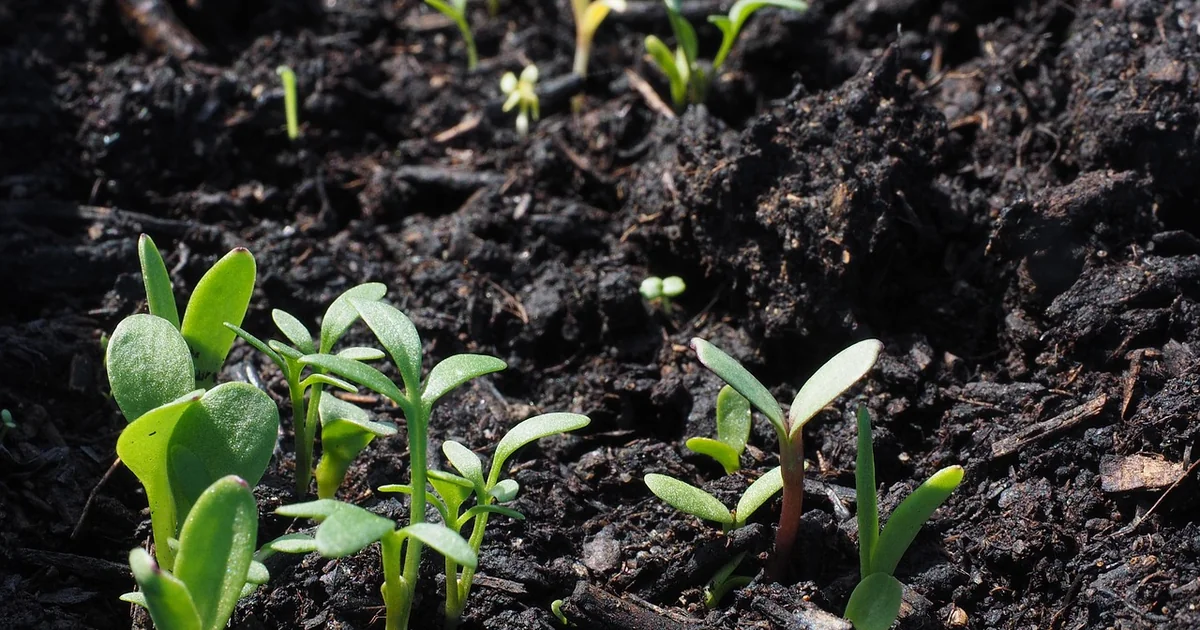
This approach works because most annual flowers produce their heaviest flush of blooms over a concentrated window and then slow down. Instead of relying on different species to pick up the slack at different times, you use the same species to keep a continuous line of fresh plants coming. It simplifies planning, reduces gaps, and gives you more flowers to cut for the vase. The strategy does require a little math and some discipline with the seed packet, but the payoff is a garden that looks deliberately managed rather than accidentally faded.
Tip 1: Calculate Everything Backward From Your First Frost
The single most important number in your succession sowing plan is your first fall frost date. That is the deadline. You want flowers still in production when that frost arrives, not plants that are already spent.
Open a browser and look up the average first frost date for your specific growing zone. The date varies dramatically. A gardener in zone 3 might see frost in early September, while someone in zone 8 may not see it until November. Write it down. This date becomes your anchor for every decision about when to stop sowing.
Now take the seed packet for the flower you want to grow. Find the days-to-bloom number printed on it. Count backward from your first frost date by that exact number of days. The result is the latest possible sowing date for that variety. Anything planted after that date will not bloom before frost kills the plant.
For most popular annuals, the last useful sowing date falls somewhere in mid to late July, but you must calculate it for your own zone. A zinnia that needs 60 days to bloom cannot be sown on August 1 if your first frost comes on September 20. It simply will not make it. Doing this calculation for each variety you grow keeps you from wasting seeds on sowings that cannot finish in time.
How to Use the Cutoff Date in Practice
Once you have your latest sowing date, work forward from there to build your full schedule. Your first sowing goes into the ground after the last spring frost has passed, typically in late spring. Then add rounds at regular intervals until you reach the cutoff. This forward-backward method gives you a schedule that is tailored to your climate rather than a generic calendar you found online.
Keep a simple notebook or a digital note on your phone with the dates written out. Mark the first sowing, then each subsequent sowing, and finally the last acceptable date. Having it written down removes the guesswork on a busy spring morning when you are trying to get seeds in the ground quickly.
Tip 2: Match Your Sowing Interval to the Flower Speed
Not every flower needs to be sown on the same schedule. Fast growers with a short productive life need more frequent rounds. Slower growers that bloom for a longer period need fewer rounds. Using the same interval for every flower wastes space and creates unnecessary crowding.
Two-Week Intervals for Fast Annuals
Zinnias, cosmos, and sunflowers fall into the fast category. They germinate quickly, reach bloom stage in about 60 to 70 days, and produce their heaviest flush over a period of roughly six to eight weeks. After that, the quality of the flowers declines. Stems get shorter, blooms get smaller, and the plant starts to look ragged. Sowing a new round every two weeks ensures that a fresh batch is always just about to open when the previous batch starts to fade. In a long growing season, you can manage five or six rounds of these flowers. That many rounds keep a cutting bed producing at full volume from early summer through fall.
Three-Week Intervals for Longer-Blooming Types
Snapdragons, strawflowers, and gomphrena produce flowers over a longer period from a single sowing. They do not exhaust themselves as quickly as zinnias do. A three-week interval between sowings works better for these plants. Sowing every two weeks would give you more plants than you need and crowd the bed unnecessarily. Three rounds spaced three weeks apart are usually enough to keep blooms coming through the season without overwhelming your garden space.
Monthly Intervals for Slow-Maturing Flowers
Some annuals take longer to reach bloom stage and then produce for an extended period. Amaranth and certain types of celosia fall into this category. These can be sown at monthly intervals. Three sowings a month apart through the spring provide a steady supply of plants that will bloom from mid-summer onward. The slower pace prevents the bed from becoming overcrowded while still giving you the staggered effect you want.
Tip 3: Select Flowers That Bloom Within 60 to 80 Days
Not every annual is a good candidate for succession sowing. The best flowers share two characteristics. They bloom within 60 to 80 days of sowing, and they produce heavily over a short window rather than trickling out blooms over several months. Flowers that take longer than 80 days are difficult to fit into multiple rounds, especially in regions with short growing seasons.
Zinnias are the classic starting point for this reason. They bloom in about 60 days, produce large flowers in a wide color range, and respond to cutting by branching into more stems. The more you cut, the more flowers you get. A single sowing of Benary Giant Blend can produce hundreds of stems over several weeks, but the quality drops after about six weeks of heavy harvest. That is why a second sowing two weeks after the first keeps the bed productive without a gap.
Cosmos work on a similar rhythm. They are even easier to grow. Cosmos tolerate poorer soil and dry conditions better than many flowers do, so they are forgiving for a first attempt at succession sowing. Their airy, wildflower-style blooms add a loose, natural look to any bed.
Single-stem sunflowers are another excellent choice because they produce exactly one flower per plant over a period of about ten days. Once that flower is cut, the plant is done. Successive sowings every ten to fourteen days are essential to keep a continuous supply of sunflower stems. Without them, you get one big flush and then nothing.
Other Reliable Candidates
Gomphrena, celosia, amaranth, scabiosa, and nigella all work well in a succession system. Each has its own growth rate and productive window, but all fall within the 60-to-80-day range that makes them practical for multiple sowings. Experiment with two or three varieties in your first season to see which ones perform best in your soil and climate. Keeping notes on bloom dates and quality helps you refine the list over time.
Tip 4: Coordinate Cool-Season Annuals With a Spring and Late-Summer Sowing
Snapdragons, stocks, and larkspur prefer cooler weather. They do not thrive in the heat of midsummer the way zinnias and cosmos do. However, they still benefit from a succession approach. The strategy shifts slightly. Instead of sowing every two weeks through the summer, you give them two dedicated planting windows.
You may also enjoy reading: 7 Proven Tips to Get Rid of Brown Spots on Leaves.
The first sowing goes in early spring, as soon as the soil can be worked. These plants bloom in late spring and early summer, before the heat arrives. The second sowing goes in late summer, typically in August, for a fall bloom that continues until frost. This two-sowing rhythm works well for cool-season annuals because they do not need the constant replacement that fast summer flowers require.
Pay attention to the days-to-bloom figures for these varieties. Some snapdragons need 80 to 100 days to bloom from seed. That means the late-summer sowing must go in early enough to bloom before the first frost. Count backward from your frost date just as you would for any other flower. For many zones, the late-summer sowing of cool-season annuals needs to happen in late July or early August to guarantee a fall display.
Tip 5: Harvest Heavily and Keep the Plants Working
Succession sowing works best when you pair it with consistent harvesting. Cutting flowers forces the plant to produce more branches and more buds. A zinnia that is never cut will bloom, set seed, and slow down. A zinnia that is cut every few days will keep branching and blooming for weeks longer than its unharvested neighbor. The same is true for cosmos, gomphrena, and most cut flowers.
This relationship between cutting and production is the main reason succession sowing succeeds. The first round of plants produces heavily while you harvest from it. When harvest quality declines, the second round is already coming into bloom and ready to take over. You never have to wait for new plants to reach maturity because you planned for the transition in advance.
Develop a routine of walking through your garden every two or three days with clippers or snips. Cut stems that have fully opened flowers or flowers that are just about to open. Remove spent blooms as you see them. This regular attention keeps the plants in active growth mode and gives you continuous material for arrangements.
What to Do With Extra Flowers
When you have more flowers than you can use, share them with neighbors, bring them to work, or arrange small bouquets for friends and family. A cutting garden that uses succession sowing can easily produce fifty or more stems per week at peak season. Having a plan for the abundance makes the garden feel productive rather than overwhelming.
You can also dry many of these flowers for winter arrangements. Gomphrena, strawflowers, and celosia hold their color well when dried. Harvest them at their peak, strip the leaves, and hang them upside down in a dry, dark place for two to three weeks. Dried flowers extend the satisfaction of your garden into the colder months when nothing is blooming outdoors.
Putting the Five Tips Together in a Season Plan
Here is how the tips work as a single system. In early spring, you look up your first frost date and calculate the latest sowing date for each variety you plan to grow. You create a calendar with sowing dates spaced at two, three, or four weeks depending on the flower type. You prepare your beds in advance so that each sowing goes into fresh, well-amended soil without delay.
Your first sowing of zinnias and cosmos goes in after the last frost. Two weeks later, you sow a second round of the same varieties. Two weeks after that, a third round. You continue until you hit the cutoff date you calculated. At the same time, you sow snapdragons and stocks in early spring and again in late summer. You harvest regularly, keeping the plants productive and preventing any round from going to seed too early.
The result is a flower garden that does not have a midsummer slump. August arrives, and instead of faded zinnias and dried-up cosmos, you have fresh plants coming into their prime. The second or third round of sowings is just hitting peak bloom. The first round may be winding down, but the bed overall looks full, colorful, and intentional. That is the real benefit of succession sowing flowers. It gives you control over the timeline of your garden rather than leaving you at the mercy of a single planting and a single flush of blooms.
Start with one or two flower types in your first season. Zinnias are the most forgiving and provide the most dramatic improvement. Add cosmos or sunflowers in the second season. By the third season, you will have a system that feels natural, and the August garden will no longer be a disappointment. It will be your most productive month.