Warm weather invites us outside for meals, conversations, and lazy afternoons. Yet that familiar buzzing sound often arrives uninvited. Flies land on food, buzz near faces, and carry bacteria from one surface to another. Many people reach for chemical sprays, but those come with strong odors and questionable ingredients. A better solution sits right in your garden or windowsill. Certain plants naturally discourage flies from hanging around. These fly repelling plants add beauty, fragrance, and sometimes flavor to your home while keeping pests at a distance.
Why Plants Work Against Flies
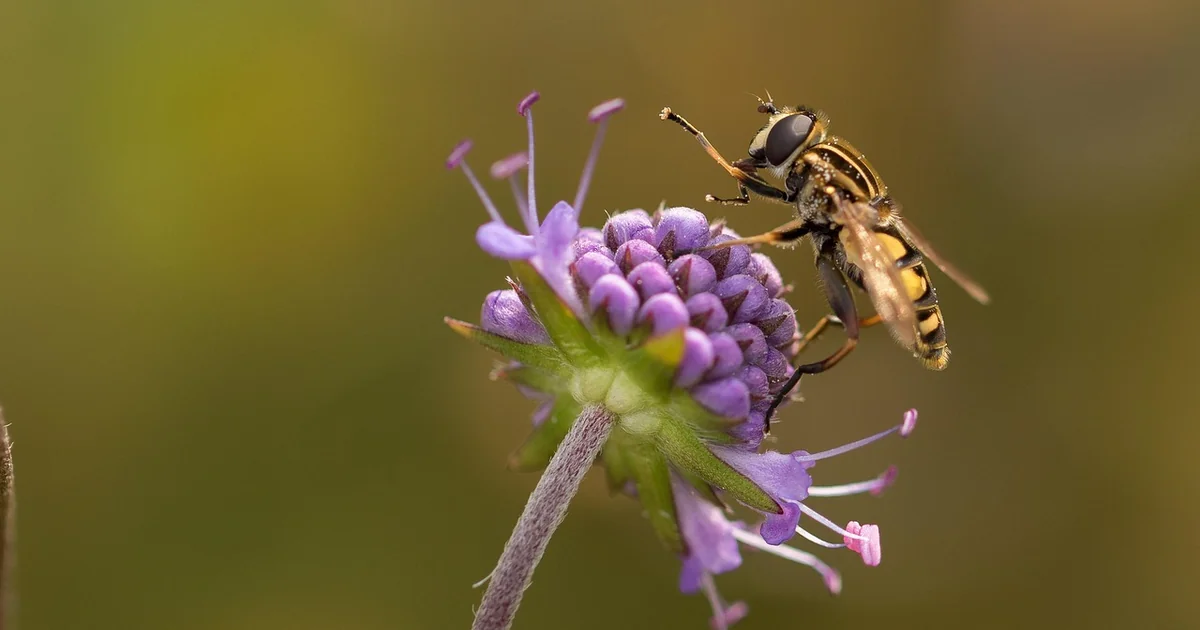
Flies navigate mostly by smell. Their antennae detect food sources from several feet away. Strong aromatic compounds confuse or overwhelm their sensory system. Many herbs and flowers produce essential oils that flies find unpleasant. These oils evaporate into the air, creating an invisible barrier. Unlike sticky traps or zappers, living plants release these compounds continuously throughout the day. A single pot on a patio table offers some protection. A cluster of several fly repelling plants around a seating area creates a much stronger effect.
Scientific research supports this approach. A 2018 study published in the Journal of Insect Science found that lavender essential oil repelled house flies with over 90% effectiveness in controlled tests. Similar studies on basil and mint show consistent results. The active compounds — linalool, citronellal, eugenol — occur naturally in many common garden plants. Growing them yourself gives you a renewable supply of these repellent chemicals without any manufacturing or packaging.
Petunias: Colorful Blooming Repellents
Petunias rank among the most popular annual flowers for good reason. They produce waves of bright blooms from spring until the first hard frost. Their secret weapon against flies lies in their physical structure. The stems and leaves carry fine hairs that release a sticky substance. This texture traps small insects and makes the plant unappealing for landing. The scent, subtle to humans, registers as offensive to flies.
How to Use Petunias for Fly Control
Place petunias in hanging baskets near doorways or above patio tables. The trailing varieties spill over the edges, creating a curtain of repellent foliage. Container planting works best because you can move pots wherever flies cause trouble. Use well-draining soil and water when the top inch feels dry. Petunias bloom continuously if you remove spent flowers regularly. This process, called deadheading, encourages new buds and maintains the plant’s repellent strength throughout the season.
One reader shared that she keeps three hanging baskets of white petunias around her back deck. She noticed fewer flies within a week of placing them. The flowers attract hummingbirds and butterflies too, so the area feels lively rather than chemical.
Basil: Kitchen Herb That Doubles as Pest Control
Basil does more than elevate a pasta dish. Its leaves contain high concentrations of volatile oils, particularly eugenol and estragole. These compounds give basil its distinctive aroma and drive flies away. The plant releases more of these oils when the leaves are brushed or crushed, which happens naturally when people walk past or wind blows through.
Window Boxes and Personal Protection
Plant basil in window boxes beneath open kitchen windows. The rising warm air carries the scent upward, creating a barrier that flies avoid before entering. For personal protection, pick a fresh leaf and rub it on exposed skin. The oils transfer to your skin and mask the carbon dioxide and sweat odors that attract flies. This trick works for mosquitoes too, making basil a dual-purpose repellent.
A vodka-based spray offers another option. Blend a handful of fresh basil leaves with one cup of vodka. Let the mixture sit for 24 hours, then strain out the solids. Pour the liquid into a spray bottle and mist around seating areas, tablecloths, or your own clothing. The alcohol evaporates quickly, leaving only the basil scent behind. Reapply every few hours for continuous coverage.
Growing Tips for Maximum Repellent Power
Basil thrives in warm, sunny spots with consistent moisture. Pinch off the top leaves regularly to encourage bushy growth rather than tall, leggy stems. More leaves mean more aromatic oils. Sweet basil, Thai basil, and lemon basil all work well. Each variety has a slightly different scent profile, but all contain the compounds that repel flies. Grow several types in one large container for variety and stronger overall effect.
Lavender: Calming Scent That Flies Hate
Lavender presents an interesting contradiction. Humans find its floral, herbaceous aroma relaxing and pleasant. Flies, along with many other insects, find it overwhelming and avoid it. The plant produces linalool and linalyl acetate, two compounds that interfere with insect olfactory receptors. These same compounds make lavender a popular ingredient in soaps, candles, and sleep aids for people.
Container Gardens and Herbal Salves
Grow lavender in containers near seating areas, doorways, or along pathways. The plants need full sun and excellent drainage — they dislike wet roots. English lavender varieties tend to be hardier and more fragrant than French or Spanish types. Once established, lavender requires very little care beyond occasional pruning.
You can extend lavender’s repellent benefits beyond the garden by making a simple salve. Infuse dried lavender flowers in a carrier oil like almond or jojoba for two weeks. Strain the oil and mix with melted beeswax to create a balm. Apply it to pulse points before spending time outdoors. The scent lasts for hours and keeps flies from landing on your skin.
Deadheading for Continuous Blooming
After the first flush of flowers fades, trim the stems back to just above the leafy growth. This deadheading triggers a second bloom cycle later in the season. Each bloom period releases more aromatic oils into the air. A well-maintained lavender plant can flower twice in one growing season, doubling its fly-repelling output. Cut the flower stalks early in the morning when oil content is highest for the strongest effect.
Rue: Powerful but Handle With Care
Rue stands apart from the other plants on this list because of its potency and toxicity. Its strong, bitter aroma repels flies more effectively than almost any other garden plant. However, the same compounds that make it effective also cause skin irritation in many people. Contact with the leaves can produce a rash similar to poison ivy, especially in sunlight. Never rub rue on your skin or ingest any part of it.
Safe Placement Strategies
Plant rue in containers placed away from high-traffic areas. Keep it out of reach of children and pets. The plant’s strong aroma travels several feet, so you do not need it right next to seating areas. Position pots near entry points or around the perimeter of your patio. The scent creates a barrier that flies will not cross.
Dried rue offers additional options. Cut the stems when the plant is in full leaf, bundle them, and hang them upside down in a dry, dark place. Once completely dry, hang the bundles near porch ceilings or door frames. You can also crumble the dried leaves into small cloth sachets. Place these sachets in drawers, closets, or near windows indoors. The dried material retains its repellent properties for several months.
Bonus Pest Control Benefits
Rue also repels Japanese beetles, which can devastate rose bushes and other ornamental plants. Planting rue near vulnerable garden specimens provides protection for them too. The delicate yellow flowers add visual interest to cottage-style gardens. Just remember to wear gloves and long sleeves when handling the plant during pruning or harvesting.
Rosemary: Woody Herb With Lasting Power
Rosemary grows as a woody perennial in warm climates and as a container plant everywhere else. Its needle-like leaves contain camphor and other volatile compounds that flies find offensive. The scent intensifies when the leaves are brushed against or when the plant is watered and the sun warms the moist foliage.
Topiary Forms and Hedge Barriers
Rosemary can be trained into small topiary shapes or allowed to grow as a bushy shrub. Place large pots of rosemary at the corners of a dining table or buffet line. The upright growth habit creates a physical barrier that flies must navigate around. For a more permanent solution, plant a rosemary hedge along the edge of a patio or deck. The dense foliage releases scent continuously and provides year-round structure.
Cut fresh sprigs and lay them directly on picnic tables or serving platters. The aroma repels flies while adding a pleasant herbal note to the outdoor dining experience. Replace the sprigs every few hours as they dry out. Used sprigs can be tossed onto hot coals or into a fire pit for a burst of aromatic smoke that clears flies from a wider area.
Indoor Use During Cooler Months
Rosemary grows well indoors near a sunny window. Keep a pot on the kitchen counter or near the back door. The plant continues releasing its aromatic oils year-round, providing fly protection even in winter. Indoor rosemary needs bright light and moderate watering. Allow the soil to dry slightly between waterings to prevent root rot.
You may also enjoy reading: 5 Rare Spring Week Blooms in Kit’s Ohio Garden.
Mint: Aggressive Grower With Strong Scent
Mint spreads rapidly and can take over a garden bed if left unchecked. That aggressive growth habit makes it an excellent choice for containers, where its roots are contained. The leaves produce menthol and other compounds that flies, ants, and spiders avoid. Peppermint and spearmint both work, though peppermint contains higher concentrations of the active repellent chemicals.
Strategic Placement for Maximum Effect
Place mint pots near doorways, windows, and seating areas. The scent travels well on air currents and creates a noticeable zone of repellent activity. Crush a few leaves between your fingers every time you walk past to release fresh oils into the air. This simple action takes seconds and keeps the plant working at full strength.
Mint also works as a natural air freshener indoors. Keep a small pot on the bathroom windowsill or near the kitchen sink. The fresh scent masks odors that attract flies while actively repelling them. Harvest leaves regularly to keep the plant producing new growth. Older leaves lose their potency, so frequent trimming maintains the repellent effect.
Combining Mint With Other Plants
Mint pairs well with other fly repelling plants in mixed container arrangements. Combine mint with basil and petunias in a large planter for a layered defense. The different scents create a complex aromatic environment that flies find particularly confusing. Each plant releases its compounds at slightly different times of day, providing continuous coverage from morning through evening.
Marigolds: Bright Flowers With Underground Protection
Marigolds produce a distinctive, pungent scent that many gardeners either love or hate. Flies fall into the hate category. The flowers contain pyrethrum, a natural insecticidal compound used in many organic pest control products. Marigolds release this compound through their roots and leaves, creating a zone of protection both above and below ground.
Companion Planting Benefits
Plant marigolds around vegetable gardens, herb beds, and fruit trees. The root secretions deter soil-dwelling pests while the above-ground parts repel flies. French marigolds tend to be more effective than African varieties for pest control. Their smaller size makes them easier to tuck into tight spaces between other plants.
For patio protection, plant marigolds in decorative pots and place them at the base of tables or near grill stations. The flowers bloom continuously from late spring until frost, providing months of protection. Remove spent blooms regularly to encourage new flowers and maintain the plant’s repellent output.
Dried Flower Sachets for Indoor Use
Harvest marigold flowers at their peak and dry them in a well-ventilated area. Once fully dry, place the flowers in small mesh bags or open bowls around the house. The dried flowers retain their scent for several months. Place them near windows, in pantries, or on kitchen counters where flies tend to gather. Replace the dried flowers when the scent fades noticeably.
More Ways to Repel Flies
Plants do most of the work, but a few simple tools can amplify their effect. Tabletop fans create air movement that flies cannot easily fly through. A small battery-operated fan placed near a serving dish keeps flies from landing. The breeze also helps disperse the aromatic oils from nearby plants, spreading the repellent effect across a wider area.
Mesh food covers offer another layer of protection. These lightweight domes pop up over plates and bowls, creating a physical barrier that flies cannot penetrate. They collapse flat for easy storage and come in various sizes to fit different dishes. Use them alongside potted plants for a comprehensive defense system.
A box fan placed at the edge of a patio or deck creates a steady breeze that keeps flies and mosquitoes away from the entire gathering. Position the fan so it blows gently across the seating area. The moving air makes it difficult for flies to navigate while also carrying the scent of your fly repelling plants throughout the space.
Practical Considerations for Success
Place fly repelling plants within a few feet of where people sit or eat. The closer the plants are, the stronger the repellent effect. Group several pots together rather than scattering single plants across a large area. A cluster of three to five pots creates a noticeable zone of protection that covers a typical patio table or seating arrangement.
Water and fertilize your plants regularly. Stressed plants produce fewer aromatic oils and offer less protection. Healthy, well-fed plants release the maximum amount of repellent compounds. Prune or harvest frequently to encourage new growth, which contains the highest concentration of active oils.
Rotate your plant choices throughout the season. Different plants peak at different times. Basil thrives in midsummer heat, while petunias bloom best in spring and fall. Lavender flowers in early summer and again in late summer with proper care. Staggering your plantings ensures continuous coverage from spring through autumn.
These seven plants offer natural, effective, and beautiful solutions for keeping flies away. No harsh chemicals, no plastic traps, no constant maintenance. Just living plants that work with nature to create a more pleasant outdoor experience. Start with one or two varieties this season and expand as you see results. Your backyard gatherings will thank you.