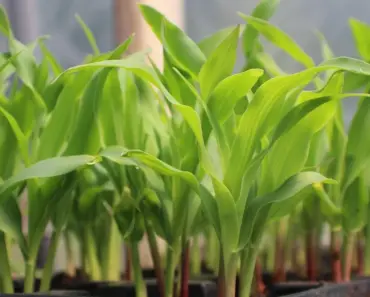
Picture this: you have spent the entire spring nurturing a row of lush, broad-leaved hostas. You imagined a cool, green backdrop for your shaded border. Then, one morning, you walk outside and find the leaves look like someone took a pair of ragged scissors to them. The tops are gone. The stems are chewed. Your heart sinks. You are not alone. For countless gardeners, this scene is a seasonal ritual. Deer see a hosta garden the same way we see a salad bar. The good news is that you can reclaim your yard without surrendering to the wildlife. This guide covers seven distinct, practical strategies to protect hostas from deer and keep your shade garden looking its best.
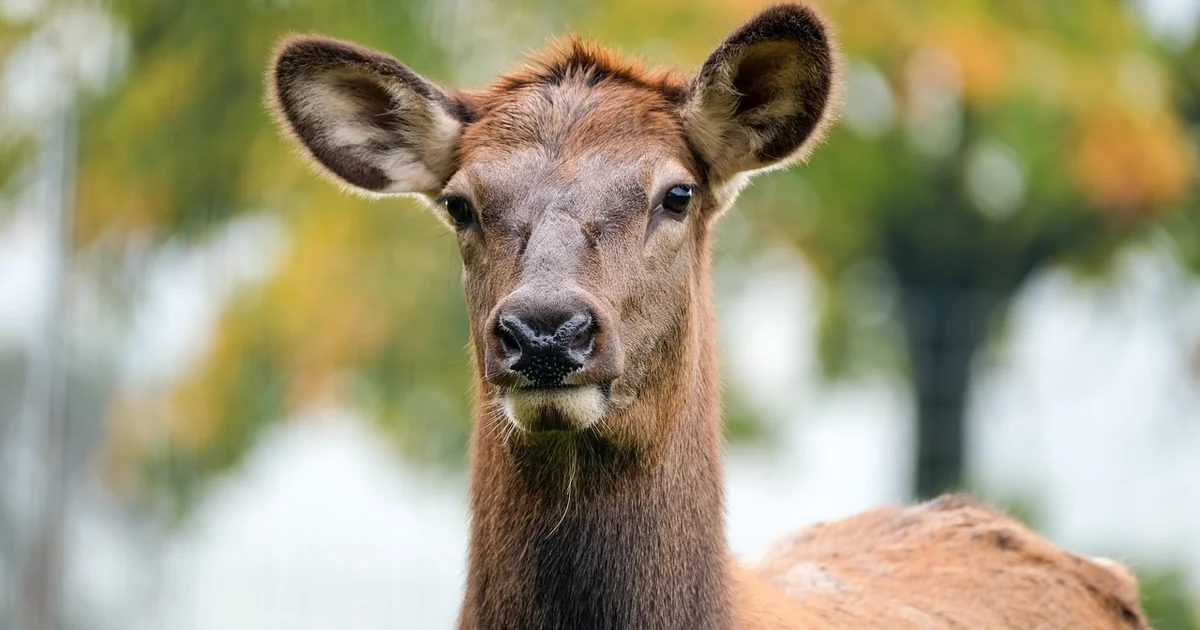
How to Confirm Deer Are the Culprits
Before you invest time and money in any solution, you need to be sure deer are the ones eating your hostas. Other creatures love these plants too, and each leaves a different signature. Getting this identification right is the first step to success.
Look at the Damage Pattern
Deer do not nibble delicately. They grab a mouthful of leaf and tear it away. This action leaves behind jagged, ragged edges. If you look at a damaged hosta and see torn, uneven margins instead of clean cuts, deer are likely the problem. They tend to feed at a height of roughly 18 to 24 inches off the ground. That is the sweet spot where the tallest, most tender leaves and flower stalks are easy to reach. If your damage is concentrated at that level, it is another strong clue.
Check the Scale of the Attack
Deer are social eaters. They move in groups. If you find that several hosta plants in the same bed have been eaten overnight, or even multiple clumps in different parts of the yard, deer are almost certainly the cause. A single rabbit or groundhog will focus on one plant and leave the rest alone for a while. Deer, however, are hungry and will target everything in their path.
Rule Out Other Garden Pests
Rabbits eat leaves close to the ground. They start at the outer edge of a leaf and work inward, and they rarely finish an entire plant. Slugs and snails leave a different calling card: small, irregular holes scattered across the leaf surface, not large chunks missing from the top. If you see holes but no torn edges at a height of two feet, slugs are your problem, not deer. Knowing the difference saves you from using the wrong deterrent.
Install a Tall Physical Barrier
If you want the single most reliable method to protect hostas from deer, a fence is your answer. Deer are powerful jumpers, so height matters more than material. A four-foot picket fence might keep out the neighbor’s dog, but a deer will clear it without breaking stride.
Why 8 Feet Is the Magic Number
Horticulturists and wildlife experts agree: a fence needs to be at least 8 feet tall to reliably stop a white-tailed deer. Deer can jump almost anything shorter, especially if they are motivated by hunger. You can use wood, metal, vinyl, or even heavy-duty plastic mesh. The key is the height. If an 8-foot fence is not practical for your whole property, consider fencing only the hosta bed itself. A smaller enclosed area is easier to manage and often blends into the landscape better than a towering perimeter.
Netting and Row Covers as Temporary Solutions
For gardeners who cannot install a permanent fence, netting or row covers can work as a seasonal barrier. Drape the netting over stakes or a simple frame so it stands at least 5 to 6 feet high. Deer will push against it, so secure the bottom edge to the ground with landscape staples or heavy rocks. The challenge is making sure the netting stays taut and tall enough. Deer are clever and will find a loose edge. Check the setup weekly, especially after wind or rain.
Use Commercial Repellents Strategically
When a fence is not an option, repellents offer a flexible alternative. The market is full of sprays and granules that rely on strong smells or unpleasant tastes. The trick is knowing how to use them so they actually work.
Blood Meal and Predator Scents
Many commercial repellents contain blood meal, putrid eggs, or the urine of predators like coyotes or foxes. These products tap into a deer’s deep instinct to avoid danger. When a deer smells a predator, its brain says “leave now.” These sprays are safe for humans, pets, and the plants themselves. They do not poison the deer. They simply make the area feel threatening.
The Problem of Habituation
Here is the catch: deer are smart. They learn. If a repellent smells the same every day and nothing bad ever happens, a hungry deer will eventually ignore the odor. This process is called habituation. To delay it, rotate between two or three different repellents every few weeks. Switch from a blood-meal spray to a garlic-based formula, then to a predator-scent product. Changing the smell keeps the deer guessing. Also, reapply after heavy rain. Most sprays wash off within a week, so plan for regular reapplication during the growing season.
Choose Hosta Varieties With Natural Resistance
No hosta is truly deer-proof. That is an honest fact. But some varieties are far less appealing to deer than others. The difference comes down to texture and thickness of the leaf. Deer prefer tender, soft leaves that are easy to chew. Thick, leathery, or heavily textured leaves are harder to bite and less enjoyable to eat.
Thick-Leaf and Blue Varieties
Varieties like ‘Blue Mouse Ears’ have small, thick, almost rubbery leaves. Deer often pass them by in favor of softer options. Other blue-leaved hostas, such as ‘Halcyon’ or ‘Elegans’, also have a waxy coating that may deter feeding. The thicker the leaf, the less likely a deer will find it worth the effort. When you are shopping for new hostas, look for descriptions that mention “thick substance” or “leathery texture.” These are code words for lower deer appeal.
Variegated and Fragrant Types
There is some anecdotal evidence that deer avoid hostas with strong fragrances or heavy variegation. While no study has proven this definitively, many gardeners report that white-edged or gold-centered varieties get nibbled less often than solid green ones. If you are planting a new bed, mix in a few of these less-palatable options. They will not stop a starving deer, but they can reduce the overall damage in a landscape where deer pressure is moderate.
You may also enjoy reading: 7 Easy Ways to Get More Peony Blooms.
Use Sound and Visual Deterrents
Deer are naturally skittish. That instinct has kept them alive for thousands of years. You can use that fear to your advantage. Introducing unexpected sounds or movements into the garden can make deer feel unsafe and encourage them to feed elsewhere.
Wind Chimes and Reflective Objects
Wind chimes produce an irregular, unpredictable sound. Deer cannot get used to a pattern that changes with every breeze. Hang a set of chimes near your hosta bed. The random clanging will alert the deer to an unusual presence. Some gardeners also hang strips of aluminum foil or old CDs from stakes. The reflective flashes of light mimic the movement of a predator or a human. This combination of noise and light can be surprisingly effective, especially in a quiet yard where deer are not accustomed to human activity.
Motion-Activated Sprinklers
For a more high-tech solution, consider a motion-activated sprinkler. When a deer steps into the detection zone, a burst of water shoots out. Deer hate being surprised by water. One or two encounters with a sprinkler is often enough to teach them to avoid that area entirely. These devices are safe, humane, and require no chemicals. The only downside is that you will also get wet if you forget to turn it off before walking through the garden yourself.
Replace Hostas With Deer-Resistant Shade Plants
Sometimes the best way to protect hostas from deer is to accept that the battle is not worth fighting. If deer pressure in your area is extremely high, and you are tired of spraying, fencing, and replanting every year, consider swapping out some or all of your hostas for plants that deer naturally avoid. You can still have a beautiful, lush shade garden. It will just look different.
Hellebores
Hellebores, also known as Lenten roses, are shade-loving perennials that bloom in late winter and early spring. Their leaves are thick and leathery. More importantly, hellebores contain compounds that are toxic to deer. Deer learn quickly that these plants cause digestive distress, so they leave them alone. Hellebores offer beautiful, nodding flowers in shades of white, pink, purple, and green. They thrive in the same shady, humid conditions that hostas love.
Heuchera (Coral Bells)
Heuchera, or coral bells, are another excellent alternative. Their leaves have a fuzzy or hairy texture that deer find unappealing. The foliage comes in a stunning range of colors, from deep burgundy to bright lime green. Heucheras produce tall, airy flower spikes that attract pollinators. They grow well in partial shade and require very little maintenance once established.
Ferns and Bergenia
Ferns offer a soft, airy texture that contrasts beautifully with bold-leaved plants. Deer rarely eat ferns because the fronds offer very little nutritional value. They are essentially fiber with no protein payoff. Bergenia, sometimes called pig squeak, has large, rounded leaves that are thick and waxy. The plant is mildly toxic and deer tend to avoid it. Both ferns and bergenia thrive in shade and add a different kind of visual interest to the garden.
Making the switch does not mean you have to give up on hostas entirely. You might keep a few of your favorite varieties in a protected bed near the house, where you can monitor them closely. Then fill the rest of the shady areas with hellebores, heuchera, ferns, and bergenia. This mixed approach reduces your workload while keeping your garden full and vibrant.
Deer are persistent, but they are not invincible. By using a combination of identification, barriers, repellents, strategic plant choices, and deterrents, you can dramatically reduce the damage they cause. Start with the method that fits your garden and your lifestyle. Add others as needed. With a little patience and a few smart tactics, your hostas can thrive all season long without becoming a deer’s next meal.