1. Start With the Right Planting Depth
The most common reason for a peony to produce lush green leaves but zero flowers is incorrect planting depth. Peonies grow from “eyes,” which are the small, reddish-pink buds located on the crown of the root system. For reliable blooms, these eyes must be planted no more than one to two inches below the surface of the soil.
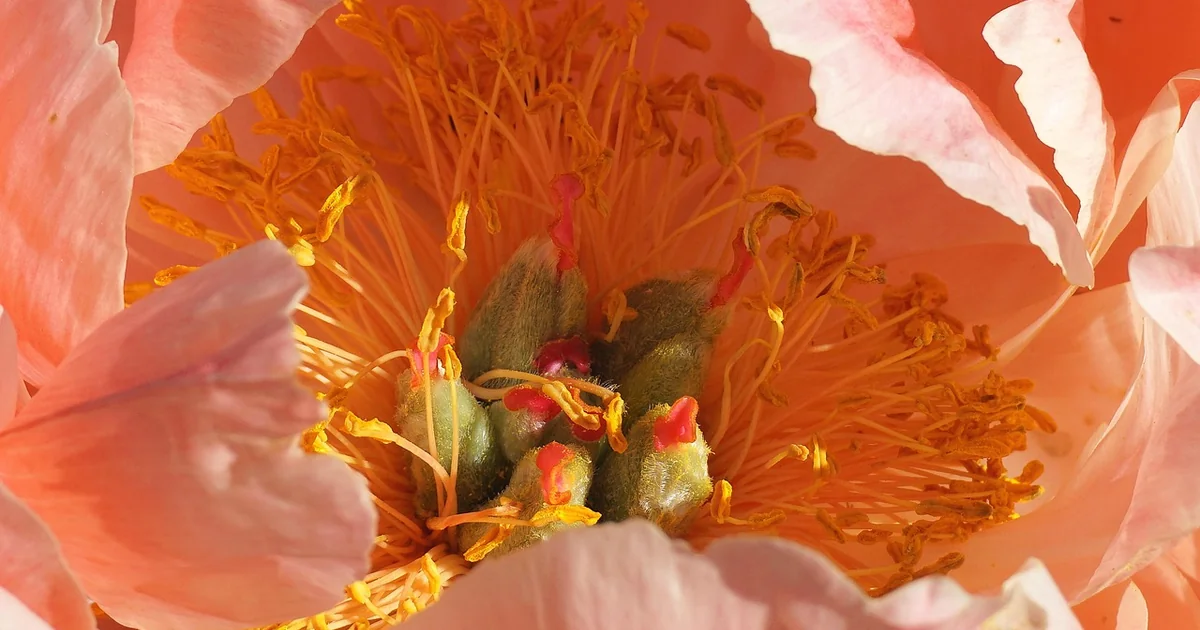
If they are buried deeper, the plant will grow beautifully but will likely refuse to flower. Over time, the crown can sink deeper due to heavy mulch buildup or freeze-thaw cycles. This is a common slow-moving problem that creeps up on gardeners.
The Fix: In early spring, gently brush away the soil around the crown to check the depth of the eyes. If they are too deep, the best course of action is to dig up the entire root clump in the fall and replant it at the correct depth. This simple correction is often all it takes to restart bloom production.
2. Give Them the Sun They Crave
Peonies are genuine sun worshippers. They require a minimum of six hours of direct sunlight each day to build up enough energy for a spectacular bloom show. They can survive in partial shade, but the number of flowers will drop off dramatically. The quality of the flowers also suffers in low light conditions.
If you have noticed a gradual decline in blooms over several seasons, take a step outside and observe how much direct sunlight hits the plant throughout the day. A nearby tree or shrub that has grown larger over the years might now be casting unwanted shade. This lack of light directly impacts the plant’s ability to produce flower buds for the following season.
The Fix: Your options are to prune back the offending branches to allow more light through, or to move the entire peony plant to a sunnier location. Fall is the ideal time for transplanting peonies. The plant will be much happier, and you will see a noticeable improvement in the flower count.
3. Be Careful When Fertilizing
When it comes to feeding peonies, less is almost always more—especially when it comes to nitrogen. Too much nitrogen causes the plant to channel all its energy into producing tall, lush, dark green foliage at the expense of flower buds. A peony that looks like a giant green bush with no flowers is often a peony suffering from nitrogen overload.
This is a surprisingly common problem for peonies planted near lawns that receive regular high-nitrogen fertilizer treatments. The runoff can easily reach the peony’s roots. The plant then responds to the abundant nitrogen by growing leaves instead of preparing for reproduction.
The Fix: Peonies are naturally light feeders. In most good garden soils, a light top-dressing of compost in the spring is all they need. If you choose to use a granular fertilizer, select one that is low in nitrogen and higher in phosphorus and potassium. A ratio like 5-10-10 is far better for promoting flowers than a high-nitrogen lawn food.
4. Practice Patience After Planting
Peonies follow a well-known rhythm in the garden: they sleep the first year, creep the second year, and leap the third year. If you planted a new peony or divided an existing clump last fall, it is completely normal for it to produce few or no blooms for the first couple of seasons. Expecting blooms in the first spring after planting is setting yourself up for disappointment.
During this establishment period, the plant is busy building a massive, healthy root system. Pushing flowers takes a lot of energy, and the plant will not have enough to spare until the roots are well-established. This is a natural and healthy part of the plant’s lifecycle.
The Fix: Be patient and provide consistent care. Water the plant during dry spells, ensure it gets plenty of sun, and do not fuss over it too much. If you have inherited peonies with a new house, give them at least a full year to settle in before you start troubleshooting bloom issues. The wait is always worth it.
5. Deadhead for Future Blooms
Since peonies only bloom once per season, deadheading will not encourage a second round of flowers. However, it is still one of the most important tasks you can do for next year’s bloom count. Removing the spent flowers prevents the plant from putting energy into creating seeds.
You may also enjoy reading: Make a Toad Abode to Get Rid of Slugs: 7 Ways.
Instead, that energy is redirected back down into the root system. A stronger root system in the summer and fall translates directly into more and larger blooms the following spring. Old flower heads also get heavy and soggy, especially after rain, which can drag stems down onto the foliage.
The Fix: Once a flower fades, snip the stem just below the flower head or down to a strong set of leaves. Be careful not to remove the foliage itself, as the leaves are needed to photosynthesize and store energy for next year’s display. This simple cleanup keeps the plant healthy and productive.
6. Improve Air Circulation
Peonies are susceptible to fungal diseases, most notably botrytis blight, which can cause buds to turn black and fail to open. Good airflow around the plant is your best defense against this frustrating problem. When the foliage stays wet for long periods, fungal spores have a chance to take hold and cause significant damage.
If your peonies are planted too close together or have become a massive, dense clump, the air movement in the center of the plant will be poor. This creates a perfect environment for disease to thrive. Wet, humid conditions with no airflow are a recipe for blossom loss.
The Fix: Space new peonies at least three feet apart to allow for good airflow. For existing plants, use a peony ring or stake to keep the stems upright and prevent them from flopping over onto each other. Remove any diseased foliage immediately and discard it, and cut the stems down to the ground in the fall to remove potential disease sources.
7. Support Stems Before They Break
This is a practical tip that directly impacts how many blooms you actually get to enjoy. Peony flowers, particularly the large double varieties, become extremely heavy. A strong rain or windstorm can easily snap the stems or bend them to the ground, ruining the flowers before they have fully opened. This is a heartbreaking sight for any gardener.
When a stem breaks, that flower is gone. Placing supports early in the season prevents this loss. Peony rings, which are wire hoops on legs, are the classic solution. Individual stakes and soft twine work just as well for keeping stems upright.
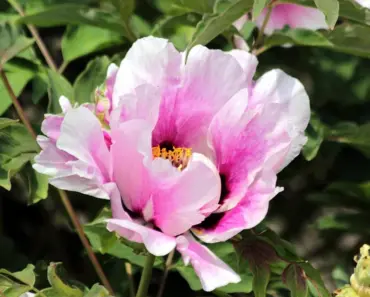
The Fix: Put your supports in place in early spring, just as the red shoots are emerging. The plants will grow right up through the rings, hiding the support completely. This ensures the stems remain upright and the blooms are displayed at their best, allowing you to enjoy every single flower.
Getting the most out of your peony patch does not require complicated chemistry or hours of hard labor. These seven simple adjustments—checking the depth, maximizing the sun, being stingy with nitrogen, practicing patience, deadheading faithfully, improving airflow, and providing sturdy support—will reliably set the stage for a magnificent bloom season. A happy, well-cared-for peony will reward you with decades of beautiful, fragrant flowers and become a treasured centerpiece of your garden.