Why Strategic Planting Matters for Your Herb Garden
Many gardeners focus solely on sunlight and water, but the plants themselves form a living community underground and above the soil. Dill, with its feathery leaves and distinct aroma, plays a surprisingly active role in this community. It does not simply sit there growing; it actively repels unwanted insects, attracts helpful predators, and adapts its shallow root system to fit neatly beside larger crops. Understanding these behaviors allows you to place dill where it will thrive and, in turn, help its neighbors thrive alongside it. This approach reduces the need for chemical interventions and creates a more resilient garden space.
The Unique Contributions to Garden Health
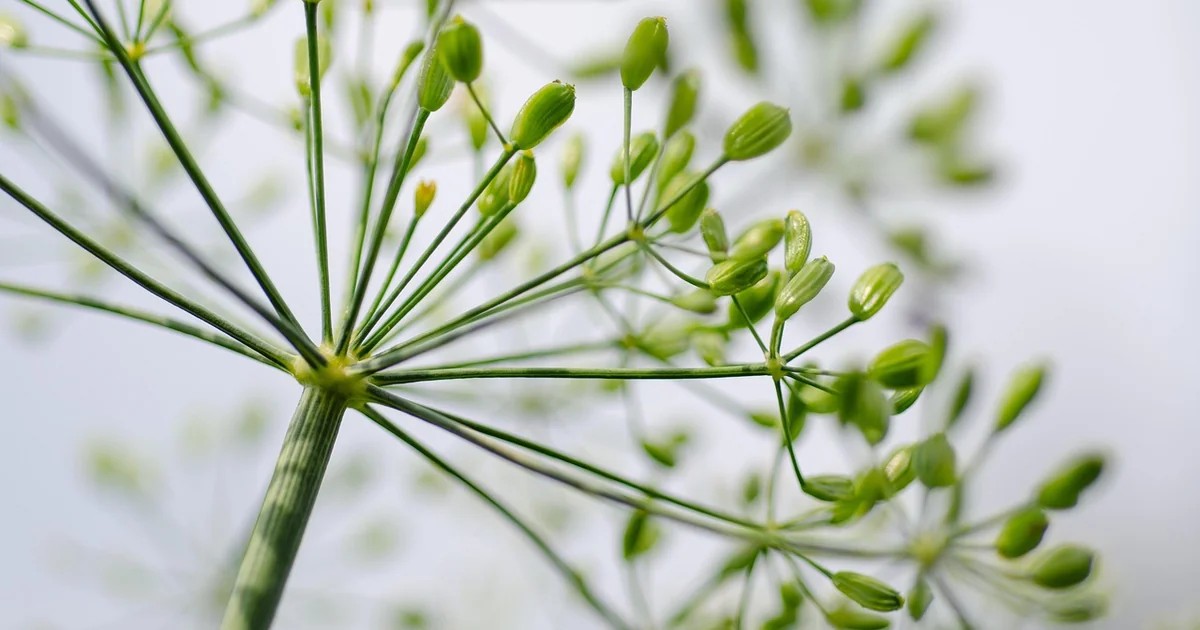
Before we explore specific partners, it helps to know exactly what dill brings to the table. Its flowers form flat umbels that act like landing pads for tiny predatory wasps, hoverflies, and ladybugs. These insects feed on dill nectar and then patrol the surrounding area, consuming aphids, caterpillars, and other destructive pests. At the same time, dill root system stays relatively shallow and non-invasive. This means it can be tucked into small gaps between larger plants without creating intense competition for water or nutrients. These traits make dill one of the most flexible and valuable additions to a mixed planting scheme.
7 Outstanding Dill Companion Plants to Transform Your Garden
Each of the following plants interacts with dill in a slightly different way. Some share its love for similar soil conditions, while others rely on dill to attract specific beneficial insects. By combining these plants thoughtfully, you can build a garden that requires less effort and produces more reliable harvests.
1. Basil: The Aromatic Herb Garden Ally
Basil and dill make an excellent pair because they demand similar growing conditions. Both prefer full sun, consistent moisture, and well-draining soil with a pH between 6.0 and 7.0. When planted together, their combined fragrances create a confusing environment for pests. Basil is known to repel thrips and flies, while dill deters spider mites and aphids. Some gardeners report that basil grown near dill develops a more intense flavor, possibly due to subtle shifts in the soil microbiome or stress responses that concentrate essential oils. Whether or not the flavor boost is scientifically confirmed, the visual contrast between broad basil leaves and dill fine fronds makes this pairing both functional and attractive.
For best results, plant basil seedlings about twelve inches away from mature dill plants. This spacing allows both to access adequate light without overcrowding. You can also harvest leaves from both plants regularly, which encourages bushier growth and extends the productive season.
2. Broccoli and the Brassica Family: A Shield Against Pests
Brassica vegetables, including broccoli, cauliflower, kale, and cabbage, are magnets for specific pests like cabbage moths and cabbage loopers. These insects lay eggs on the leaves, and the resulting caterpillars can decimate a crop within days. Dill acts as both a decoy and a defense system. Its strong scent masks the smell of the brassicas, making it harder for pests to locate them. More importantly, flowering dill attracts trichogramma wasps, tiny parasitoid wasps that lay their eggs inside the eggs of cabbage worms. This biological control is incredibly effective and completely natural.
To use dill as a protective companion for brassicas, plant it in a ring around your broccoli bed or intersperse it between individual plants. Space the dill roughly eighteen inches apart so it does not shade the lower-growing brassicas. As the dill flowers, it will draw in the beneficial wasps, which will then patrol the brassica leaves for pest eggs. This method significantly reduces the need for organic pesticides like Bt.
3. Corn: A Towering Partner for Beneficial Insects
Corn grows tall and requires substantial nutrients, but it has a serious enemy: the corn earworm. Dill comes to the rescue by attracting the predators of these worms. Ladybugs and green lacewings are voracious consumers of earworm eggs and small larvae. By planting dill on the perimeter of your corn patch, you create a reservoir of these beneficial insects. Experts recommend placing dill about twelve inches away from the nearest corn stalk. As the dill flowers, it draws in the good bugs, which then migrate to the corn to hunt for prey.
This strategy works particularly well because corn and dill have different root depths. Corn sends roots deep into the soil, while dill stays near the surface. This means they do not compete heavily for moisture or nutrients. Additionally, the tall corn stalks can provide a bit of afternoon shade for dill, which appreciates some relief from intense afternoon sun in hotter climates.
4. Asparagus: Maximizing Space and Nutrient Distribution
Asparagus is a perennial vegetable that occupies the same bed for several years. Weeds can become a constant problem in asparagus patches because the bare soil between the ferny stalks invites unwanted growth. Dill, with its shallow roots and upright growth habit, makes an excellent interplanting choice. It does not disturb the deep-rooted asparagus crowns, and it fills the empty space with useful foliage. Furthermore, dill flowers attract lacewings and ladybugs, which keep aphid populations under control. Aphids are a common nuisance on tender asparagus spears in spring.
Dill often self-sows readily, meaning once you establish it in your asparagus bed, it may return year after year with minimal effort. This creates a continuous cover crop that suppresses weeds and supports beneficial insect populations throughout the growing season. Just be sure to cut back the dill before it goes to seed if you want to prevent it from taking over completely, or let it seed if you want a permanent ground cover.
5. Marigolds: The Vibrant Protector Against Crawling Pests
Marigolds are among the most reliable companion plants in any garden. They release thiopene, a compound that is toxic to root-knot nematodes and repels many soil-borne pests. For dill, marigolds offer specific protection against slugs and caterpillars that might crawl up and eat the tender fronds. The bright orange and yellow blooms also serve as a beacon for pollinators, ensuring that your dill flowers get adequately pollinated if you plan to harvest seeds.
You may also enjoy reading: 7 Types of Cypress Trees You Can Easily Grow.
French marigolds are particularly effective for pest repelling due to their compact size and strong scent. Plant them as a border around your dill patch, spacing them about eight inches apart. This creates a vibrant, functional defense system that also adds aesthetic appeal to your garden. The marigolds will bloom continuously throughout the summer, providing a constant source of nectar for the beneficial insects that dill attracts.
6. Lettuce: A Quick-Growing Ground Cover Partner
Lettuce has a short growing cycle and shallow roots, making it a perfect neighbor for dill. As dill grows tall and begins to flower, it can provide a small amount of dappled shade for lettuce, which appreciates cooler soil temperatures during the heat of summer. Additionally, the strong scent of dill can help mask the aroma of lettuce, confusing pests like aphids and slugs that rely on smell to locate their preferred plants.
This pairing is ideal for maximizing space in small gardens. You can plant lettuce seeds directly around the base of your dill plants. The lettuce will mature and be ready for harvest just as the dill reaches its full height and begins to bloom. This staggered growth cycle means you get two harvests from the same plot of soil within a single season. For continuous production, practice succession planting of lettuce every two weeks.
7. Onions and the Allium Family: Doubling Down on Pest Repellence
Onions, garlic, leeks, and shallots have potent antimicrobial and pest-repellent properties. Their strong sulfurous compounds are off-putting to many insects, including aphids, carrot flies, and even rabbits. When planted alongside dill, they create a multi-layered sensory barrier. Dill attracts beneficial insects with its sweet nectar, while onions repel the bad ones with their pungent aroma. This combination is particularly effective for protecting vulnerable crops like carrots or leafy greens that are planted nearby.
Green onions or scallions are especially good companions because they have shallow roots that do not compete with dill. Plant them in a row next to your dill patch, spacing them about four inches apart. The onions will grow quickly and can be harvested as needed, leaving the dill to continue providing its pest-repelling and beneficial-attracting services throughout the summer. This pairing essentially creates a “pest-proof” wall around your garden beds.
Practical Planting Strategies for Success
To get the most out of these companion plantings, timing and spacing matter. Dill grows best in well-drained soil with a pH between 5.5 and 6.5. It does not transplant well due to its long taproot, so direct sowing is almost always recommended. Sow seeds about a quarter-inch deep and thin seedlings to stand eight to twelve inches apart once they reach a few inches tall. Succession sow dill every three to four weeks for a continuous supply of fresh leaves and flowers throughout the growing season.
It is also important to consider what not to plant near dill. Avoid placing it next to fennel, as the two can cross-pollinate and produce bland, flavorless offspring. Keep dill away from carrots as well, because it can attract the carrot rust fly, a pest that damages carrot roots. Some gardeners also report that dill can inhibit the growth of tomatoes, so it is best to keep these two plants separated by at least a few feet.
Building a Balanced Garden Ecosystem
Companion planting with dill is a simple yet profound way to shift from a reactive gardening style to a proactive one. By choosing the right partners, you invite balance into your garden. You will spend less time fighting pests and more time enjoying the lush, productive ecosystem you have cultivated. The seven plants discussed here provide a solid foundation for any garden, whether you are working with a small raised bed or a large in-ground plot. Start with one or two of these pairings this season, observe the results, and expand your companion planting efforts as you gain confidence. Your garden will thank you with healthier growth and more abundant harvests.