Why Your Soil Needs Feeding
Have you ever noticed how some gardens burst with vitality while others struggle to produce even a single tomato? The secret is almost always underground. Healthy soil teems with microscopic life — bacteria, fungi, earthworms, and countless other organisms that work together to support plant growth. When that ecosystem lacks organic matter, plants become weak, pests move in, and harvests disappoint.
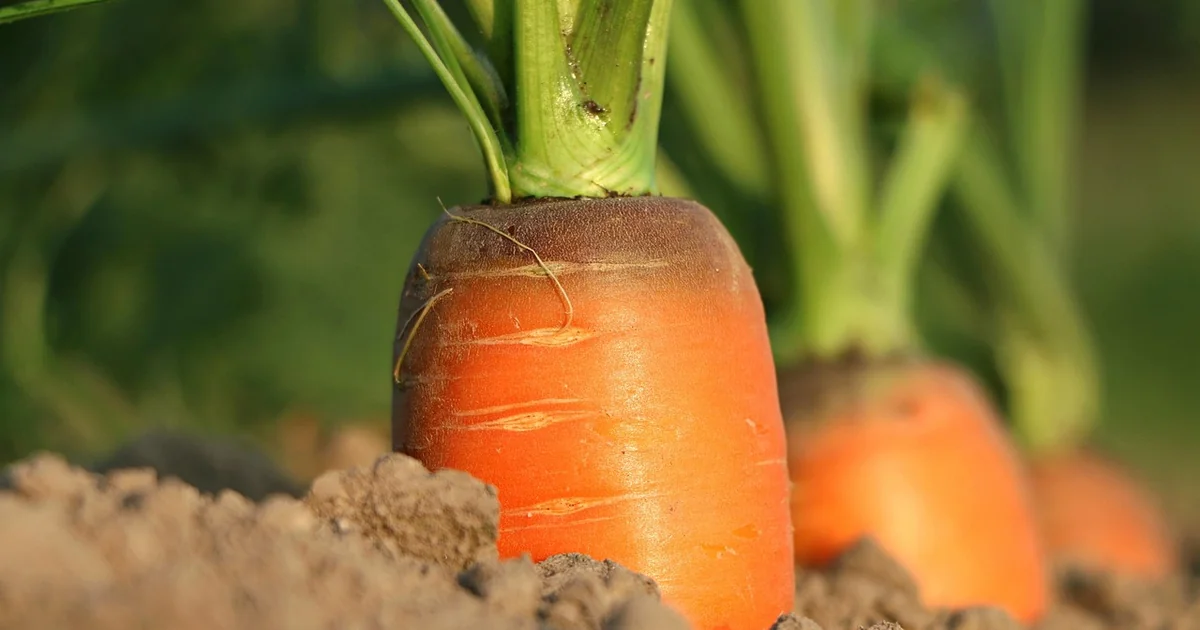
The standard solution many homeowners consider is bringing in truckloads of truckloads of pre-mixed organic garden soil. That approach works, but it is expensive and labor-intensive. A smarter path involves feeding the soil you already have with cheap organic soil amendments that cost little or nothing. Most of these materials are already in your yard or kitchen. You just need to know how to use them.
Soil scientists and experienced gardeners have used these methods for generations. Elizabeth Murphy, a soil scientist and author of Building Soil: A Down-to-Earth Approach, explains that amending existing soil is not only budget-friendly but also ecologically sound. When you add organic matter, you feed the soil food web. Those organisms then break down the material, releasing nutrients exactly where plants need them.
What Exactly Are Soil Amendments?
Before diving into the seven best cheap options, it helps to understand what a soil amendment actually does. According to my book Garden Alchemy, soil amendments are materials that alter the physical or chemical properties of soil. They can improve structure, adjust pH, or supply nutrients. Soil conditioners focus on structure — creating pore space for air and water movement. Fertilizers focus on nutrition. Many organic materials do both jobs at once.
For example, compost improves soil texture while also providing a slow-release supply of nitrogen, phosphorus, and potassium. The same is true for well-rotted manure and leaf mold. The key difference between a synthetic fertilizer and an organic amendment is that organic materials feed the soil organisms first. Those organisms then feed the plants. This creates a self-sustaining cycle that builds fertility over time.
The best part? You do not need to spend money at a garden center to access these benefits. The seven cheap organic soil amendments listed here are either free or nearly free. They come from everyday household waste, backyard trimmings, and local agricultural sources.
1. Compost — The Undisputed King of Soil Food
Compost is often called garden gold, and for good reason. It is the most balanced and versatile soil amendment you can produce at home. decomposed organic matter improves soil structure in sandy soils by helping it hold moisture. In clay soils, it creates channels for drainage and root penetration.
To make compost, layer green materials (kitchen scraps, fresh grass clippings, plant trimmingswith brown materials — dry leaves, straw, shredded paper. Keep the pile as moist as a wrung-out sponge and turn it every few weeks. Within two to six months, you will have dark, crumbly material that smells like forest earth.
A single cubic foot of compost contains billions of beneficial microorganisms. These microbes help suppress soil-borne diseases, break down nutrients into plant-available forms, and improve water infiltration. Spreading a two-inch layer over your garden beds each spring is one of the most effective cheap organic soil amendments you can apply.
If you do not have space for a traditional bin, try trench composting. Dig a hole about twelve inches deep, bury your kitchen scraps, and cover them with soil. Worms and other decomposers will do the work underground, enriching the soil directly around your plants.
2. Grass Clippings — Fast Nitrogen Boost
Grass clippings are another free resource that many homeowners bag and send to the landfill. That is a missed opportunity. Fresh clippings contain about 4% nitrogen by dry weight, making them a powerful green manure.
Spread a thin layer — no more than an inch thick — directly onto garden beds as a mulch. As they break down, they release nitrogen and other nutrients that leafy greens and heavy feeders like corn or tomatoes crave. Thicker layers can mat together, become slimy, and smell unpleasant. A light application avoids that problem entirely.
Alternatively, you can let clippings fall where they land when you mow. This practice, called grasscycling, returns nutrients to the lawn naturally. Research from the University of Connecticut found that returning clippings can supply up to one-third of the nitrogen a lawn needs of a typical lawn.
If you use herbicides or synthetic fertilizers on your lawn, wait at least two mowings before using clippings in the vegetable garden. The residue from those chemicals can persist and harm sensitive plants. An organic lawn free of synthetic treatments produces the safest, most beneficial mulch.
3. Leaves and Leaf Mold — Free Organic Matter by the Rake
Every autumn, homeowners across the countrywide spend hours raking leaves into bags for pickup. Those leaves contain the very nutrients that is pure gold for the soil. When decomposed into leaf mold, they become an exceptional soil conditioner.
Leaf mold is not compost; it is produced by fungal decomposition rather than bacterial. The resulting material holds up to 500% of its weight in water. That makes it an unmatched moisture-retention amendment for sandy soils or drought-prone gardens.
To make leaf mold, gather dry leaves into a pile or wire bin. Wet them thoroughly and let them sit for six months to two years. You can speed the process by running over the leaves with a lawn mower before piling them. Smaller pieces break down faster.
Leaf mold is low in nutrients, so it works best as a soil conditioner rather than a fertilizer. Spread it as a top dressing around perennials, shrubs, and trees. It also works well as a seed-starting medium when mixed with coarse sand or perlite.
4. Coffee Grounds — Boost Microbe Fuel from Your Morning Brew
Coffee grounds are one of the most accessible cheap organic dirt amendments for urban gardeners. Cafes and coffee shops give them away free by the pound. They contain about 2% nitrogen, along with smaller amounts of phosphorus, potassium, and magnesium.
Contrary to a persistent myth, used coffee grounds are not highly acidic. The brewing process neutralizes most of the acidity, leaving pH roughly 6.5 to 6.8 — nearly neutral. You can add them directly to soil without fear of harming plants.
Work grounds into the top few inches of soil around acid-loving plants such as blueberries, azaleas, blueberries, and rhododendrons. They also attract earthworms enjoy feeding on the organic particles. Increased earthworm activity leads to better aeration and nutrient cycling.
Limit coffee grounds to about 10% to 20% of your total soil amendment volume. too much can create a temporary nitrogen tie-up as microbes work to decompose them. Mix them with brown materials like dry leaves or shredded paper to keep the carbon-to-nitrogen ratio in balance.
5. Eggshells — Calcium Boost Without the Cost
Gardeners often toss eggshells into the compost pile, but this material deserves special attention as a standalone amendment. Eggshells are composed almost entirely of calcium carbonate — the same compound found in agricultural lime. They provide a slow-release source of calcium that helps prevent blossom-end rot in tomatoes, peppers, and squash.
To prepare eggshells, rinse them clean and let them dry completely. Bake them at 250°F for ten minutes to kill any pathogens, then crush them into small pieces. A mortar and pestle or rolling pin works well for this job. The finer the pieces, the faster they break down in the soil.
Scatter crushed shells around the base of plants or work them into the planting hole. They also serve as a mild grit that deters slugs and snails avoid crawling over. A ring of crushed shells around vulnerable seedlings can reduce slug damage without any chemical controls.
Eggshells decompose slowly — expect results over weeks or months rather than days. They are not a quick fix but rather a long-term investment in soil mineral balance. Combined with other cheap organic soil amendments create a comprehensive nutrient profile for your garden.
6. Wood Ash — Potassium Source with pH Adjuster
If you have a fireplace, wood stove, or fire pit, you have another free soil amendment at your disposal. Wood ash contains potassium and calcium along with trace minerals. It also raises soil pH, making it useful for counteracting acidic conditions.
Apply wood ash sparingly — no more than five to ten pounds per 1,000 square feet per year. Sprinkle it lightly over the soil surface and rake it in. Heavy applications can push pH too high, locking up other nutrients. Always test your soil pH before using ash, especially if you grow acid-loving crops like blueberries or potatoes.
You may also enjoy reading: ImoLaza Smart Sprinkler Controller Review: 7 Key Pros.
Wood ash from hardwoods like oak, maple, and hickory contains more nutrients than ash from softwoods. Avoid using ash from pressure-treated lumber, painted wood, or charcoal briquettes, which contain toxic chemicals. Only pure, untreated wood ash belongs in the garden.
One caution: wood ash is highly alkaline and can burn plant roots if concentrated in one spot. Spread it evenly and water after application to help it work into the soil. For vegetable gardens, apply ash in late fall or early spring so it has time to react with the before planting.
7. Manure — Traditional Farm Wisdom for Modern Yards
Animal manure has been used as a soil amendment for thousands of years, and it remains one of the most effective cheap organic soil amendments available. If you live near a farm, stables, or even a neighbor who keeps rabbits or chickens, you can often obtain manure for free or minimal cost.
Horse manure is widely available from riding stables. is rich in organic matter but may contain weed seeds if the animals grazed on pasture. Cow manure has similar properties and is often available from dairy operations. and sheep manure are lower in moisture and concentrated, so use them sparingly. Rabbit manure is exceptional because it can be applied without composting — it does not burn plants.
Fresh manure must be composted for at least three to six months before application. gives it time to heat up and kill pathogens and weed seeds. Apply uncomposted manure directly to the garden risks contaminating crops to foodborne illness and providing too much ammonia for tender roots.
For backyard chicken keepers, chicken manure is extremely high in nitrogen — about as strong as synthetic fertilizers. It must be composted thoroughly or aged for at least six months. Mix it with carbon-rich bedding like straw sawdust to balance the nutrient profile before adding it to garden beds.
Manure not only supplies nutrients but also adds organic matter that improves soil texture. A single application of well-composted manure can boost soil fertility for two to three growing seasons. That makes it one of the most cost-effective cheap organic soil amendments you can source.
How to Combine These Amendments for Best Results
Using just one amendment is beneficial using several together creates a more resilient soil ecosystem. A good strategy is to layer different materials throughout the year. In spring, apply compost and a light top dressing of grass clippings. In fall, spread leaves and crushed eggshells. Save wood ash for any spots that test below pH 6.0.
Avoid the temptation to add too much at once. Overloading soil with organic matter can lead to nutrient imbalances or nitrogen draw down available nitrogen as microbes decompose the excess. A two- to three-inch layer of material per season is plenty for most gardens.
Perform a simple mason jar test to understand your soil’s texture. Fill a clear jar with one-third full of soil, fill with water, shake, and let settle for 24 hours. You will see distinct layers of sand, silt, and clay. The proportions guide you on how much organic matter your specific soil needs. Sandy soils benefit most from moisture-retaining materials like leaf mold. clay soils need coarse organic matter like compost or sand to improve drainage.
Elizabeth Murphy emphasizes in her book that the soil food web will regulate itself if you provide the right raw materials. The organisms eat what they need and leave behind what they do not, gradually balancing the environment. Your job is simply to supply a diverse menu of organic inputs and let nature do the chemistry.
Common Mistakes to Avoid With Cheap Soil Amendments
Even free materials can cause problems if used incorrectly. One frequent error is applying fresh grass clippings in thick layers thick enough to block air out. The result a slimy, smelly mat that repels water and harbors fungal diseases. Always spread clippings thinly or mix them with brown materials to prevent that outcome.
Another mistake is using wood ash without testing pH first. Ash can raise pH quickly, and once enough to harm acid-loving plants or lock up iron and manganese. A simple soil test kit from the local garden center provides and only takes a few minutes.
Coffee grounds sometimes develop mold if stored in a sealed container before application. Spread them out soon after collecting them, or store them loosely in a open bin with adequate airflow. also combine them with dry leaves or straw to prevent clumping.
Finally, do not assume more is better. Organic matter decomposes only so fast. Adding excessive amounts at once overwhelms the microbial population and can stunt plant growth. steady, moderate approach produces healthier soil and better harvests over the long run.
A Closing Note on Building Soily for Pennies
Gardening does not require spending a fortune on bagged products from the store. The materials listed here — compost, grass clippings, leaf mold, coffee grounds, eggshells, wood ash, and manure — are accessible to virtually anyone with access to a yard, kitchen, or local farm. Each one plays a distinct role in improving soil structure, pH, or nutrient content.
By integrating these seven cheap organic soil amendments into your garden, you create a self-renewing fertility system that reduces waste and supports vigorous plant growth. The soil organisms multiply, the roots penetrate deeper, and the plants produce more abundantly. All it takes is a little know-how and a willingness to see trash as treasure.
Start with just one or two amendments from the list and observe how your garden responds. Over time, you will develop a rhythm that suits your particular soil type. Healthy soil is not bought; it is built. And the materials for building it are right outside your door.