That vibrant red poinsettia sitting on your coffee table is more than a seasonal decoration. With a handful of thoughtful adjustments, its colorful display can carry you well past the holiday season and into early spring. Some people treat these plants as disposable accents, tossing them the moment the calendar flips to January. That approach feels wasteful when, with a little poinsettia care, the same plant can grace your home for months or even years.
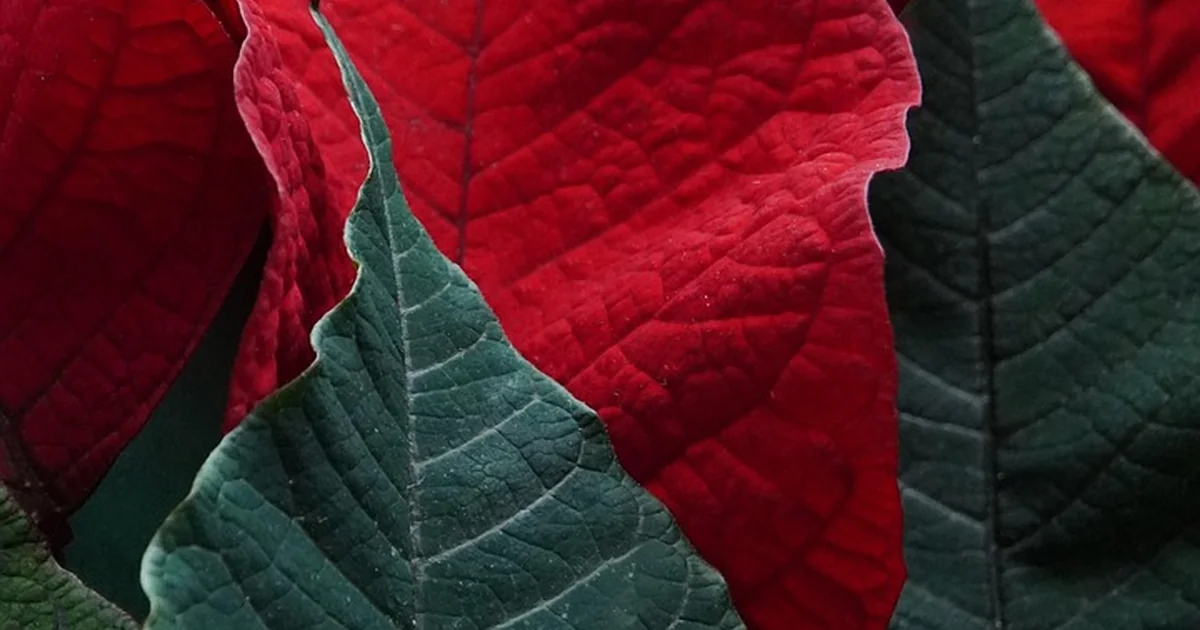
Indoors, a well-tended poinsettia will keep its showy bracts looking fresh until March or early April. That gives you about three to four months of vivid color after you first bring it home. Given the right light and warm temperatures, the plant does not collapse after Christmas. It continues putting out those colorful modified leaves, which many people mistake for flowers.
The true flowers are the tiny yellow buds at the center of the bracts. Once those open and begin shedding pollen, the plant has reached peak maturity. From that point the display starts winding down. But you still have a few good weeks before the bracts fade.
If you decide to keep your poinsettia going as a year-round houseplant, the potential lifespan jumps dramatically. A poinsettia can live 10 to 20 years under consistent care. In its native Mexican habitat, the plant grows into a sprawling shrub reaching 10 to 15 feet tall and lives for decades. Indoors it stays smaller, but the longevity is the same.
Outdoors, poinsettias are only hardy in USDA growing zones 9 through 11. Once temperatures drop below 50°F, the plant begins to deteriorate. That is why most of us grow them as indoor companions.
Starting with the Right Plant: The First Step in Poinsettia Care
Your chances of a long-lasting poinsettia begin the moment you choose one at the nursery or grocery store. A plant that is already past its prime will not reward you with weeks of color no matter what you do at home.
Look for a poinsettia with plenty of unopened flower buds at the center. Those are the tiny yellow structures that have not yet released pollen. The bracts should be fully colored but not starting to fade or droop. Avoid plants with large, open yellow flowers in the middle. Those are older specimens that have already peaked.
Check the lower leaves as well. Healthy green foliage all the way down indicates a vigorous plant. If the lower leaves are yellowing or missing, that poinsettia has been stressed somewhere along the way, probably by improper watering or cold drafts.
A younger plant with compact growth and no signs of wilting gives you the best foundation. It may look smaller on the shelf, but it will last longer in your home than a fully mature specimen already shedding pollen.
Bringing Your Poinsettia Home Smoothly
Poinsettias come from warm climates. A quick trip through freezing air can shock the plant before it ever reaches your living room. When you purchase one, ask the cashier to slip it into a paper bag or plastic sleeve. That simple barrier traps warmth and blocks the wind.
Never leave a poinsettia in a cold car while you run additional errands. Even 10 minutes in a vehicle at 40°F can cause the leaves to droop and drop within a day or two. If you are shopping in winter, bring the plant home first and go back for the rest of your items.
Once inside, remove any plastic or paper wrapping immediately. Those covers trap ethylene gas from ripening fruit and accelerate aging. Set the plant in its permanent spot as soon as possible. The less you move it, the better it will settle in.
Finding the Best Spot for Bright, Indirect Light
Light is a major factor in how long your poinsettia keeps its color. The plant needs bright, indirect sun for most of the day. An east-facing window is ideal because it provides gentle morning rays without the harsh intensity of afternoon exposure.
A south or west window can work, but you may need to pull the plant back a foot or two from the glass or use a sheer curtain to diffuse the light. Direct midday sun can burn the bracts, causing brown edges and premature fading. Poinsettias that suffer leaf burn rarely recover their full beauty.
If your home has limited natural light, consider placing the plant under a grow light for about 12 hours each day. The light should sit about 6 to 8 inches above the top leaves. This trick works especially well if you plan to keep the poinsettia alive year-round.
Temperature Consistency Matters More Than You Think
Poinsettias thrive in steady temperatures between 65°F and 75°F during the day. At night they can tolerate a slight drop to around 60°F, but anything below that risks damage. Drafty windows, exterior doors, heating vents, and cold walls all create microclimates that stress the plant.
Keep the foliage away from window glass. On cold nights, the glass surface can be 20 degrees colder than the room air. Leaves that touch the glass may develop black spots and fall off within days. Pull the pot back at least 2 inches from the pane.
Do not place your poinsettia near a radiator, forced-air vent, or fireplace. Hot, dry air rushing across the leaves causes them to curl, crisp, and drop. The plant prefers stable, moderate humidity. If your home gets dry in winter, run a small humidifier nearby or set the pot on a tray of pebbles with water just below the pot base.
Watering the Right Way
Improper watering is the most common reason poinsettias fail early. People either overwater and cause root rot, or they underwater and let the plant wilt repeatedly. Finding the right rhythm is essential for long-lasting poinsettia care.
Start by watering once a week, but check the soil before you pour. Stick your finger about 2 inches into the potting mix. If it feels dry at that depth, it is time to water. If it still feels moist, wait another day or two. You can also lift the pot. A dry poinsettia container feels noticeably lighter than a wet one.
Always remove the decorative foil sleeve before watering. The foil traps water against the pot, drowning the roots and encouraging mold. Set the pot in the sink and water thoroughly until liquid runs out the drainage holes. Let the pot drain completely before returning it to its cover or saucer. Standing water in the tray leads to root rot and yellowed leaves.
Water with room-temperature water. Cold water straight from the tap can shock the roots, especially during winter when your pipes may be extra chilly. If your tap water is very hard or heavily chlorinated, consider using filtered or distilled water for the best results.
When to Skip Fertilizer
While your poinsettia is actively blooming, do not fertilize it. The plant has all the nutrients it needs from the greenhouse. Adding fertilizer during the bloom phase can actually shorten the life of the bracts. Wait until new growth appears in the spring before you introduce any plant food.
Recognizing When a Poinsettia Has Given Its Best
Even with diligent poinsettia care, the display will end eventually. The bracts begin to fade, the tiny yellow flowers at the center open fully and shed pollen, and lower leaves start yellowing and dropping. These are natural signs that the bloom cycle is over.
Some people choose to discard the plant at this point, especially if it is a single-stem variety. Single-stem poinsettias rarely rebloom successfully. They are better treated as seasonal disposables. But if you have a bushy, multi-stemmed specimen and you feel committed, you can keep it alive and attempt to coax it into blooming again next year.
How to Keep a Poinsettia Alive Year Round
Keeping a poinsettia alive through the entire year is more demanding than caring for most other houseplants. The plant goes through a distinct dormancy phase where it drops all its leaves and looks dead. That awkward few weeks throws many owners off, but it is entirely normal.
You may also enjoy reading: 7 Tips to Grow & Care for Inkberry Holly.
In March or early April, start letting the soil dry out more between waterings. Do not let it stay bone dry for days, but reduce the frequency gradually. The plant will sense the change and start slowing its growth. Leaves may yellow and drop. That is fine.
By mid-April, move the poinsettia to a shaded spot that receives no direct sun for 12 to 15 hours daily. A cool basement corner or a north-facing room works well. Reduce watering even further during this dormant rest.
In May, prune each stem back to about 4 inches tall. Make your cuts just above a leaf node. New shoots will emerge from those nodes. At the same time, repot the plant into a container one size larger using fresh, high-quality potting mix. This gives the roots room to expand.
Place the repotted poinsettia back in a sunny window with bright, indirect light. Resume regular watering, keeping the soil moist but never soggy. Once you see new green shoots emerging, begin feeding with a balanced all-purpose liquid fertilizer every two weeks.
Summer Pinching for Bushier Growth
Around July, pinch back each branch by about an inch. Pinch just above a leaf or leaf node. This encourages the plant to branch out and become fuller rather than growing tall and leggy. Repeat this pinching once more in late August or early September.
Continue watering and fertilizing through the summer. Your poinsettia will look like a leafy green houseplant with no color. That is exactly where it should be. The colorful bracts will not appear until you force them with darkness in the autumn.
The Art of Getting a Poinsettia to Rebloom
Getting a poinsettia to rebloom for the holidays is the trickiest part of poinsettia care. The plant is photoperiodic, meaning it needs long, uninterrupted nights to trigger flower development. In nature, the shortening days of autumn tell the plant to set buds.
Starting in October, you must provide complete darkness for 15 hours every single night. Place the poinsettia in a closet, under a box, or in a completely dark room from around 5 PM to 8 AM. Any light leak during those 15 hours will disrupt the process and delay or prevent blooming.
During the day, move the plant back to its sunny spot. Give it bright, indirect light for the remaining 9 hours. Repeat this routine every day for about 8 to 10 weeks. Missing even one night can set you back by weeks.
Around late November, you should see small buds forming at the tips of the stems. At that point you can stop the darkness treatment. The bracts will begin to color up naturally. By mid-December, your poinsettia should be showing red, pink, or white bracts again.
Small Adjustments That Make a Big Difference
During the darkness treatment, keep the temperature on the cooler side, around 60°F to 65°F at night. Cooler nights encourage richer bract color. Continue watering as needed, but do not let the soil become waterlogged. Reduce fertilizing to once a month during this period.
Once the bracts show color, return the plant to its regular care routine. Stop the daily darkness, keep it in bright indirect light, and maintain stable temperatures. With a bit of luck and consistency, your homegrown rebloom can rival anything sold at the garden center.
Common Mistakes That Shorten a Poinsettia’s Life
Even experienced plant owners sometimes stumble. One common error is leaving the decorative foil on without cutting slits for drainage. Water pools inside the foil, roots rot, and the plant collapses within weeks. Always unfold or cut the foil to let water escape and to give the leaves access to light.
Another mistake is placing the poinsettia near ripening fruit bowls. Apples, bananas, and pears release ethylene gas that accelerates bract fading. Keep the plant on the opposite side of the kitchen or in a room without fresh fruit.
Overwatering during the bloom period causes bracts to turn yellow and drop prematurely. Underwatering causes wilting that stunts future growth. Finding that Goldilocks zone of consistent moisture takes a week or two of observation, but it is worth the effort.
Finally, do not give up when the leaves fall off in spring. That dormancy is part of the natural cycle. Many people toss the plant at the first sign of leaf drop and assume they failed. In reality, the plant was just resting. If you persist through that ugly phase, you set yourself up for years of repeat blooms.
A poinsettia cared for correctly is not a one-season wonder. It becomes a living reminder of the holidays that keeps giving, season after season, year after year.