Why Ground Bees Settle in Your Yard
You step outside on a warm spring morning, coffee in hand, ready to enjoy your garden. Instead, you spot small mounds of dirt scattered across your lawn. Low-flying bees zip just inches above the grass. Your first instinct might be panic. But here is the truth: ground bees are not the villains many people assume they are.
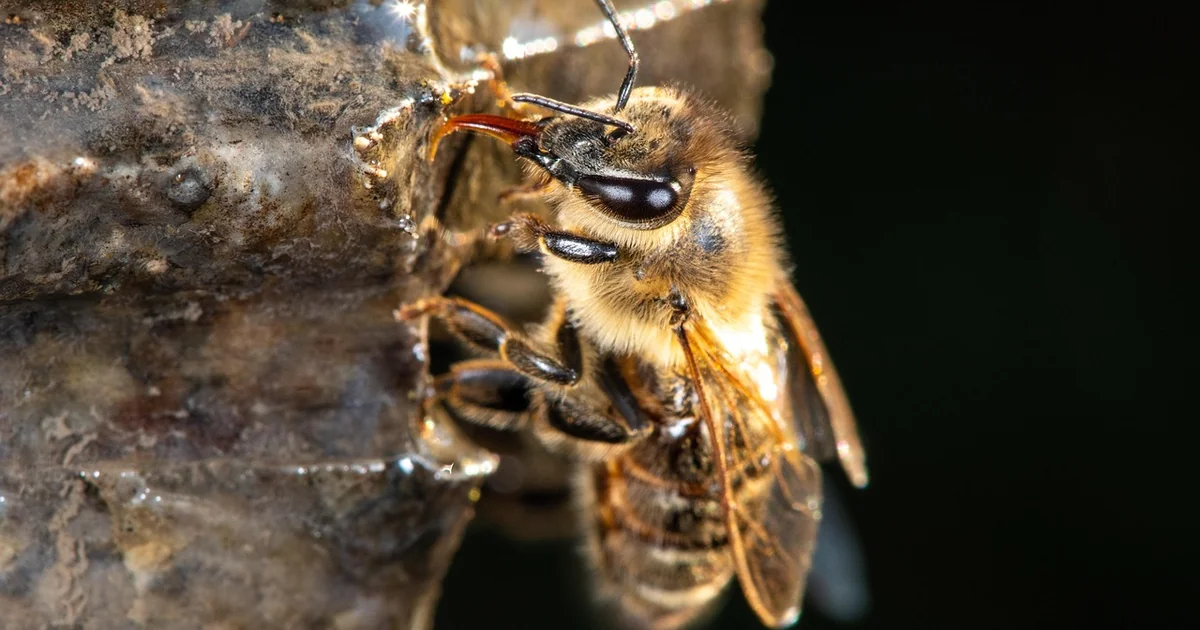
These solitary insects are actually incredible pollinators. A single female ground bee can visit thousands of flowers in her short life. She helps your garden produce more blooms, fruits, and vegetables. The United States Department of Agriculture estimates that native bees, including ground-nesting species, contribute roughly $3 billion annually to crop pollination. That is a significant number.
Still, having dozens of small nests in your yard creates real concerns. You worry about children playing barefoot. You worry about pets stepping on a nest. You worry about guests getting stung during a backyard barbecue. These worries are valid. The good news is that ground bee removal does not have to mean harsh chemicals or expensive exterminators. You can handle this safely, humanely, and effectively.
3 Signs You Have Ground Bees
Before you take any action, you need to confirm that ground bees are actually the problem. Many insects dig holes in soil. Some are harmless. Others are beneficial. Here are three reliable indicators that ground bees have moved in.
Little Dirt Piles Around Nest Entrances
As a ground bee excavates her nest, she pushes loose soil out of the tunnel. This creates a small mound around the entrance hole. The pile looks like a tiny volcano, usually about an inch or two wide. You might notice several of these mounds scattered across the same area of your lawn or garden.
These dirt piles are often easier to spot than the bees themselves. Ground bees are small and fast. They blend in with their surroundings. But those little mounds of fresh soil stand out clearly against green grass or dark mulch. Check your yard in the morning when light hits the ground at a low angle. The shadows make the mounds more visible.
Bees Flying Just Above the Ground
You are probably familiar with honeybees and bumblebees flying at eye level or higher around flowers. Ground bees behave differently. They fly very low, often within a few inches of the soil surface. They hover near the entrance holes, dart in and out, and sometimes patrol a small territory around their nest.
This low-flying behavior is one of the most distinctive signs of ground bees. If you see bees zipping along the ground like tiny fighter jets, they are almost certainly ground-nesting species. Watch from a safe distance for a few minutes. You will likely see them disappear into holes in the soil.
Bee Activity Around Holes in the Soil
Once you spot low-flying bees, follow their flight path. Look for small, perfectly round holes in the ground. These holes are typically about the diameter of a pencil eraser, roughly one-quarter to one-half inch wide. The bees enter and exit through these openings throughout the day.
Activity is highest during warm, sunny hours. Ground bees are most active when temperatures are above 65 degrees Fahrenheit. On cool or rainy days, they stay inside their nests. If you see bees consistently entering and leaving the same holes on multiple days, you have confirmed an active nesting site.
Safety Considerations Before You Start
Ground bees are not aggressive. In fact, they are among the gentlest of all bee species. Male ground bees lack stingers entirely. Females have stingers but rarely use them unless directly handled or trapped against skin. However, caution is still wise. Allergic reactions to bee stings affect about 5 to 7.5 percent of the American population, according to the Asthma and Allergy Foundation of America.
Wear Proper Footwear and Clothing
Never walk around your yard barefoot or in open sandals when ground bees are present. Put on closed-toe shoes every time you go outside. Thick socks add an extra layer of protection. Wear long pants tucked into your socks if you need to work near nest areas.
This might feel uncomfortable on a warm day, but it prevents accidental stings. If you step near a nest entrance, the bee may perceive the pressure as a threat. Thick fabric between your skin and the bee makes all the difference.
Mark Nest Locations and Avoid Them
Once you identify active nest holes, mark them with small flags, sticks, or stones. This helps you remember where they are. Walk around these areas until you implement a permanent solution. Remind family members and guests to stay clear.
Children and pets are the most vulnerable. A toddler running barefoot through the grass could step directly on a nest entrance. A curious dog might dig at a hole and disturb the bees. Keep play areas and pet zones far from active nests.
8 Ways to Get Rid of Ground Bees or Prevent Them
Now we get to the practical part. These methods range from simple prevention to direct action. Some approaches preserve the bees’ lives. Others target larvae to stop the next generation. Choose the method that fits your comfort level and your specific situation.
Reseed Bare Patches in the Lawn
Ground bees choose nesting sites based on ease of digging. Bare soil with no grass cover is their ideal real estate. Grass roots create a tangled underground mat that makes excavation difficult. When you keep your lawn thick and healthy, you remove the bees’ preferred habitat.
Walk your yard every few weeks during the growing season. Look for thin spots or bare areas. Loosen the soil lightly with a rake. Spread grass seed appropriate for your region and climate zone. Cover with a thin layer of straw or compost to retain moisture. Water daily until the new grass establishes.
This is a long-term strategy. It does not eliminate existing nests. But it prevents new bees from moving in next season. Over time, your lawn becomes less attractive to ground-nesting species.
Keep the Lawn Watered
Dry soil is soft and easy to dig. Wet soil is heavy and compact. Ground bees prefer the former. By maintaining consistent soil moisture, you make your yard less inviting.
Water your lawn deeply about twice per week during dry spells. Aim for one inch of water per week, including rainfall. Use a rain gauge or a simple tuna can to measure. Morning watering is best because it allows the grass to dry before evening, reducing disease risk.
This method works best as a preventive measure. If bees have already established nests, watering alone will not drive them away. But it discourages new colonization and makes existing nests less comfortable for the bees.
Mulch Your Perennial Garden
Garden beds are prime real estate for ground bees. The soil is loose, well-worked, and free of grass. Bees can dig with minimal effort. A thick layer of mulch changes that equation.
Apply organic mulch such as shredded bark, wood chips, or pine straw to a depth of three to four inches. This creates a physical barrier that bees cannot easily penetrate. The mulch also blocks sunlight from reaching the soil surface, which keeps the ground cooler and less appealing for nesting.
Replenish mulch annually as it decomposes. This is particularly important in spring when ground bees begin scouting for nest sites. A fresh layer of mulch in March or early April can stop the problem before it starts.
Lay Landscape Fabric in Shrub Beds
Shrub beds present a similar challenge to perennial gardens. The open soil between shrubs is tempting for ground bees. Landscape fabric offers a more permanent barrier than organic mulch.
Cut the fabric to fit your shrub bed. Lay it directly on the soil surface. Cut small X-shaped slits where you want to plant shrubs or perennials. Secure the fabric with landscape staples every few feet. Cover the fabric with a thin layer of decorative mulch or gravel for appearance.
Landscape fabric blocks bees from digging while still allowing water and air to reach plant roots. It lasts for several years with minimal maintenance. This is an excellent solution for large shrub beds where ground bees repeatedly nest.
Kill the Larvae with Boiling Soapy Water
If you already have active nests and want to stop the next generation, targeting the larvae is effective. Ground bee larvae develop underground throughout the spring and summer. They emerge as adult bees the following spring. Breaking this cycle reduces future populations.
You may also enjoy reading: 5 Lemon-Scented Plants for a Fragrant Path or Driveway.
Boil a large pot of water on your stove. Add a few tablespoons of liquid dish soap. The soap breaks the surface tension of the water, allowing it to penetrate deeper into the soil and reach the larvae more effectively. Carefully carry the pot to the nest entrance.
Pour the boiling soapy water directly into the hole. Pour slowly to avoid splashing. The hot water kills larvae on contact. The soap suffocates any larvae the water does not directly hit. Repeat this process for every active nest hole in your yard.
This method is immediate and effective. However, it also kills the adult female bee if she is inside the nest. It is not a humane option. Use it only if you have a large infestation or if other methods have failed. Wear long sleeves and gloves when handling boiling water near nests.
Block Access to Existing Holes
Adult ground bees need to enter and exit their nests regularly. If you block the entrance, they cannot return. They eventually abandon the nest and search for a new location.
Find a heavy object large enough to cover the hole completely. Flat stones, bricks, paving slabs, or heavy ceramic tiles work well. Place the object directly over the entrance. Make sure there are no gaps around the edges where bees could squeeze through.
Leave the object in place for at least one week. This gives the bees time to realize they cannot access their nest. They will eventually leave to find a new home. After a week, check the area for signs of renewed activity. If you see fresh digging nearby, repeat the process or try a different method.
This approach is humane because it does not kill the bees. It simply encourages them to relocate. The downside is that they may move to another part of your yard. You might need to block multiple holes over several weeks.
Sprinkle a Deterrent on the Ground
Certain scents repel ground bees. Cinnamon is the most well-known natural deterrent. The strong aroma overwhelms the bees’ sensitive olfactory system. They find the area unpleasant and may leave to seek better-smelling ground.
Purchase ground cinnamon from your grocery store. You do not need expensive essential oils or specialty products. Sprinkle a generous amount directly around each nest entrance. Use about one teaspoon per hole. Reapply after rain or heavy dew because moisture washes the scent away.
Other natural deterrents include peppermint oil, vinegar, and garlic powder. Mix a few drops of peppermint oil with water in a spray bottle. Mist the area around nest entrances. The scent lingers for several days and discourages bees from staying.
These deterrents are mild and temporary. They work best for small infestations or as a complement to other methods. They are safe for children, pets, and plants. You can use them without worrying about environmental harm.
Hire a Professional
Sometimes, despite your best efforts, ground bees persist. Maybe you have a very large infestation spanning your entire lawn. Maybe you have physical limitations that make outdoor work difficult. Maybe you simply want the problem handled quickly and thoroughly. In these cases, calling a professional is the smart choice.
Look for a pest control company that specializes in bee removal. Avoid companies that automatically reach for chemical sprays. A knowledgeable professional will first identify the species. True ground bees are solitary and non-aggressive. They do not require extermination. A good pro will use exclusion methods, habitat modification, or targeted treatments that minimize harm.
Ask about their approach before hiring. A reputable company will explain their process, provide a written estimate, and guarantee their work. Expect to pay between $150 and $500 depending on the size of the infestation and your location. This is a reasonable investment for peace of mind.
Frequently Asked Questions About Ground Bee Removal
Are ground bees dangerous?
Ground bees are not aggressive. Females can sting but rarely do unless directly provoked. Males cannot sting at all. The real danger is accidental contact. Stepping on a nest or trapping a bee against your skin may provoke a sting. Most stings cause mild pain and swelling. However, people with bee allergies face serious risks. If you or a family member has a known allergy, take extra precautions or hire a professional.
Will ground bees damage my lawn?
Ground bees create small dirt mounds and holes in your lawn. These are cosmetic issues. The bees do not eat grass roots or spread diseases. Their tunnels actually aerate the soil, which benefits grass growth. The damage is temporary. Once the bees leave, the mounds settle, and grass grows back within a few weeks.
Do ground bees return every year?
Adult ground bees die in late summer or early fall. Their offspring remain underground as larvae through winter. The following spring, the new adults emerge and begin the cycle again. If you do nothing, you will likely see ground bees in the same area year after year. This is why preventive measures like reseeding and watering are important. They break the cycle by making the area less attractive for future nesting.
Can I use chemical pesticides on ground bees?
Chemical pesticides are effective but carry risks. They kill beneficial insects, including pollinators like honeybees and butterflies. They can contaminate soil and groundwater. They pose health risks to children and pets who play in treated areas. Most pest control experts recommend non-chemical methods for ground bees. Use chemicals only as a last resort and follow all label instructions carefully.
How long does ground bee season last?
Ground bees are active for about four to six weeks in spring. They emerge when soil temperatures reach about 60 degrees Fahrenheit. In most regions, this means March through May. After mating and nesting, the adults die off. The larvae develop underground through summer and fall. By midsummer, you will see far fewer bees flying around your yard.