Spring has a way of shaking things up. After months of cozy sweaters and muted tones, the season arrives with a burst of energy that invites us to refresh our beauty routines. This year, the spotlight falls squarely on blush. Makeup artist and esthetician Omayma Ramzy, founder of Omaya Skin, explains that blush has reclaimed its status as the most transformative product in a makeup bag. “Beauty has become deeply personal and skin-first,” she says. “People don’t want to look made up — they want to look alive. And blush, done well, is the single fastest way to achieve that.” Below, we explore five distinct spring blush trends that are shaping the season, along with expert-approved products and techniques to help you master each look.
The Watercolor Flush: A Delicate Wash of Color
Natural-looking, barely there blush has experienced a quiet renaissance over the past several months. Think of it as the makeup equivalent of a watercolor painting — ultra-sheer, translucent layers built up gradually for an effect that looks fresh, luminous, and incredibly natural. Ramzy describes it as “the antithesis of heavy, which is exactly why it feels so right culturally right now.”
To achieve this look, you need watery tints and lightweight formulas that melt into the skin. The goal is a stained-glass-like glow that appears artistic rather than artificial. Ramzy recommends starting with less product than you think you need. “You can always add, but over-application kills the ethereal quality entirely,” she warns. Her go-to technique involves tapping the blush into the skin with fingertips for the most natural melt.
Products for the Watercolor Flush
Ramzy gravitates toward two standout products for this trend. The first is Rare Beauty Soft Pinch Liquid Blush, priced at $25, which delivers extraordinary pigment in each drop. The second is Chanel Les Beiges Water-Fresh Blush, at $56. “It is the sheerest of all the liquid blush options on the market,” Ramzy notes. “Perfect for that barely-there, barely-believable wash of color.”
For application, she suggests using a fluffy brush to apply light layers of liquid or gel blush, building gradually. The key is patience — let each layer settle before adding more. This technique ensures you maintain the watercolor effect rather than ending up with a heavy patch of pigment.
The Sunburn Effect: A Flushed, Just-Been-Outside Finish
A shared longing for sun-kissed skin throughout the winter months has fueled an influx of makeup inspiration that feels especially solar-powered this spring. The sunburn effect blush trend, in particular, has captured widespread attention. Ramzy explains that it evolved from a viral TikTok moment into a genuine technique that continues to impress. “It is a flushed, just-been-outside finish applied across the nose bridge and upper cheeks — part of a broader shift toward statement blush and away from heavy contouring,” she says.
Celebrities like Hailey Bieber and Sabrina Carpenter have been instrumental in popularizing this look. The effect mimics the natural flush you get after a brisk walk or a day spent outdoors, giving the face a healthy, energetic appearance. It is not about looking sunburned in an uncomfortable way — rather, it is about capturing that momentary glow that comes from fresh air and movement.
How to Master the Sunburn Effect
Ramzy recommends using a cream or stick formula for this trend. The texture allows for easy blending and prevents the look from becoming too harsh. She highlights Charlotte Tilbury’s Matte Beauty Blush Wand, priced at $44, as an excellent option. “It is an excellent soft matte formula that is easy to blend and layer without looking overdone,” she explains. The buildable stick formula makes it effortless to swipe across the nose and blend with a fingertip on the go.
One of Ramzy’s key techniques involves applying concealer after blush in targeted areas. This step softens the intensity and diffuses harsh lines, giving you more control over the final result. She also suggests carrying the blush slightly onto the eyes for cohesion, creating a unified, sun-kissed look that feels intentional rather than accidental.
Golden Hour Blush: Warmth That Mimics Sunset Light
For a few minutes at the end of the day, you may be lucky enough to be bathed in a stunning golden light that adds a little magic to your world. Golden hour blush captures that exact feeling. This trend uses warm tones like terracottas, warm corals, and peachy ambers to create a glow that suggests you have just returned from somewhere beautiful.
Ramzy describes this look as “sunset on your face.” It is not about subtlety — it is about embracing warmth and radiance in a way that feels natural rather than overdone. The terracotta and coral shades work well across a range of skin tones, adding depth and dimension without looking muddy or heavy.
Choosing the Right Shades
When selecting products for golden hour blush, look for formulas with a slight sheen or satin finish. Matte blushes can work, but the luminous quality of golden hour light calls for a touch of radiance. Cream and liquid blushes in warm coral, burnt orange, and peach tones are ideal. Ramzy suggests layering a cream blush under a powder blush in a similar shade for a long-lasting effect that still maintains that soft, sunlit glow.
Application matters as much as product choice. Focus the blush on the highest points of the cheeks, blending upward toward the temples. This placement mimics where the sun naturally hits your face during golden hour, enhancing the illusion of being bathed in warm light.
The Cream Blush Renaissance: Texture Meets Longevity
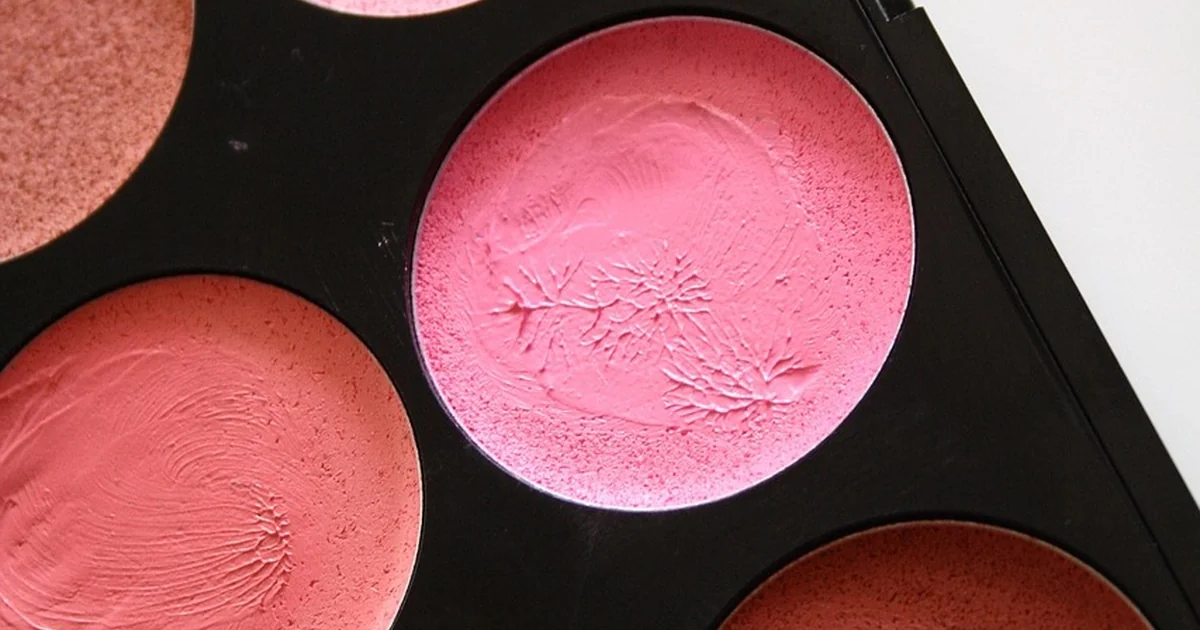
While liquid and powder blushes have their place, cream blush is experiencing a resurgence this spring. The trend toward skin-first beauty has made cream formulas particularly appealing. They melt into the skin, creating a seamless finish that looks like your natural complexion rather than a layer of makeup on top of it.
Ramzy notes that cream blushes offer a unique advantage when it comes to the spring blush trends that prioritize a flushed, healthy appearance. “Cream formulas allow you to build color gradually while maintaining a dewy, skin-like finish,” she explains. They also tend to wear well throughout the day, especially when set with a light dusting of translucent powder.
Application Tips for Cream Blush
For best results, apply cream blush to bare skin or over a lightweight moisturizer. Avoid heavy foundations or powders underneath, as these can interfere with the cream’s ability to blend smoothly. Use your fingertips or a damp beauty sponge to pat the product into the skin. The warmth of your fingers helps the cream melt and diffuse naturally.
Ramzy recommends starting with a small amount and building gradually. “Cream blush can be forgiving, but too much at once can be difficult to blend out,” she says. If you do apply too much, a clean sponge or a touch of concealer can help tone it down without removing all the color.
Layering Techniques for a Custom Flush
One of the most exciting developments in spring blush trends is the emphasis on layering. Rather than relying on a single product, many makeup enthusiasts are combining different formulas and shades to create a custom flush that suits their unique skin tone and desired effect.
You may also enjoy reading: 5 Icy Blue Polish Looks Poised to Take Over Summer 2026.
Ramzy encourages experimentation with layering. “Start with a cream or liquid base, then add a powder blush in a complementary shade on top,” she suggests. This technique not only enhances longevity but also adds depth and dimension. The cream provides a natural, skin-like base, while the powder adds a soft, diffused finish that stays put.
Combining Shades for Dimension
Another layering approach involves using two different blush shades. A neutral, skin-like shade can serve as a base, while a brighter or warmer shade adds a pop of color on the apples of the cheeks. This method creates a more dimensional look than a single shade alone. It also allows you to tailor the intensity to your preference — subtle enough for daytime wear, buildable for evening events.
Ramzy notes that this technique works particularly well for those who struggle with finding a single blush shade that perfectly complements their complexion. “Layering gives you the flexibility to mix and match until you find the exact shade that makes you feel alive,” she says.
Tools That Make a Difference
The tools you use can significantly impact how your blush looks and blends. For cream and liquid blushes, a damp beauty sponge or your fingertips often yield the most natural results. The sponge’s texture helps diffuse the product without absorbing too much, while fingertips add warmth that helps the formula melt into the skin.
For powder blushes, a fluffy, dome-shaped brush allows for even, buildable application. Avoid dense brushes, which can deposit too much product in one area and create harsh lines. Ramzy suggests using a stippling brush for cream blushes as an alternative to fingertips. “A stippling brush gives you more control while still maintaining that airbrushed finish,” she explains.
Blush Placement for Different Face Shapes
Where you place your blush can alter the overall appearance of your face. While trends like the sunburn effect call for specific placement across the nose and upper cheeks, traditional placement can be adapted to flatter your unique face shape. For round faces, applying blush slightly higher on the cheekbones and blending upward toward the temples creates a lifting effect. For square faces, focusing blush on the apples of the cheeks and blending outward softens angular features.
Heart-shaped faces benefit from blush applied to the outer edges of the cheeks, balancing a wider forehead. Oval faces have the most flexibility — almost any placement works, though concentrating blush on the apples of the cheeks tends to look most balanced. Ramzy advises using these guidelines as a starting point rather than strict rules. “Makeup should feel like you, not a formula,” she says.
Long-Lasting Blush: Tips for All-Day Wear
One common challenge with blush is keeping it looking fresh from morning to evening. Layering is the most effective strategy for longevity. Start with a cream or liquid blush, allow it to set for a minute, then apply a powder blush in a similar shade on top. This sandwich technique locks the color in place while maintaining a natural finish.
Setting spray can also help extend wear time. A few spritzes after completing your makeup can seal everything in without altering the finish. For those with oily skin, a translucent powder applied lightly over the blush can absorb excess oil and prevent fading. Ramzy notes that the right primer also makes a difference. “A hydrating or gripping primer creates a better surface for blush to adhere to,” she says.
Embracing the Season’s Spirit
Spring 2026 is shaping up to be a season of bold yet natural beauty. The spring blush trends we have explored here share a common thread: they prioritize a flushed, alive appearance over a heavily made-up look. Whether you prefer the delicate watercolor flush, the sun-kissed sunburn effect, the warm golden hour glow, the skin-like cream blush, or the customized layer approach, there is a style that can make you feel refreshed and radiant.
Ramzy sums it up simply: “Blush is the quickest way to look like you have just taken a deep breath of fresh air.” This spring, let your cheeks do the talking.