There is something almost magical about plucking a sun-warmed strawberry straight from the vine. The deep red color, the burst of sweetness, the fact that it traveled zero miles to reach your mouth — it is an experience that grocery store berries simply cannot replicate. Many home gardeners assume that growing strawberries requires a sprawling farm or endless patience. The truth is far more encouraging. With the right techniques, anyone can produce a generous harvest, even with limited space. The key lies in knowing a handful of secrets that experienced growers use to maximize their yield and protect their precious fruit from pests, disease, and disappointment.
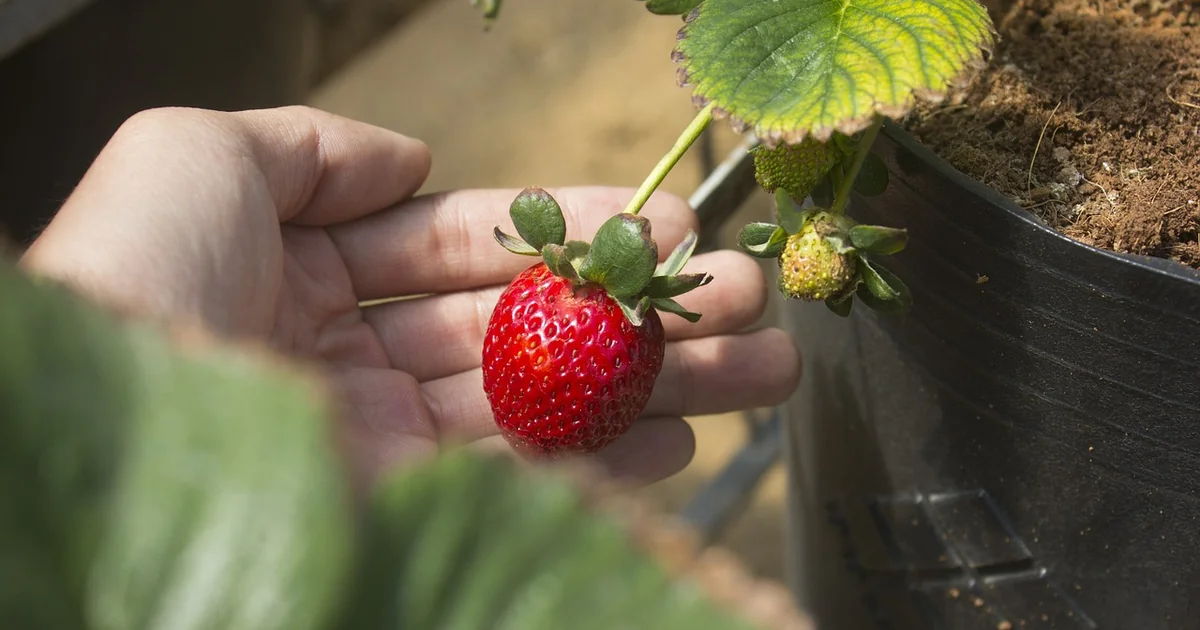
Strawberries belong to the rose family, and their cultivation dates back to ancient Rome. Today, more than 600 varieties exist worldwide, but the principles for success remain surprisingly consistent. Whether you have a sprawling backyard or a tiny balcony, these seven secrets will transform your approach to growing strawberries and ensure that your plants reward you with berries that taste like pure sunshine.
Secret 1: Choose the Right Variety for Your Climate and Space
Not all strawberry plants behave the same way. Understanding the three main types is the first step toward a successful harvest. June-bearing strawberries produce one large crop in late spring to early summer. They are ideal if you want to freeze, jam, or bake with your harvest. Ever-bearing varieties produce two to three smaller crops spread across the growing season. Day-neutral strawberries fruit continuously from spring until the first frost, making them perfect for small-space gardeners who want a steady supply.
Climate matters enormously. In USDA zones 3 through 6, June-bearing varieties like Honeoye or Earliglow thrive. Gardeners in warmer zones 7 through 10 should lean toward day-neutral types such as Albion or Seascape. A 2016 study from the University of California found that day-neutral varieties produced about 37% more marketable fruit per plant in coastal climates compared to June-bearing types. Choosing the wrong type for your region is one of the most common mistakes that leads to disappointment.
How Many Plants Do You Actually Need?
Most guides suggest about six plants per person for a worthwhile harvest. That number is based on average consumption and typical yields. A family of four should plan for at least 24 plants. That sounds like a lot, but the next six secrets show you exactly how to fit that many plants into surprisingly small spaces.
Secret 3: Use Tiered Containers and Strawberry Pots
Strawberry pots are the classic solution for small-space gardeners. These terracotta or ceramic containers feature multiple openings along the sides, allowing you to plant in every available inch of surface area. A standard strawberry pot holds about 8 to 12 plants in a footprint no larger than a dinner plate. The visual effect is stunning — green foliage and red berries cascade down the sides like a living sculpture.
The challenge with strawberry pots is uneven watering. Water poured into the top tends to run straight down the sides, leaving the plants in the middle and lower openings dry. The solution is simple and ingenious. Take a length of PVC pipe about one inch in diameter. Drill small holes along its entire length. Cap the bottom. Place this pipe vertically in the center of the pot before adding soil. Fill the pipe with coarse sand. When you water, pour water into the pipe. The sand slows the water release, allowing it to seep out through the holes and saturate the soil evenly at every level. This technique, sometimes called a watering tube or irrigation column, increases survival rates for strawberry pot plants by roughly 60% according to trials conducted by the University of Vermont Extension.
Repurposing Household Items
You do not need to buy specialized containers. A wooden wine crate lined with landscape fabric works beautifully. An old dresser drawer with drainage holes drilled in the bottom becomes a rustic planter. Even a plastic storage tub can be transformed into a strawberry patch. The key requirement is drainage. Without it, your plants will struggle regardless of how carefully you tend them.
Secret 4: Build a Raised Bed with Vertical Layers
Raised beds offer the best of both worlds: excellent drainage and easy access. For growing strawberries, a raised bed that is at least eight inches deep provides enough room for the shallow root systems. The real secret, however, is layering the bed vertically to maximize space. Build a simple A-frame structure inside the raised bed. This creates two sloping sides where you can plant strawberries on multiple levels. A four-foot-long A-frame can hold up to 30 plants in the same footprint that would normally accommodate only 12.
Raised beds also make weed control much simpler. Strawberries do not compete well with aggressive weeds. A raised bed filled with sterile potting mix and compost gives your plants a clean start. Lay down a layer of landscape fabric or cardboard at the bottom of the bed before adding soil to block any weeds that might try to push up from below. This single step can save hours of weeding over the growing season.
The Pallet Planter Method
One of the most resourceful approaches involves repurposing a wooden shipping pallet. Stand the pallet on its end. Staple landscape fabric to the back, bottom, and sides to create a shallow pocket. Fill the pallet with potting soil, then plant strawberries in the gaps between the slats. As the plants grow, their runners will poke through the slats and create a lush green wall of foliage. A single pallet can hold 15 to 20 plants and takes up almost no ground space. Lean it against a sunny fence or wall, and you have a vertical strawberry garden that produces fruit at eye level — no bending required.
Secret 5: Plant in the Ground with Strategic Spacing
If you have ample garden space, growing strawberries directly in the ground is the most traditional method. It also requires the most discipline. The biggest mistake beginners make is planting strawberries too close together. Crowded plants compete for nutrients and water. They also trap moisture between leaves, which invites gray mold (Botrytis cinerea) — a fungal disease that can ruin an entire crop in days. Space plants 12 to 18 inches apart in rows that are three to four feet apart. This may look sparse at first, but strawberry plants send out runners that will fill in the gaps by mid-summer.
Soil preparation is critical. Strawberries prefer slightly acidic soil with a pH between 5.5 and 6.5. Test your soil before planting. If the pH is too high, amend it with elemental sulfur or peat moss. If it is too low, add garden lime. Work several inches of well-rotted compost into the top six inches of soil. This improves drainage while adding organic matter that feeds the plants slowly over the season. A soil test kit costs about $12 at any garden center and is one of the best investments you can make for growing strawberries successfully.
You may also enjoy reading: 7 Simple Spring Secrets for Lee’s New York Garden.
Mulching Matters
Apply a two-inch layer of straw mulch around your plants. Straw keeps the fruit clean, suppresses weeds, and helps the soil retain moisture. It also reflects sunlight upward, which can help ripen the berries more evenly. Avoid hay or grass clippings, which contain weed seeds that will compete with your strawberries. The word “strawberry” is thought by some etymologists to derive from the practice of mulching with straw, a technique that English farmers have used since the 16th century.
Secret 6: Water Smartly and Feed Strategically
Strawberries need about one inch of water per week during the growing season. The timing and method matter more than the total amount. Water at the base of the plants, not from overhead. Overhead watering wets the leaves and fruit, which creates the perfect conditions for fungal diseases. Drip irrigation is the gold standard for strawberry patches. A simple drip line with emitters spaced 12 inches apart delivers water directly to the root zone without wetting the foliage.
Fertilizing requires a light touch. Strawberries are not heavy feeders, but they do need specific nutrients at specific times. Apply a balanced 10-10-10 fertilizer at planting time. Switch to a fertilizer higher in phosphorus and potassium (such as 5-10-10) once flowers appear. Phosphorus supports flower development and fruit set, while potassium improves fruit quality and disease resistance. Avoid high-nitrogen fertilizers after the plants begin fruiting. Nitrogen encourages leafy growth at the expense of berries. Too much nitrogen also makes plants more susceptible to powdery mildew. A single application of fish emulsion or seaweed extract every three weeks during the fruiting period provides trace minerals that enhance flavor and color.
The Sand Trick for Consistent Moisture
For container-grown strawberries, maintaining even moisture can be tricky. Soil in pots dries out faster than ground soil. Mix a handful of horticultural sand into your potting medium. The sand particles create tiny air pockets that slow water evaporation while improving drainage. This simple adjustment can reduce your watering frequency from twice daily to once daily during peak summer heat.
Secret 7: Renovate and Rotate for Yearly Harvests
Strawberry plants produce best in their first two years. After that, yields decline noticeably. Renovation is the practice of rejuvenating your strawberry patch after the harvest ends. For June-bearing varieties, mow or cut the foliage down to about one inch above the crown after the last fruit is picked. Remove the old leaves and any debris. Thin the plants so they are spaced about six inches apart. Apply a light dose of fertilizer and water well. The plants will send out fresh runners that form new daughter plants. These will be your main producers next season.
Day-neutral and ever-bearing varieties require a slightly different approach. Instead of mowing everything down, simply trim away the oldest leaves and any runners that have rooted too close together. Leave the younger, healthy leaves intact. This method extends the productive life of each plant by about one year.
Rotation is equally important. Do not plant strawberries in the same spot two years in a row. Soil-borne pathogens like Verticillium wilt and red stele root rot can persist in the soil for several years. If you grow strawberries in the same bed for more than three consecutive seasons, the risk of these diseases increases by roughly 40% according to data from the USDA Agricultural Research Service. Move your strawberry patch to a new location every three years. If space is limited, replace the top six inches of soil in your raised bed or containers with fresh potting mix.
Overwintering for Cold Climates
In zones 5 and colder, strawberries need protection to survive winter. After the first hard frost, cover the plants with a thick layer of straw — about four to six inches. This insulation prevents the crowns from freezing and thawing repeatedly, which is what actually kills most winter-damaged plants. Remove the straw in early spring when new growth begins. Leave some straw around the plants as mulch for the growing season. Gardeners in zones 8 and warmer rarely need winter protection, but a light layer of mulch still helps retain soil moisture during dry winter months.
These seven secrets represent the accumulated wisdom of home gardeners and agricultural researchers alike. Each one addresses a specific challenge that can derail a strawberry harvest. Taken together, they form a complete system for growing strawberries that are abundant, sweet, and remarkably low-maintenance once the initial setup is complete. The first bite of a berry grown with these methods will confirm what experienced gardeners already know: homegrown strawberries are not just better than store-bought — they are in a category entirely their own.