Imagine stepping onto your patio or balcony to find a burst of color that returns faithfully each spring. That is the magic of container gardening with plants that live for multiple seasons. Unlike annuals, which require replanting every year, a thoughtfully curated perennial pot garden offers longevity, evolving beauty, and a deeper connection to the natural cycles of growth. It is absolutely achievable, even for those with limited space or challenging climates.
1. Select Plants That Thrive in Confinement
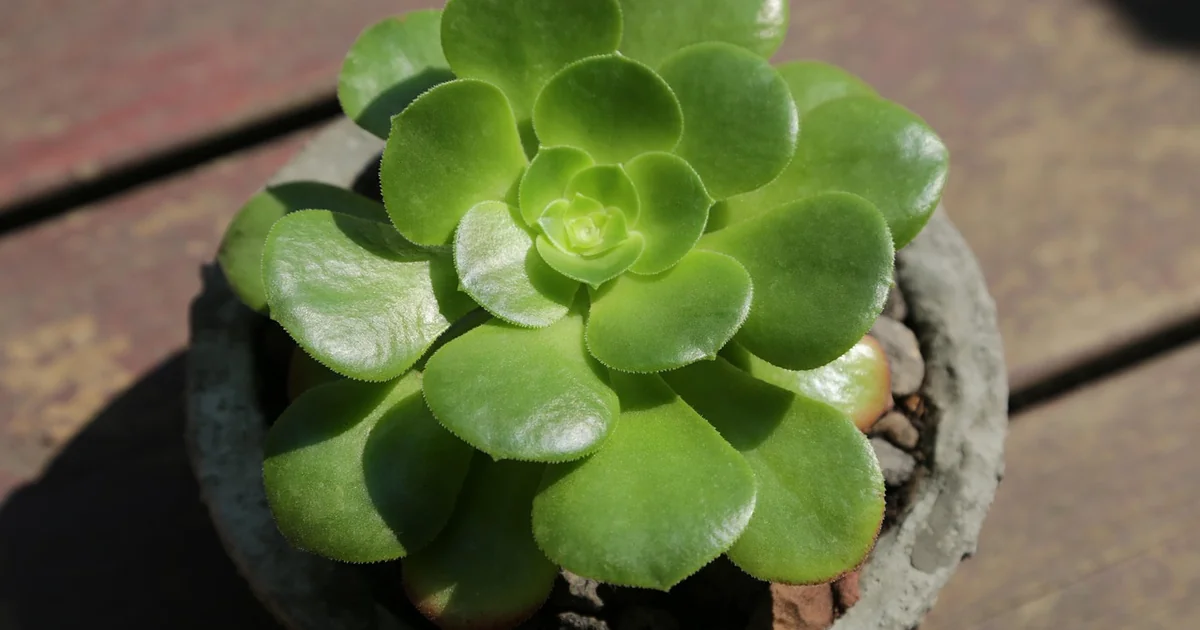
The foundation of any successful container project lies in choosing the right varieties. Not every perennial is suited for life in a pot. Look for compact cultivars and herbaceous options that have naturally smaller root systems. Black-eyed Susans, blanketflower, and low-growing salvias are excellent starting points. Woody herbs like lavender and rosemary also adapt wonderfully to container life. If you have a larger vessel, consider dwarf shrubs or small trees, but always verify they are labeled as container-adaptable. Starting with the right genetics sets the stage for years of success.
Before you head to the nursery, take a moment to research the mature size of the plants you admire. A plant that grows three feet wide in the ground may stay smaller in a pot, but it will still need room to breathe. Choosing naturally compact species reduces the need for constant root pruning and repotting. This initial step transforms what could be a frustrating experiment into a rewarding long-term relationship with your plants.
2. Match Container Material to Watering Needs
The container you choose is more than just a home for your plant. It actively influences soil moisture and root temperature. Plastic planters excel at retaining moisture, making them ideal for perennials that prefer consistently damp soil. On the other hand, terracotta pots and fabric grow bags are porous. They wick away excess moisture and promote air circulation, which is perfect for plants that dislike wet feet.
Glazed ceramic pots offer a beautiful middle ground. They retain moisture better than terracotta while providing a heavy, stable home that resists tipping in windy conditions. Regardless of the material you choose, ensure your container has drainage holes. This is non-negotiable unless you are intentionally creating a bog garden for moisture-loving species. Matching the pot to the plant’s natural preferences reduces stress and helps your garden thrive with less effort.
3. Fill With a Habitat-Mimicking Potting Mix
Soil is not just dirt. It is a living ecosystem that anchors roots and supplies nutrients. A standard potting mix works well for many perennials that prefer semi-rich, well-draining conditions. However, matching your mix to your plant’s native habitat dramatically improves outcomes. Cacti and succulents require a fast-draining, gritty mix that prevents water from pooling around their roots. Wildflowers often thrive in leaner soil that mimics prairie conditions.
Avoid using native garden soil alone in your containers. It compacts easily and hinders drainage, which can lead to root rot. A high-quality potting mix, perhaps amended with perlite or coarse sand, creates the perfect environment for roots to explore and establish. If you are growing acid-loving plants like blueberries or certain ferns, look for a mix specifically formulated for them. Getting the soil right from the start prevents many common problems before they begin.
4. Implement a Seasonal Care Routine
Perennials in containers require a different maintenance rhythm than their in-ground counterparts. They generally need less fertilizer. Excessive feeding can lead to weak, leggy growth and fewer blooms. Instead, focus on regular grooming. Deadheading spent blooms encourages a second flush of flowers and keeps the plant looking tidy. Ornamental grasses should be cut back to a few inches in late winter before new growth emerges.
Woody shrubs benefit from annual pruning to shape them and promote blooming. Staking may be necessary for tall varieties like delphiniums or peonies to prevent them from flopping over. Take time to observe your plants throughout the year. You will notice when they need a trim or a little extra support. Learning these seasonal cues deepens your understanding of the cycles plants go through and makes you a more confident gardener.
5. Divide and Refresh Every Few Years
Even in a spacious container, perennials will eventually outgrow their home. Dividing them every two to three years is essential for maintaining vigor. When you notice the center of the plant dying out or roots circling densely at the bottom of the pot, it is time to act. Early spring or early fall are the best times for this task, as the weather is cool and the plants are less stressed.
You may also enjoy reading: 5 Pro Tips to Grow and Care for Leyland Cypress.
Gently remove the plant from its container and tease apart the root ball into smaller sections. Discard the old, woody center pieces and replant the healthiest divisions with fresh potting mix. This process not only rejuvenates the original plant but also gives you new plants to expand your perennial pot garden or share with friends. It is one of the most rewarding tasks in container gardening because it extends the life of your collection indefinitely.
6. Develop an Overwintering Strategy
One of the biggest concerns for container gardeners in cold climates is root survival. Unlike in-ground roots, which are insulated by the earth, container roots are exposed to freezing air on all sides. To protect your investment, group your pots together in a sheltered location. A spot against a foundation wall or inside an unheated garage works well. Wrapping pots in bubble wrap or burlap provides an extra layer of insulation against extreme cold.
For marginally hardy perennials, consider moving them to a cold frame or an unheated basement. A thick layer of mulch on the soil surface also helps moderate temperature swings. Even if you live in a region with mild winters, a little protection goes a long way. Taking these steps ensures that your plants emerge healthy and vigorous when spring returns. It is a small effort that pays off with years of continued growth.
7. Design for Continuous Bloom and Texture
A truly captivating perennial pot garden offers interest across multiple seasons. Combine early bloomers like creeping phlox with mid-summer stars like coneflowers and late-season performers like sedum. Incorporate different foliage textures. The fine leaves of threadleaf coreopsis contrast beautifully with the broad leaves of hostas. Think about height, placing taller plants like Russian sage at the back or center, and trailing plants like creeping Jenny over the edges.
By layering bloom times and textures, you create a miniature landscape that evolves gracefully from spring through fall. Even a single container can become a focal point that draws the eye and sparks conversation. Do not be afraid to experiment with color combinations and unusual plant pairings. The beauty of a container garden is that it is easy to rearrange and refresh. Each season brings new opportunities to refine your design and express your personal style.
Building a perennial pot garden is a journey of discovery. It invites you to observe the subtle shifts of the seasons and learn the unique personality of each plant. The initial effort of selecting the right pot, soil, and variety pays dividends for years, transforming your porch, patio, or balcony into a living tapestry of color and life. Start with a single pot, and you will likely find yourself creating a whole collection.