After a long, snowy winter in Pennsylvania, the first blooms that push through the soil feel like a quiet celebration. For gardeners who crave a calm, cohesive look, nothing sets the tone quite like a cool-toned color scheme. Blue and purple flowers bring a sense of peace to the landscape that hot pinks or bright yellows simply cannot match. They cool down the eye and make the garden feel larger, deeper, and more intentional.
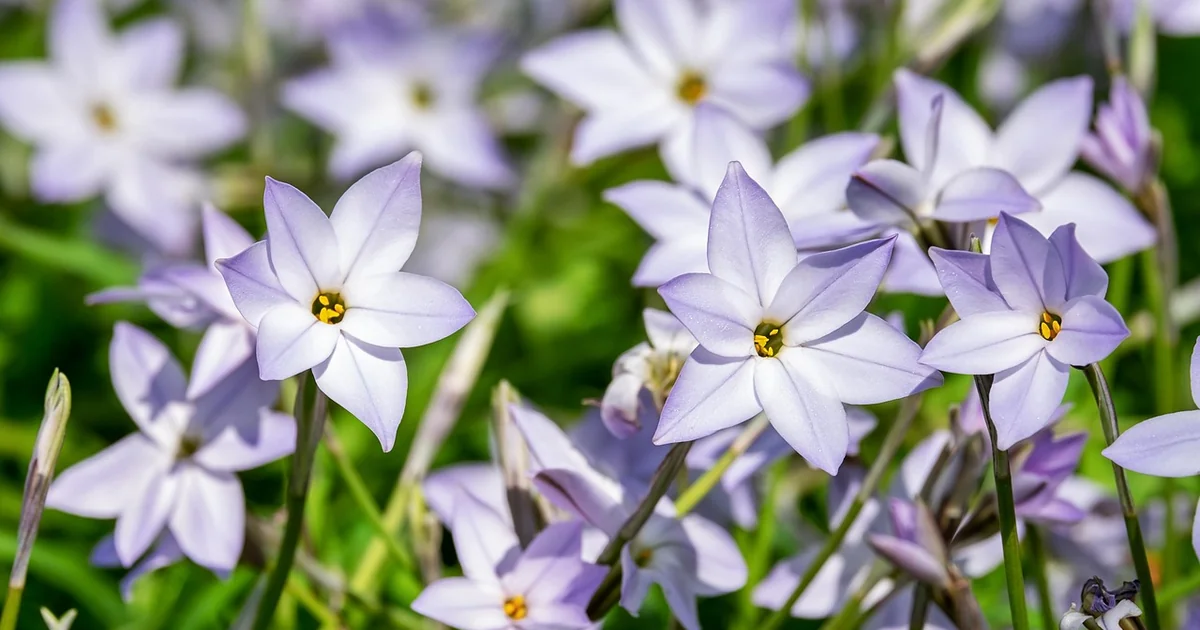
One gardener who has mastered this approach is Dot Lenahan in Broomall, Pennsylvania, located in Zone 7b. When she first shared her garden a couple of years ago, it had only three years of growth. Now, her beds have matured into a stunning tapestry of blue purple spring flowers. She has been redoing many beds and adding two new areas for perennials and cutting flowers. The result is a garden that feels both established and full of promise.
If you are dreaming of a similar look, you do not need a massive property or decades of experience. With the right plant choices and a bit of patience, you can create a blue-purple spring garden that thrives in your own backyard.
1. Allium: The Architectural Purple Sphere
Alliums are among the easiest bulbs to grow, and they deliver a dramatic punch of purple in late spring. Their globe-shaped flower heads can reach 4 to 6 inches across, sitting atop sturdy stems that rise 2 to 3 feet tall. They are a favorite in Dot’s “add-on” garden, where they provide vertical interest and a bold color statement.
One of the best things about alliums is that deer and rabbits tend to avoid them. If you have furry visitors like Dot’s dog Jack chasing rabbits that have eaten two rose bushes, alliums can be a reliable alternative. They are also drought-tolerant once established, making them low-maintenance for busy gardeners.
For a continuous bloom sequence, plant allium bulbs in fall alongside early-blooming daffodils. The daffodils fade just as the alliums reach their peak, creating a seamless transition from yellow to purple. This kind of layering is what turns a simple garden into a thoughtful composition.
2. Larkspur: The Tall Blue Spike
Larkspur is a classic cottage-garden flower that delivers a bright, true blue that is hard to find in many perennials. In Dot’s garden, a bright blue larkspur glows against the green foliage, drawing the eye upward. It is an annual in most zones, but it self-seeds reliably, returning year after year if you leave a few seed heads to drop.
The challenge with larkspur is its delicate stems. Strong winds or heavy rain can flatten the tall spikes. To solve this, plant larkspur in a sheltered spot or among sturdy perennials like peonies or catmint that can offer support. You can also use grow-through rings or bamboo stakes for extra stability.
For a cutting garden, larkspur is a superstar. The stems hold up well in a vase, and the color pairs beautifully with white or pale pink blooms. If you are adding new cutting areas like Dot is doing, larkspur deserves a prominent spot.
3. Clematis ‘Nelly Moser’: The Striking Vine
Clematis is the queen of climbing vines, and ‘Nelly Moser’ is one of the most beloved varieties. Its large, pale mauve flowers feature a deep pink central bar, giving each bloom a striped, almost painted appearance. Dot grows this clematis against a trellis, where it produces a cascade of purple-tinged flowers in late spring.
One common mistake with clematis is planting it too deep or in the wrong light. ‘Nelly Moser’ prefers its roots in cool, shaded soil while its foliage reaches for the sun. A simple trick is to plant a low-growing perennial or a shallow-rooted annual at the base of the clematis to keep the soil temperature down. You can also place a flat stone over the root zone.
Pruning ‘Nelly Moser’ is straightforward. It blooms on old wood, so you only need to remove dead or weak stems in early spring. If you prune too hard, you will lose the flowers for that season. This clematis is a long-lived plant that can thrive for 20 years or more with minimal care.
4. Verbascum: The Arching Spire
Verbascum, also known as mullein, is a biennial or short-lived perennial that produces tall spires of flowers in shades of purple, blue, and yellow. In Dot’s garden, a lovely verbascum arches gracefully over neighboring plants, adding a soft, airy quality to the border. It is not as common as allium or larkspur, which makes it a conversation starter among gardening friends.
The key to verbascum success is well-drained soil and full sun. It does not tolerate wet feet, especially in winter. If your soil is heavy clay, consider planting verbascum in a raised bed or a sunny slope where water drains quickly. It also self-seeds readily, so you will often find new volunteers popping up in unexpected places.
One of the lesser-known facts about verbascum is that its leaves were historically used as a natural remedy for coughs and sore throats. The soft, fuzzy foliage was also used as a makeshift candle wick in ancient times. While you may not need those uses today, it is nice to know your garden plants have a rich history.
5. Dianthus gratianopolitanus ‘Bath’s Pink’: The Low-Growing Pink
Despite its name, ‘Bath’s Pink’ produces delicate pink flowers that lean toward a soft mauve-purple, fitting perfectly into a blue-purple theme. This dianthus forms a low, spreading mat of evergreen foliage that stays attractive year-round. It blooms heavily in spring, then repeats sporadically through summer if you deadhead spent flowers.
This plant is a champion for the front of the border or the edge of a pathway. It tolerates poor soil, drought, and even a bit of foot traffic. In Dot’s garden, ‘Bath’s Pink’ grows alongside phlox, creating a layered effect of low and medium heights.
One of the best things about dianthus is its clove-like fragrance. On a warm spring day, the scent can be intoxicating. Plant it near a bench or a frequently used path so you can enjoy the aroma as you pass by.
6. Phlox: The Carpet of Color
Creeping phlox is a spring essential for any gardener who wants a carpet of blue or purple flowers. It forms a dense mat of foliage that is completely covered in blooms for several weeks. Dot uses phlox in her garden to fill gaps between larger perennials and to soften the edges of her beds.
There are many cultivars of creeping phlox, but ‘Emerald Blue’ and ‘Purple Beauty’ are two excellent choices for a blue-purple palette. They spread quickly but are not invasive, making them easy to control. If you want to propagate more plants, simply dig up a small clump in early fall and replant it elsewhere.
Phlox is also a pollinator magnet. Bees and butterflies flock to the flowers in early spring when few other nectar sources are available. By including phlox in your garden, you are supporting local pollinators at a critical time of year.
7. Clematis (Other Varieties): Extending the Purple Season
Beyond ‘Nelly Moser’, there are many clematis varieties that bloom in shades of blue and purple. Dot’s garden features a clematis about to bloom at the time of her update, adding anticipation to the spring display. Varieties like ‘Jackmanii’ (deep purple), ‘The President’ (rich blue), and ‘Blue Angel’ (pale lavender) can extend the bloom season from late spring into early summer.
You may also enjoy reading: 7 Ways to Mix Sunflowers and Zinnias for a Pollinator Paradise.
One of the challenges with multiple clematis vines is managing their growth on a single trellis or fence. A practical solution is to give each vine its own support structure, or to train them in opposite directions so they do not compete for space. You can also plant different varieties that bloom at different times, ensuring a continuous show.
Clematis roots are sensitive to heat and drying winds. A layer of mulch around the base helps keep the soil cool and moist. If you live in an area with hot summers, like parts of Zone 7, this extra step can make the difference between a thriving vine and a struggling one.
How to Protect Your Blue and Purple Blooms from Deer and Rabbits
Dot’s dog Jack patrols the garden for deer and rabbits, but not everyone has a four-legged guardian. If you are dealing with these pests, there are several strategies you can use to protect your blue purple spring flowers without harming your plants or pets.
Physical barriers are the most reliable option. A 4-foot-tall fence keeps rabbits out, while deer require a fence at least 8 feet tall. For smaller areas, you can use wire cloches or mesh netting around individual plants. These are especially useful for protecting young larkspur and verbascum seedlings.
Repellents are another tool. Spray-on products containing putrescent egg solids or garlic oil create an odor that deters deer and rabbits. Reapply after rain for consistent protection. Some gardeners swear by human hair or soap shavings scattered around the garden, though results vary.
Plant selection also matters. While no plant is completely deer-proof, alliums, clematis, and verbascum are less appealing to these animals. Dianthus and phlox are sometimes nibbled but often recover quickly. By choosing resilient plants, you reduce the amount of active protection your garden needs.
Building a Blue-Purple Garden from Scratch: A 3-Year Plan
When Dot first shared her garden, it had only three years of growth. That timeline is realistic for most gardeners. In the first year, focus on soil preparation and planting the backbone perennials like clematis and allium bulbs. Add annuals like larkspur for immediate color while the perennials establish.
In the second year, the perennials will be larger, and the alliums will multiply. You can add verbascum and dianthus to fill gaps and create layers. By the third year, your garden should have a cohesive look, with blue and purple blooms creating the serene atmosphere you envisioned.
One mistake many new gardeners make is planting too close together. Perennials need room to spread. A good rule of thumb is to space plants at half their mature width. For example, if a phlox cultivar spreads 24 inches, plant it 12 inches apart. This gives you a full look in the second year without overcrowding later.
Why Cool-Toned Gardens Feel More Relaxing
Color psychology plays a role in how we experience outdoor spaces. Blue and purple are on the cool end of the spectrum, and they are associated with calmness, stability, and introspection. A garden dominated by these colors can feel like a retreat from the busy world. It is no coincidence that many meditation gardens and spa landscapes use lavender, blue salvia, and purple allium.
If you want to enhance this effect, pair your blue purple spring flowers with silver or gray foliage plants like lamb’s ear, artemisia, or dusty miller. The soft tones of the foliage echo the coolness of the flowers and add texture even when blooms are not present. Dot’s garden achieves this balance by mixing phlox and dianthus with the architectural leaves of verbascum.
The Joy of Sharing Your Garden with Others
One of the most rewarding parts of gardening is sharing your progress with a community. Dot has submitted updates over the years, and each one shows how her garden has evolved. If you have photos of your own blue purple spring flowers, consider sharing them with a garden photo blog or social media group. You never know whose day you might brighten or who you might inspire.
Gardeners love to hear stories about successes, failures, and funny moments. Dot’s dog Jack chasing rabbits is a perfect example of the unexpected drama that unfolds in a garden. These stories make the hobby feel alive and connected.
If you want to document your garden’s growth, take photos from the same spot each month. After a few years, you will have a visual timeline that shows how your blue-purple theme developed. It is a satisfying way to see the results of your hard work.