You step outside with your morning coffee, hoping for a gentle floral greeting, but the jasmine you planted near the patio is utterly silent. It holds its perfume close, waiting for dusk. That is the magic — and the frustration — of gardening with scent. Most of us choose plants based on how they look in a catalog photo, not when they decide to share their fragrance. But with a little planning, you can orchestrate a garden that delivers a specific aroma at exactly the hour you need it most.
Why Timing Your Garden’s Scent Matters More Than You Think
Every plant follows an internal schedule. This rhythm is not random. It evolved to match the activity patterns of specific pollinators. Morning blooms release light, citrusy or sweet terpenes to attract bees that start foraging at sunrise. Evening flowers save their heavy, musky essential oils for moths and bats that navigate by starlight. When you understand this schedule, you stop guessing and start designing.
Imagine planting a moonflower vine next to your bedroom window. It does nothing all day. Then, around 8 p.m., it unfurls and releases a scent so potent it drifts through an open window. That is a targeted fragrance delivery system. Conversely, if you only sit in your garden after dinner, a morning-glory that smells like honey at 7 a.m. is a wasted opportunity. By selecting fragrant plants by time of peak potency, you align your garden’s perfume with your daily life.
There is also a psychological layer. Research from the University of Queensland in 2019 found that certain scents can shift your brainwave patterns within minutes. Morning aromas like lemon balm and sweet alyssum contain compounds that increase alertness. Evening scents like night-blooming jasmine contain linalool, a molecule that promotes relaxation. You are not just smelling flowers — you are chemically cueing your nervous system to wake up or wind down.
Morning: The Sharp, Uplifting Wake-Up Call
Early light is thin, and the air is cool. These conditions favor delicate, volatile fragrance molecules that evaporate quickly. Morning-blooming plants produce scents that are crisp, citrusy, or honeyed — designed to travel on the gentle breeze of dawn. If you want to start your day with energy, these are your allies.
Sweet Alyssum (Lobularia maritima)
This low-growing carpet of tiny white flowers smells exactly like fresh honey. It releases its strongest perfume between 6 a.m. and 10 a.m. Plant it along a path you walk to the car or near the back door. The scent is light but persistent. One study from the University of California found that sweet alyssum’s fragrance contains 37 distinct volatile compounds, most of which peak in concentration during the first four hours of daylight. It is a powerhouse for morning mood.
Lemon Balm (Melissa officinalis)
Crush a leaf between your fingers and you get a sharp, clean lemon scent that wakes up your senses. Unlike many fragrant plants by time of day, lemon balm releases its aroma continuously when brushed, but the essential oil content is highest just after sunrise. The leaves contain citronellal and geranial, compounds that have been shown to reduce anxiety while improving focus. Plant it near a bench where you sit with your morning tea. Brush the leaves as you sit down.
Heliotrope (Heliotropium arborescens)
This old-fashioned annual smells like vanilla, cherry pie, and baby powder combined. It blooms all day, but the fragrance is strongest in the cool morning air. Heliotrope contains heliotropin, a compound used in perfumery for over a century. It is also a magnet for butterflies, which begin feeding early. Place it in a container near a sunny kitchen window so the scent drifts inside while you make breakfast.
Honeysuckle (Lonicera periclymenum)
The common honeysuckle vine releases its sweet, heady perfume most powerfully between dawn and mid-morning. It is a favorite of hummingbirds, which feed early. The flowers produce nectar with a sugar concentration of about 22% — one of the highest among garden vines. Train it over an archway you pass through on your way to the garden. The scent will hit you in a wave as you duck under the blossoms.
Midday: The Resinous, Grounding Anchor
As the sun climbs and temperatures rise, delicate morning scents evaporate. The heat draws out heavier, resinous oils from plants that thrive in full sun. These are the scents of Mediterranean hillsides — warm, herbal, and calming. They help you stay grounded during the busiest part of your day.
Lavender (Lavandula angustifolia)
Lavender’s fragrance is not a morning scent or an evening scent — it is a heat-activated scent. The essential oil glands in its flower spikes open fully when the temperature reaches about 77°F (25°C). In a 2018 study published in the journal Frontiers in Behavioral Neuroscience, participants who inhaled lavender essential oil for five minutes showed a 20% reduction in cortisol levels. Plant a row of lavender along a sunny patio edge. The scent will intensify as you eat lunch outside.
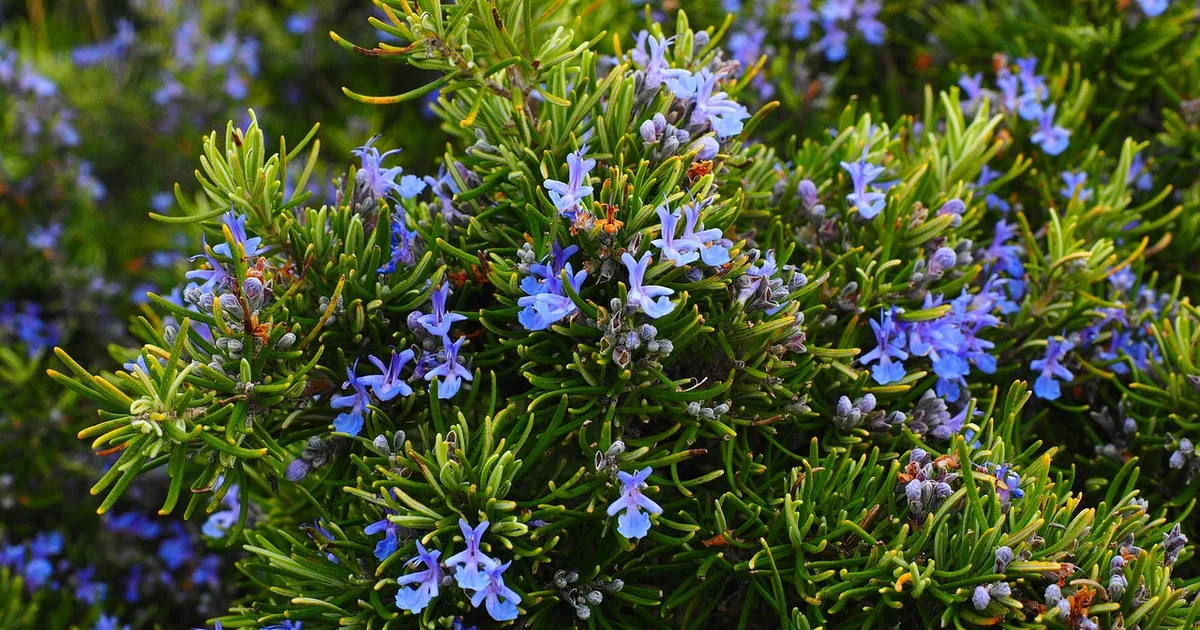
Rosemary (Salvia rosmarinus)
Like lavender, rosemary releases its pine-like, camphoraceous aroma most strongly in midday heat. It contains 1,8-cineole, a compound that improves concentration and memory recall. In one experiment, students in a rosemary-scented room performed 5-7% better on memory tests than those in an unscented room. Plant rosemary in a pot near your outdoor workspace or grill. Brushing against it releases a fresh burst of focus.
Catmint (Nepeta faassenii)
This low-maintenance perennial smells like a mix of mint and lavender. It flowers from late spring through fall, and its fragrance peaks around noon. Catmint contains nepetalactone, a compound that repels mosquitoes while attracting bees. It is an excellent choice for seating areas where you want fragrance without attracting stinging insects. The leaves release scent when touched, so plant it along the edge of a path.
Pelargonium (Scented Geranium)
Scented geraniums come in dozens of varieties: rose, lemon, peppermint, chocolate mint, and even cola. Their leaves hold essential oils that release when brushed. The heat of midday intensifies these oils. A single plant can perfume an entire corner of a deck. They are also drought-tolerant, making them ideal for hot, sunny spots where other plants struggle. Place one near a gate you open frequently.
Afternoon: The Warm, Spicy Transition
Late afternoon is a liminal time. The heat of the day begins to soften, but the sun is still strong. Some plants save their most complex fragrances for this window — scents that are spicy, fruity, or slightly sweet. These aromas signal the shift toward evening and relaxation.
Dianthus (Dianthus caryophyllus)
Commonly called carnations or pinks, dianthus flowers smell like cloves and vanilla. Their fragrance intensifies in the late afternoon as the day cools slightly. The scent contains eugenol, the same compound found in clove oil. Plant dianthus in a border near a bench where you sit after work. The spicy aroma helps transition your mind from task mode to rest mode.
Phlox (Phlox paniculata)
Garden phlox produces large clusters of flowers that smell sweet and slightly grape-like. It blooms from mid-summer into fall, and its fragrance is strongest in the late afternoon and early evening. Phlox is a favorite of swallowtail butterflies, which feed at this time. Plant it in a sunny bed near a window you open in the evening. The scent will drift inside as you cook dinner.
Mock Orange (Philadelphus coronarius)
Mock orange smells remarkably like orange blossoms — sweet, citrusy, and slightly creamy. It blooms for only about two to three weeks in late spring, but during that window, its fragrance dominates the garden. The scent peaks in the late afternoon. One shrub can perfume an entire yard. Plant it near a patio or deck where you entertain. Guests will notice the aroma as they arrive.
Evening: The Heavy, Romantic Embrace
As the sun sets and humidity rises, the air becomes still. Scent molecules hang in the air longer because there is less wind to disperse them. Evening-blooming plants produce the most intense fragrances of all — thick, sweet, musky, and intoxicating. These are the scents of romance, relaxation, and night gardens.
Night-Blooming Jasmine (Cestrum nocturnum)
This plant is the undisputed champion of evening fragrance. Its small, tubular greenish-white flowers open at dusk and release a scent so powerful it can be detected from 50 feet away. The fragrance contains benzyl acetate, indole, and methyl anthranilate — the same compounds found in jasmine perfume. One plant near a bedroom window can fill an entire room with scent. It is a tropical plant, hardy only in zones 8-11, but it thrives in a container that can be moved indoors in colder climates.
Moonflower (Ipomoea alba)
Moonflower is a relative of the morning glory, but it blooms at the opposite end of the day. Its large white flowers unfurl in about two minutes at sunset, releasing a sweet, almond-like fragrance. The flowers are pollinated by hawk moths, which feed at twilight. Train moonflower up a trellis near a seating area. The sight of the flowers opening is as dramatic as the scent.
Flowering Tobacco (Nicotiana alata)
This old-fashioned annual opens its star-shaped flowers in the evening and releases a sweet, jasmine-like fragrance. Unlike many fragrant plants by time of day, nicotiana continues to produce scent all night long. It self-seeds readily, so once you plant it, it will return year after year. Plant it in a moon garden — a bed planted with white flowers and silver foliage that glows in the dark.
Angel’s Trumpet (Brugmansia)
This tropical shrub produces enormous trumpet-shaped flowers that hang downward like bells. The fragrance is sweet, citrusy, and slightly narcotic — so potent that it can cause drowsiness if inhaled for long periods. Angel’s trumpet blooms from summer through fall, with the strongest scent released after sunset. It is toxic if ingested, so plant it away from children and pets. Place it near a patio where you sit in the evening but do not touch the flowers.
You may also enjoy reading: 5 Signs Your Gardening Zone Matters More.
Night: The Deep, Mysterious Perfume
Late night in the garden belongs to the moths. These nocturnal pollinators are drawn to white or pale flowers that reflect moonlight and to heavy, sweet fragrances that travel far in still air. If you enjoy sitting outside after dark, these plants will create an atmosphere of mystery and calm.
Gardenia (Gardenia jasminoides)
Gardenia is famous for its creamy white flowers and intoxicating scent, which is strongest at night. The fragrance contains more than 40 volatile compounds, including jasmone and linalool. Gardenias are finicky plants — they need acidic soil, consistent moisture, and partial shade — but the payoff is worth the effort. Plant one in a container near a seating area where you can enjoy its perfume without battling its picky nature in the ground.
Evening Primrose (Oenothera biennis)
Evening primrose opens its yellow flowers in the late afternoon and releases a lemony, slightly peppery scent that intensifies after dark. The flowers are pollinated by hawk moths and sphinx moths. Evening primrose is a biennial, meaning it flowers in its second year, but it self-seeds freely. Plant it in a wildflower meadow or a naturalized area where it can spread.
Four O’Clocks (Mirabilis jalapa)
These cheerful plants get their name because they typically open around 4 p.m. — but on cloudy days, they open earlier. Their trumpet-shaped flowers come in shades of pink, yellow, white, and magenta, and they release a sweet, citrusy fragrance that lasts all night. Four o’clocks are easy to grow from seed and bloom from summer until frost. Plant them near a doorway so you smell them as you come home after dark.
Stock (Matthiola incana)
Stock produces spikes of flowers that smell like cloves and honey. The fragrance is strongest in the evening and on cool, cloudy days. Stock is a cool-season annual that thrives in spring and fall. Plant it in containers near a patio where you entertain in the evening. The scent is strong enough to compete with barbecue smoke.
How to Layer Fragrant Plants by Time for Continuous Scent
Now that you know which plants perform at which hours, the next step is to layer them so the perfume never stops. Think of your garden as a stage. Each plant has a solo — its peak fragrance window. Your job is to arrange them so one solo ends as another begins.
Create Scent Zones
Identify the areas of your garden where you spend the most time at different hours. The back door is a morning zone. The patio is a lunch zone. The deck is an evening zone. Plant morning-scented plants near the back door, midday plants near the patio, and evening plants near the deck. This way, you always encounter the right scent at the right time.
Use Containers for Flexibility
Containers let you move fragrant plants by time of day to wherever you happen to be. Place a pot of night-blooming jasmine on a rolling plant caddy. Roll it onto the patio at sunset and back into a sheltered corner during the day. This is especially useful for renters or people with small spaces.
Consider Microclimates
A south-facing wall absorbs heat during the day and releases it at night. This microclimate can extend the fragrance window of evening-blooming plants by keeping them warm after sunset. Conversely, a north-facing spot stays cool and may delay the opening of morning flowers. Study your garden’s microclimates and match plants to them.
Plant in Drifts for Impact
A single lavender plant smells nice. A drift of ten lavender plants creates a wave of scent that you can smell from across the yard. When selecting fragrant plants by time of day, plant them in groups of at least three to five. The concentration of volatile compounds increases exponentially with more plants.
Common Mistakes When Planning a Fragrance Garden
Even experienced gardeners make errors when designing for scent. Here are the most frequent pitfalls and how to avoid them.
Planting Too Far from High-Traffic Areas
Fragrance is wasted if you never walk past the plant. Place strongly scented plants within three feet of paths, doors, windows, and seating areas. A gardenia at the back of a border may as well be invisible. A gardenia next to your front door changes your entire arrival experience.
Ignoring Wind Patterns
Prevailing winds can carry scent away from your seating area or trap it against a wall. Observe your garden on a breezy day. Note where the wind comes from and where it goes. Plant evening-scented plants on the downwind side of your patio so the breeze carries the perfume toward you.
Overpowering the Senses
Too many strong fragrances competing at once can create a confusing, cloying effect. Stick to one or two dominant scents per zone. Let morning be citrus, midday be herbal, and evening be floral. Your brain will register each shift as a distinct experience rather than a muddle.
Forgetting About Allergies
Some fragrant plants, like jasmine and gardenia, produce pollen that can trigger allergies in sensitive individuals. If you or a family member has allergies, choose plants with low-pollen flowers or those that are primarily fragrant from leaves rather than blooms. Lavender, rosemary, and scented geraniums are excellent low-allergen options.