Growing a vibrant, overflowing hanging basket can feel like a rewarding but demanding task – until you realize it doesn’t have to be. The truth is, a significant portion of the struggle stems from constantly battling dryness and nutrient depletion. But what if you could create a hanging basket ecosystem that thrives with minimal intervention? It’s entirely possible, and the key lies in strategic preparation and the incorporation of a few carefully chosen “magic ingredients.” These aren’t about complicated techniques or rare plants; they’re about understanding the fundamental needs of your hanging basket and providing them consistently. Let’s dive in and discover how to create a low-maintenance hanging basket that delivers still-brilliant results – more blooms for less effort, and plants that flower all summer long.
1. Coconut Coir: The Moisture Maestro
The most immediate challenge facing any hanging basket is rapid water loss. Unlike soil planted in the ground, a hanging basket is exposed to the full force of the elements – scorching sun, whipping winds, and torrential rain – all without the buffering effect of surrounding earth. This creates a volatile environment where the soil can swing wildly between bone-dry and waterlogged, causing significant stress on the plants. Think of it like a marathon runner: they need consistent hydration, not a massive gulp followed by a prolonged drought. Coconut coir addresses this precisely. It’s a byproduct of the coconut industry, incredibly versatile, and a surprisingly effective moisture regulator. But it’s more than just a good idea; it’s backed by science. Research by the Royal Horticultural Society, for instance, demonstrated that plants in consistently moist conditions produced significantly more blooms than those experiencing fluctuating moisture levels. Specifically, a study on petunias in 12-inch baskets showed that delivering 12 fluid ounces of water daily yielded the same flower production as 34 fluid ounces – simply because the latter resulted in excessive runoff. This highlights a crucial point: plants thrive on regular hydration, not infrequent, massive doses. Coconut coir, with its ability to absorb and slowly release water, helps maintain that consistent level.
You can find coconut coir in various forms – dehydrated bricks, compressed pellets, and even pre-mixed potting soils. A standard brick will yield approximately 20 liters of coir when rehydrated, providing ample material for several hanging baskets. Adding about 25-50% coconut coir to your general potting mix is a fantastic starting point. Don’t just throw it in; thoroughly mix it in to ensure even distribution. Furthermore, coconut coir isn’t just a moisture retainer; it also acts as a gentle mulch, improving soil aeration and preventing the surface from drying out too quickly. It’s a win-win!
Interesting Fact: Did you know that coconut coir is naturally pH neutral, making it suitable for a wide range of plants? Unlike some other soil amendments, it doesn’t drastically alter the soil’s acidity, allowing you to grow a diverse selection of flowers and foliage in the same hanging basket.
2. A Strategic Drip Pan – Preventing Root Rot
While the beauty of a hanging basket is its suspended nature, that very characteristic presents a potential risk: root rot. Without the support of surrounding soil, the roots are more exposed to moisture and can easily become waterlogged, particularly if a drip pan is oversized and covers the entire base of the basket. The key here is to create a small reservoir rather than a full-coverage pool. A drip pan acts as a collection point for excess water, preventing it from continuously saturating the soil. This isn’t about preventing watering; it’s about preventing overwatering. A drip pan can be as simple as a small, shallow saucer placed underneath the basket, allowing the water to slowly seep back into the soil as needed. Aim for a diameter slightly smaller than the basket’s base – approximately 5 to 7 inches is often ideal. The depth should be only 1-2 inches. Don’t let the pan touch the base of the basket; create a small gap for airflow. This subtle adjustment can dramatically reduce the risk of root rot and ensure your plants stay healthy and thriving.
Mini Payoff: Investing in a drip pan is a small investment that yields significant returns in terms of plant health and reduced maintenance. You’ll spend less time worrying about soggy roots and more time enjoying your beautiful, blooming hanging basket.
3. Continuous-Release Plant Food: Sustained Nutrition
Unlike liquid fertilizers, which need to be applied frequently, continuous-release plant food provides a steady stream of nutrients over an extended period – typically six months or more. This reduces the frequency of feeding and ensures your plants receive a consistent supply of essential elements. Liquid fertilizers, while effective in the short term, are less efficient because a significant portion of the nutrients is lost through runoff. The constant application required with liquid fertilizer also disrupts the root system, stressing the plants. Continuous-release pellets or granules are slow-releasing, providing a gradual and balanced diet for your plants. Look for a formula specifically designed for flowering plants, containing a balanced ratio of nitrogen, phosphorus, and potassium. When planting, incorporate the granules into the potting mix according to the manufacturer’s instructions. Then, simply water as usual – the plant food will slowly release nutrients as the soil dries out. This method is far more convenient and efficient than regular liquid feeding, freeing up your time and ensuring your plants receive the nourishment they need to flourish.
Sign-up Incentive: Sign up for our Gardening Know How newsletter today and receive a free copy of our e-book, “How to Grow Delicious Tomatoes,” brimming with expert tips and tricks for successful home gardening.
You may also enjoy reading: 7 Tasty Raspberry Types to Harvest This Season.
4. Choosing the Right Plants: A Foundation for Success
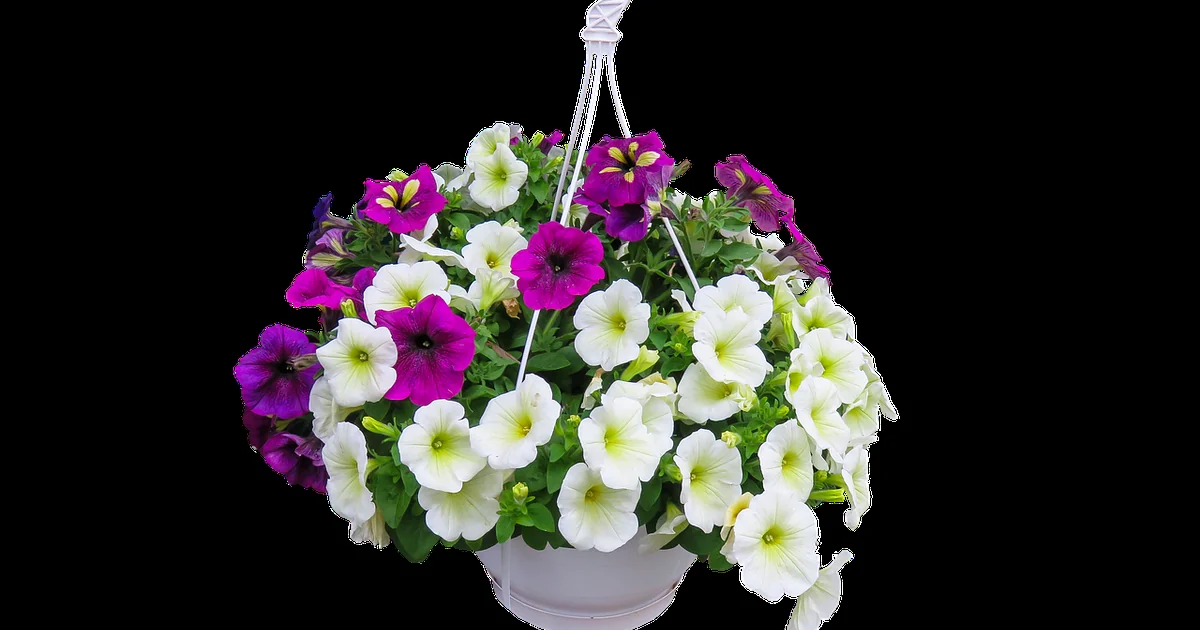
Selecting plants that are well-suited to the hanging basket environment is paramount to low-maintenance success. Not all plants thrive in the exposed conditions of a hanging basket. Consider factors like sun exposure, watering needs, and overall growth habit. Plants that prefer consistent moisture, such as begonias, impatiens, and fuchsias, are excellent choices. Trailing varieties, like petunias and calibrachoa, add a beautiful cascading effect. Avoid plants that require deep root systems or are prone to wilting in hot, dry conditions. Research the specific requirements of each plant you choose to ensure they are compatible with the hanging basket environment. A successful combination is key to a thriving, low-maintenance display.
5. The Importance of Drainage – Beyond the Drip Pan
While a drip pan helps manage excess water, adequate drainage is equally crucial. Ensure your hanging basket has sufficient drainage holes to prevent water from accumulating at the bottom. If the basket doesn’t have drainage holes, drill some – typically 3-4 holes spaced evenly around the bottom. This allows excess water to escape, preventing root rot. Don’t overfill the basket with soil; leave about an inch of space between the soil surface and the rim. Overfilling can restrict airflow and impede drainage. Regularly check the drainage holes to ensure they aren’t clogged with soil or debris.
6. Regular, Gentle Watering – Less is More
Contrary to popular belief, hanging baskets don’t require constant soaking. Overwatering is a far more common problem than underwatering. Allow the top inch of soil to dry out before watering thoroughly. Stick your finger into the soil to check the moisture level – if it feels dry to the touch, it’s time to water. When watering, water deeply until water drains from the drainage holes. This ensures that the entire root zone is moistened. Avoid frequent, shallow watering, which can lead to dry soil and stressed plants. A little patience goes a long way in maintaining healthy, vibrant hanging baskets. This applies to most hanging basket plants – these prefer a steady supply of moisture, rather than large amounts.
7. Seasonal Adjustments – Adapting to the Weather
Like any garden, hanging baskets require seasonal adjustments. During hot, dry weather, you’ll need to water more frequently. During cooler, wetter periods, reduce watering to prevent root rot. Monitor the weather forecast and adjust your watering schedule accordingly. In the autumn, as temperatures drop, reduce fertilizer applications to allow the plants to prepare for dormancy. A little observation and adaptation can make a significant difference in the overall health and longevity of your hanging baskets.
Concluding Note: Creating a low-maintenance hanging basket is about understanding the fundamental needs of your plants and providing them with the consistent care they require. By incorporating these seven magic ingredients – coconut coir, a strategic drip pan, continuous-release plant food, appropriate plant selection, adequate drainage, regular gentle watering, and seasonal adjustments – you can enjoy still-brilliant results with minimal effort, transforming your outdoor space into a vibrant and flourishing oasis.