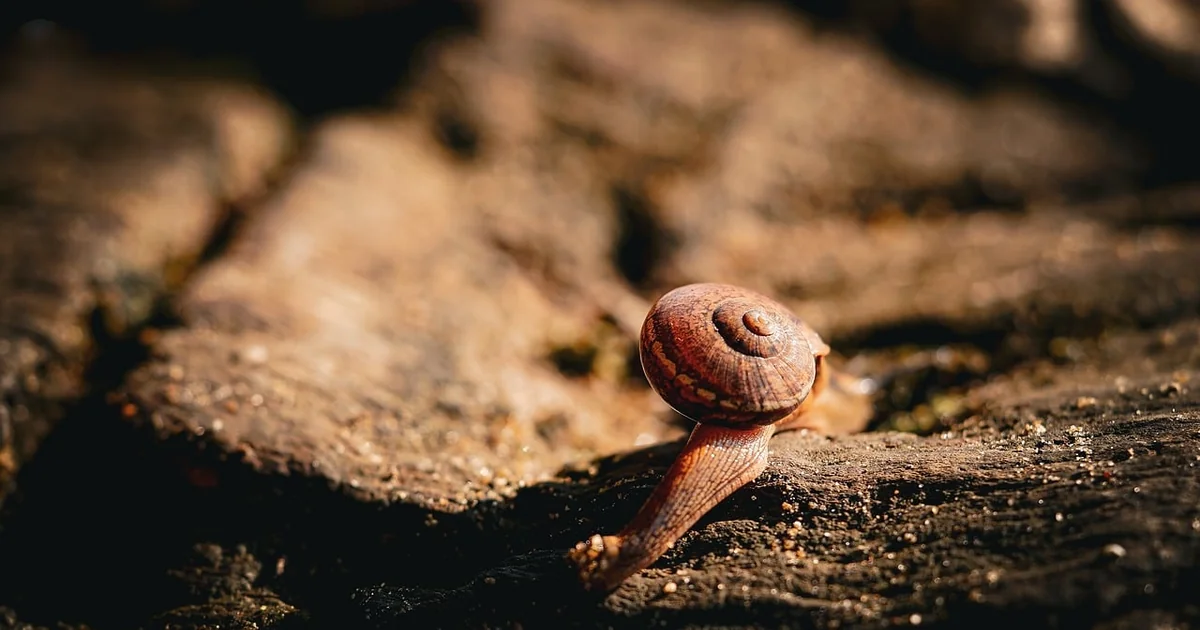
Slug damage has a way of catching us off guard. The hostas might look decent enough one week, but by the next, they are suddenly riddled with Swiss cheese-style holes. It is a heartbreaking sight. While chemical pellets might control slugs in isolation, they often come at a cost to birds, hedgehogs, and the very soil life we work so hard to cultivate. There is a better option that works for free while you sleep, and it is far more effective than any store-bought trap. These quiet backyard buddies are capable of eating dozens of slugs a night and upward of 10,000 pests across a single season. Yes, you read that right.
Why a Toad Abode Slugs Will Never Forget
A toad runs on its own schedule, and it lines up almost perfectly with slug activity. Both are nocturnal. While the garden is dark and quiet, a toad that has taken up residence can work its way through the beds without any prompting. Nothing to apply, nothing that washes away, nothing that harms pollinators in your garden. Wiping out thousands of insects in one summer is no mean feat – and all from a single toad. This isn’t just a slug fix, either. Vine weevils, cutworms, earwigs, and a range of soil-dwelling larvae are all on the menu. If it crawls after dark, it is on the menu.
The numbers are pretty striking. An American toad or common toad can clear 50 to 100 insects on any given night, and an April-to-October season adds that up quickly. The beauty of toads as slug control methods cannot be overstated. Not only are they effective and organic, they require zero ongoing maintenance. Unlike beer traps that need cleaning or copper tape that eventually tarnishes, a toad is a self-sustaining system. They also possess an incredible homing instinct. If a toad finds a suitable abode in April, they can return to that same spot for up to 10 years. They do not stick around most yards because most yards do not give them what they are after: somewhere shaded, a little damp, and quiet enough to wait out daylight hours undisturbed.
Considering how simple their needs are, it is high time you make room for these little guys in your yard. You can take advantage of all the benefits of toads quite easily and reap the rewards for years with minimal effort. Here are seven distinct ways to create a welcoming toad abode slugs will not be able to ignore.
1. The Classic Broken Terracotta Pot
This is the most straightforward method and one that gardeners have used for generations. Take an old terracotta pot, ideally one that is at least 8 to 10 inches in diameter. Break a small chip out of the rim to create an entrance gap about two inches wide and one inch tall. Turn the pot upside down and place it in a shady, damp spot near your garden beds. The darkness underneath mimics a natural burrow. The clay keeps the interior cool and retains moisture. Place a flat stone or a piece of slate on top of the pot to prevent rain from flooding the chamber. This simple toad abode slugs will find irresistible because it offers a stable temperature and protection from predators like cats and crows. Check it occasionally to ensure spiders or wasps have not taken over, but otherwise, leave it alone. A toad that moves in will often stay for the entire season.
2. The Stacked Stone Cavity
Toads are natural rock dwellers. In the wild, they squeeze under flat stones to escape the midday sun. You can replicate this by building a small, low cairn of stones in a shaded corner. Choose flat, irregular stones that are at least three to four inches thick. Stack them loosely so that gaps remain between each layer. Aim for a structure that is about 12 inches tall and 18 inches wide. The key is to create one or two dark, narrow tunnels that lead into a central chamber. A toad will enter through a gap at ground level and then retreat deeper into the pile as the day heats up. This type of toad abode slugs will appreciate because it blends into the garden landscape beautifully. It also provides habitat for beneficial insects like ground beetles, which also prey on slug eggs. Over time, moss and lichen will grow on the stones, adding to the natural aesthetic and further stabilizing the humidity inside the cavities.
3. The Wooden Board Hideout
If you have a spare piece of untreated lumber, you have the makings of a toad shelter. Use a board that is at least 12 inches by 18 inches and about one inch thick. Place it directly on the soil in a damp, shady area. Prop up one corner with a small rock or a brick to create a wedge-shaped entrance. The board should rest flat on the ground on the other three sides. This creates a dark, narrow crawl space that feels safe and secure. The wood absorbs moisture from the soil, keeping the underside cool even on hot afternoons. This type of toad abode slugs will find quickly, especially if you place it near a hosta bed or a damp vegetable patch. The board also attracts slugs and snails, which will hide under it during the day. This means your toad has a built-in food source right at its doorstep. Check under the board every few days to see if a toad has moved in. If you find one, resist the urge to disturb it. Let the toad settle in and begin its nightly patrols.
4. The Underground Pipe Tunnel
For a more permanent solution, consider burying a section of pipe to create a subterranean chamber. Use a piece of PVC or clay pipe that is at least 4 inches in diameter and 12 to 18 inches long. Dig a shallow trench in a shady spot and lay the pipe horizontally. Cover it with soil so that only the entrance hole remains exposed. Angle the pipe slightly downward so that any rainwater drains out the back. Place a flat stone over the entrance to create a small overhang. This keeps the interior dark and dry. A toad entering this tunnel will find a cool, stable environment that stays at a constant temperature. This type of toad abode slugs will use as a daytime retreat and a nighttime launching point. The underground location also protects the toad from extreme heat and cold. You can even create a small network of tunnels by connecting two or three pipes with a junction box. This gives the toad multiple escape routes and a larger living space. Over time, the soil around the pipe will become rich with worm castings and organic matter, further improving the health of your garden.
5. The Log Pile Refuge
A simple pile of logs can become a five-star toad hotel. Gather logs of varying diameters, from 4 inches to 8 inches thick. Stack them loosely in a shady corner, creating a mound that is about two feet high and three feet wide. The irregular shapes create numerous gaps and crevices. Toads will squeeze into the dark spaces between the logs. The decaying wood also attracts slugs, snails, beetles, and other insects, providing a steady food supply. This type of toad abode slugs will find appealing because it mimics a natural forest floor habitat. The logs retain moisture and break down slowly, adding organic matter to the soil. To make it even more attractive, place a layer of leaf litter or straw on top of the pile. This adds insulation and creates an even darker interior. A log pile also provides habitat for other beneficial wildlife, such as frogs, newts, and hedgehogs. It is a low-maintenance, long-term investment in your garden’s ecosystem. Just leave it alone and let nature take its course.
6. The Commercial Toad House Upgrade
If you prefer a polished look, you can purchase a ready-made toad house from a garden center or online retailer. These are typically made from terracotta, ceramic, or resin. They come shaped like small igloos, cottages, or simple domes. While they are convenient, they often need a little modification to be truly effective. Place the commercial toad house in a shaded, damp location. Bury the base slightly so that the entrance is flush with the soil. Add a small layer of damp moss or leaf litter inside to increase humidity. Place a flat stone on top of the house to prevent it from blowing away and to add thermal mass. A commercial toad abode slugs will use if it feels secure, but it may take longer for a toad to adopt it compared to a natural shelter. To speed up the process, set the house near an existing toad habitat, such as a compost pile or a dense shrub border. Check it weekly to ensure it has not become a home for ants or spiders. With a little patience, a commercial house can become a permanent fixture in your garden.
You may also enjoy reading: 5 Aquaponics Tips: Grow Plants & Fish for Beginners.
7. The Living Wall or Dense Shrub Base
Sometimes the best toad abode is not a structure at all but a carefully planted area. Toads love the dense, damp cover provided by low-growing shrubs, ferns, and ground covers. Create a thick planting of hostas, ferns, heucheras, or pachysandra in a shaded corner. Leave a small gap at the base of the plants where the soil is exposed. Toads will burrow into the leaf litter and soil under these plants. The dense foliage provides shade, retains moisture, and hides the toad from predators. This type of natural toad abode slugs will find because it offers a seamless transition from shelter to hunting ground. To enhance the habitat, add a shallow dish of water nearby. The toad can drink and soak in the water without leaving the safety of the plants. This approach requires the least effort because you are simply working with what you already have. It also integrates the toad habitat into your overall garden design, making it invisible to the human eye but perfectly suited for a resident amphibian.
What to Place Inside a Toad Abode Slugs Will Love
Once you have built the structure, the interior environment matters. A bare, dry chamber is not appealing. Add a thin layer of damp leaf litter or sphagnum moss to the floor. This holds moisture and gives the toad something to snuggle into. Do not use soil that is too wet, as standing water can cause fungal issues. The goal is a cool, humid microclimate. You can also place a small, shallow dish of dechlorinated water inside the entrance. Toads do not drink through their mouths; they absorb water through their skin. A damp patch of soil or a tiny puddle is enough. Replace the water every few days to keep it fresh. Avoid using tap water that has been treated with chlorine or chloramine, as these chemicals can irritate a toad’s sensitive skin. Rainwater or filtered water is best. If you notice the interior drying out, mist it lightly with a spray bottle during hot spells. A well-maintained toad abode slugs will return to night after night.
Where to Place Your Toad Abode for Maximum Slug Control
Location is everything. A toad abode placed in full sun will bake like an oven and never be used. Choose a spot that receives dappled shade or only morning sun. The north side of a building, under a deciduous tree, or beside a dense hedge are ideal. The ground should stay moist but not waterlogged. A spot near a downspout or a rain garden is perfect. Place the abode within 10 to 15 feet of your most slug-prone plants, such as hostas, lettuce, or strawberries. Toads are territorial and will patrol a radius of about 30 feet from their shelter. If you have a large garden, consider placing two or three abodes at different locations. This increases the chance that a toad will find one and settle in. Avoid placing the abode near areas where you use pesticides or herbicides. Toads are extremely sensitive to chemicals. A single application of a broad-spectrum insecticide can kill a resident toad. Keep the area around the abode free of lawnmower traffic and foot traffic. A quiet, undisturbed corner is a toad’s idea of paradise.
How to Attract Toads to Your Garden
Building a toad abode slugs will use is only half the battle. You also need to make your entire garden inviting. Toads are drawn to areas with abundant cover and prey. Leave some patches of your garden wild. Allow leaf litter to accumulate under shrubs. Do not rake every last fallen leaf. Toads hunt in the leaf litter for slugs and insects. Provide a shallow water source, such as a birdbath placed on the ground or a small pond with a gentle slope. Toads need water for breeding, but even a non-breeding adult needs to soak regularly. Avoid using bright outdoor lights near the toad abode. Toads are nocturnal and prefer darkness. Bright lights can deter them. Plant native ground covers and ferns to create a natural corridor from the abode to the feeding areas. If you have a compost pile, that is a goldmine for toads. Compost piles are warm, damp, and full of insects. Place a toad abode near the base of the compost pile, and you will likely have a resident within days. Patience is key. It may take a few weeks or even a month for a toad to discover and adopt a new shelter. Once it does, you will have a loyal, long-term partner in your battle against slugs.
Common Mistakes When Building a Toad Abode Slugs Will Avoid
Many gardeners build a toad house and then wonder why no one moves in. The most common mistake is placing it in the wrong spot. A toad abode in full sun is useless. Another mistake is making the entrance too large. A gap wider than two inches allows predators like snakes and rats to enter. Keep the entrance small and low. A third mistake is using treated lumber or painted wood. The chemicals can leach into the soil and harm the toad. Always use untreated, natural materials. Another error is failing to provide a water source nearby. A dry toad abode is a desert to an amphibian. Finally, moving the abode once a toad has moved in. Toads have a strong homing instinct. If you relocate the abode, the toad may become disoriented and leave. Once a toad settles in, leave the structure exactly where it is. Mark the spot so you do not accidentally disturb it during garden maintenance. With these pitfalls avoided, your toad abode slugs will find and cherish.
The Long-Term Benefits of a Toad Abode Slugs Cannot Outrun
Once a toad establishes residency, the benefits compound over time. A single toad can consume over 10,000 pests in a single growing season. This includes not just slugs but also cutworms, armyworms, and cucumber beetles. The toad’s presence reduces the need for any chemical intervention. Your garden becomes a self-regulating ecosystem. The toad also aerates the soil as it burrows and leaves behind nutrient-rich droppings. These droppings contain nitrogen and phosphorus, which feed your plants. Over several years, a resident toad can significantly improve soil structure and fertility. The toad itself becomes a sign of a healthy garden. If you have toads, it follows that you have good soil and a clean ecosystem. The homing instinct means a toad that finds your abode in the spring will return year after year for up to a decade. That is ten years of free, organic, silent pest control. All for the cost of a few minutes of effort and a handful of natural materials. Building a toad abode slugs will never forget is one of the most rewarding projects a gardener can undertake.