The image of overflowing, vibrant hanging baskets is undeniably appealing – a cascade of color brightening up patios, balconies, and window boxes. But let’s be honest, maintaining those displays can feel like a constant battle against drying soil, relentless sun, and the sheer effort required to keep everything thriving. The secret to achieving that gloriously abundant look, however, isn’t about endlessly watering and fussing. Let’s delve into the five key components that will revolutionize your hanging basket game, creating a truly flourishing display that seems to care for itself.
1. Coconut Coir: The Moisture Maestro
The biggest challenge facing any plant in a hanging basket is, without a doubt, consistent moisture. Unlike containers planted directly in the ground, hanging baskets are exposed to a harsh environment – wind, intense sun, and often, torrential rain. This creates a rapid cycle of drying out and saturation, stressing the plants and diverting their energy away from flowering. The traditional potting mixes often lack the ability to retain moisture effectively, leading to a constant cycle of watering. Coconut coir steps in as the hero, providing a natural and remarkably efficient solution. As previously noted by Gardening Know How, coconut coir absorbs and slowly releases water, effectively moderating the moisture levels within the basket. This is because coconut coir is created from the fibrous outer husks of coconuts, a byproduct of the coconut industry. These husks can hold approximately three times their volume in water – a truly impressive feat! You can find coconut coir in various forms, from dehydrated bricks that need rehydration to convenient pellets. Adding a generous handful or two to your potting mix – roughly 20-30% of the total volume – will dramatically improve moisture retention. Furthermore, coconut coir isn’t just a moisture retainer; it also acts as a fantastic mulch, improving soil aeration and preventing the soil from compacting. According to research by the Royal Horticultural Society, maintaining consistent levels of moisture is key to performance. They found that plants need a regular supply of moisture, rather than large amounts, to flower well. And, importantly, irregular watering can lead to wasted water and reduced flower production. Consider this: a study of 12-inch baskets filled with six petunias revealed that plants receiving 12 fluid ounces of water daily produced the same amount of flowers as those receiving 34 fluid ounces – simply because a significant portion of the water was lost through runoff. This highlights the importance of a slow-release moisture source like coconut coir. The average cost of a brick of coconut coir is approximately $8-12, but it will last you through many seasons of hanging baskets.
2. A Strategic Drip Pan: Creating a Miniature Oasis
While coconut coir excels at holding moisture within the potting mix itself, a drip pan takes moisture management to the next level. A drip pan functions as a miniature reservoir, providing a constant supply of humidity to the roots of your hanging basket plants. This is particularly beneficial in exposed locations where the air is dry and the sun is intense. Imagine a small, shallow dish placed beneath the hanging basket – it catches any excess water that drains through the bottom of the container and slowly releases it back into the soil. That’s essentially how a drip pan works. However, it’s crucial to implement this technique correctly. A drip pan that covers the entire base of the basket can actually promote root rot. The roots need air circulation, and a constantly saturated environment isn’t conducive to healthy root development. Therefore, choose a drip pan with a diameter slightly smaller than the basket’s diameter, ensuring that it doesn’t obstruct the airflow around the roots. Amazon offers a variety of drip pans in different sizes and materials, typically ranging from $5 to $15. Consider using a dark-colored drip pan to help retain heat and further warm the roots, especially during cooler months. The key is to create a balanced environment – enough moisture to keep the plants hydrated, but not so much that the roots are constantly submerged.
3. Continuous-Release Plant Food: Sustained Nutrition
Hanging baskets, due to their limited soil volume and rapid evaporation rates, are incredibly demanding when it comes to nutrient supply. Liquid fertilizer, while seemingly convenient, is often inefficient in these conditions. The frequent application required with liquid fertilizer leads to a rapid depletion of nutrients, and a significant amount of the fertilizer is lost through runoff. Continuous-release plant food, on the other hand, provides a slow and steady stream of nutrients over a period of six months – or even longer! These granules release their nutrients gradually as the soil dries out, mimicking the natural process of nutrient cycling. This eliminates the need for frequent feeding and ensures that your plants have a consistent supply of essential elements. When selecting a continuous-release fertilizer, look for one specifically formulated for flowering plants and containing a balanced ratio of nitrogen, phosphorus, and potassium. The Royal Horticultural Society recommends using a fertilizer with a higher phosphorus content to encourage abundant blooms. Generally, you’ll want to apply about 6-8 tablespoons of continuous-release fertilizer to a standard hanging basket, distributing it evenly throughout the potting mix. Be sure to follow the manufacturer’s instructions carefully to avoid over-fertilizing, which can damage the plants. Expect to pay around $10-15 for a box of continuous-release fertilizer, which will last you through multiple seasons.
You may also enjoy reading: Unlock the Secret to Growing Loyal Tulips: 9 Essential Tips to Ensure They Come Back….
4. Choosing the Right Plants: A Foundation for Success
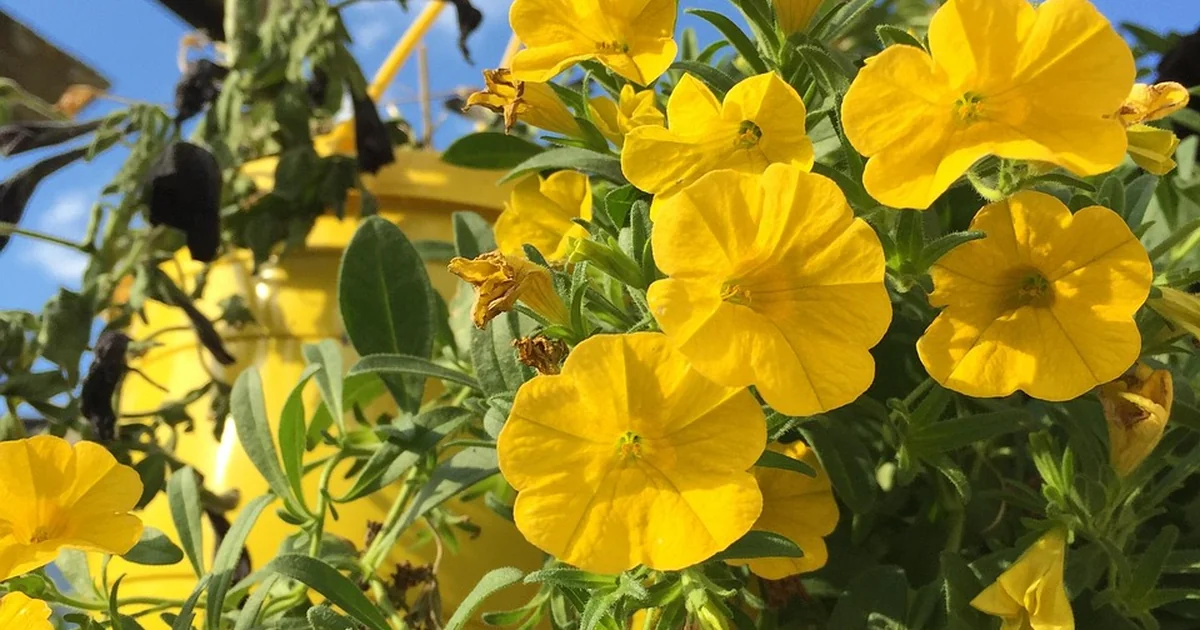
While the magic ingredients address moisture and nutrition, the right plant selection is equally crucial for low-maintenance hanging baskets. Not all plants thrive in the exposed, dry conditions characteristic of hanging baskets. Certain varieties are far more tolerant of these challenges than others. Plants that prefer well-drained soil and are relatively drought-tolerant are ideal choices. Petunias, calibrachoa (million bells), verbena, osteospermum (African daisy), and lobelia are all excellent options. These plants are known for their ability to withstand periods of dryness and produce abundant blooms. Conversely, plants that require consistently moist soil, such as ferns or impatiens, are generally not well-suited for hanging baskets. Consider the light conditions in your chosen location as well. Most hanging basket plants prefer full sun (6-8 hours of direct sunlight per day), but some varieties can tolerate partial shade. When selecting your plants, choose a mix of colors, textures, and bloom times to create a visually stunning display. A diverse selection will ensure that your hanging basket remains vibrant throughout the entire growing season. The best time to plant hanging baskets is in the spring, after the danger of frost has passed. Start with a good quality potting mix and add those magic ingredients – coconut coir and a drip pan – for a truly rewarding experience.
5. Addressing Late-Summer Flagging: A Proactive Approach
Even with the best preparation, hanging basket plants can sometimes experience a slowdown in growth or flowering towards the end of summer. This is often due to a combination of factors, including heat stress, nutrient depletion, and reduced sunlight. However, by taking a proactive approach, you can prevent this “flagging” and ensure that your hanging baskets continue to thrive throughout the fall. One common culprit is a decline in moisture levels as the summer heat intensifies. Even with coconut coir, the soil can dry out quickly during prolonged periods of hot, sunny weather. Regularly check the soil moisture and water deeply whenever the top inch feels dry to the touch. Additionally, consider applying a diluted liquid fertilizer – a quarter strength – to provide a boost of nutrients. Another potential issue is the build-up of salts in the soil, which can inhibit root growth. Flush the soil with water to leach out these salts. Finally, provide the plants with some afternoon shade to protect them from the intense afternoon sun. By addressing these issues promptly, you can help your hanging baskets recover and continue to produce beautiful blooms well into the fall. Remember, consistent care is key to long-term success. Don’t wait until the plants are visibly struggling to take action.
Creating a truly low-maintenance hanging basket isn’t about sacrificing beauty; it’s about smart preparation and understanding the specific needs of your plants. By incorporating these five magic ingredients – coconut coir, a drip pan, continuous-release plant food, careful plant selection, and proactive care – you can transform your hanging baskets into stunning displays that require minimal effort and maximum reward. Enjoy the beauty of your thriving hanging baskets, and let the magic of these simple ingredients do the work for you!