Late spring frosts are the ultimate gardening nemesis: unpredictable and potentially devastating. While the average last frost date is a widely discussed topic, it’s essential to remember that it’s merely a guideline, not a guarantee. Many gardeners have experienced freezing temperatures a week or two after the date they thought was safe.
Understand the Unpredictability of Late Spring Frosts
As a gardener, you’re no stranger to the capricious nature of spring weather. Frosts can strike when you least expect them, catching you and your precious plants off guard. But what causes this unpredictability? One reason is the complex interplay of atmospheric conditions during the spring season. As the jet stream shifts and temperatures fluctuate, the risk of frost increases.
According to the National Oceanic and Atmospheric Administration (NOAA), the average date for the last spring frost in the United States is around April 15th. However, this date can vary by as much as two weeks depending on the region and elevation. For example, in the Rocky Mountains, the last frost date can be as late as May 15th, while in the southern states, it may occur as early as March 15th.
Protecting Your Plants from Late Spring Frosts
So, what can you do to safeguard your plants from these unexpected frosts? The good news is that there are several effective methods to protect your plants, ranging from simple and inexpensive to more complex and high-tech solutions.
Method 1: Covering Your Plants
Covering your plants with a barrier is the most effective protection for an overnight frost. Frost cloth, also known as row covers, is a lightweight, breathable material that traps heat radiating up from the soil and keeps frost from forming directly on the foliage. It’s available in various thicknesses, with the heavier weights providing more protection. Simply drape the cloth over hoops or stakes, ensuring it doesn’t rest directly on the leaves, and anchor the edges to the ground to prevent cold air from seeping underneath.
For a few degrees of light frost, this is usually all you need. If you don’t have a cover on hand and a frost is coming tonight, use what you have. Old bedsheets, lightweight blankets, or even towels work in a pinch. Just be sure to avoid using plastic directly on plants, as it conducts cold and will freeze any foliage it touches, making the damage worse rather than better.
Method 2: Moving Containers Inside
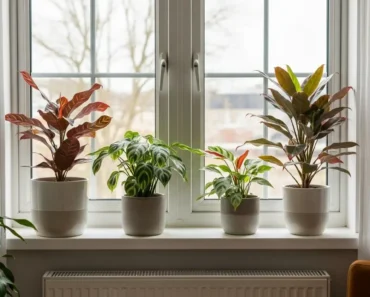
For any smaller containers, move them to a protected area. If your tender plants are in pots or trays, this is the easiest solution to protect plants from spring frost. Move them into a garage, shed, porch, or anywhere that stays above freezing for the night. Even an unheated space that’s sheltered from wind and open sky will be better than outdoor exposure.
For hanging baskets and small pots, bringing them inside for the night takes less than a minute and is always more reliable than covering. Simply lift them off the hooks and place them in a safe location, away from drafts and cold air.
Method 3: Watering Before the Frost
Watering the soil around your plants before an expected frost helps protect them. Moist soil holds heat better than dry soil and releases it slowly overnight, keeping the plants a few degrees warmer. It’s a small effect, but on a marginal night where temperatures just barely dip below freezing, it can make a difference.
Water in the late afternoon, giving the soil time to absorb moisture before temperatures drop in the evening. You want the soil to be damp, not waterlogged. This isn’t a substitute for covering, but it works well alongside it. A covered plant sitting over damp soil has a better chance of making it through a frost than a covered plant sitting over dry ground.
Hardening Off Your Seedlings
Always give seedlings time to acclimate to their new conditions. Some frost damage to new transplants is due to the fact that the plants were never properly acclimated to outdoor conditions. Seedlings grown indoors or in a heated greenhouse are accustomed to stable, warm temperatures. Putting them outside without a transition period leaves them with no tolerance for cold.
Hardening off takes about a week. Start by placing seedlings outdoors in a sheltered, shaded spot for a few hours during the day, then bring them back in. Each day, increase the time outside and gradually introduce more direct sun. By the end of the week, the plants should be spending full days outdoors and can handle cooler nighttime temperatures.
It’s essential to remember that hardening off is a critical step in preparing your seedlings for outdoor conditions. Skipping this process can lead to weakened plants and increased susceptibility to frost damage.
Preparation is Key
Protecting your plants from late spring frosts requires a combination of knowledge, planning, and action. By understanding the unpredictability of spring weather and employing the methods outlined above, you can minimize the risk of frost damage and ensure a successful growing season.
So, the next time a late spring frost warning is issued, don’t panic. Instead, take action and safeguard your plants with these simple yet effective methods. With a little preparation and know-how, you can enjoy a bountiful harvest and keep your garden thriving all season long.
Conclusion
Late spring frosts may be unpredictable, but with the right techniques and a bit of planning, you can protect your plants and enjoy a successful growing season. Remember to cover your plants, move containers inside, and water before the frost. Also, harden off your seedlings to acclimate them to outdoor conditions.
By following these tips, you’ll be well-equipped to handle the challenges posed by late spring frosts and ensure that your garden remains healthy and thriving throughout the season.
So, the next time you’re faced with a late spring frost, don’t worry. With the right knowledge and preparation, you’ll be able to protect your plants and enjoy the fruits of your labor. Happy gardening!