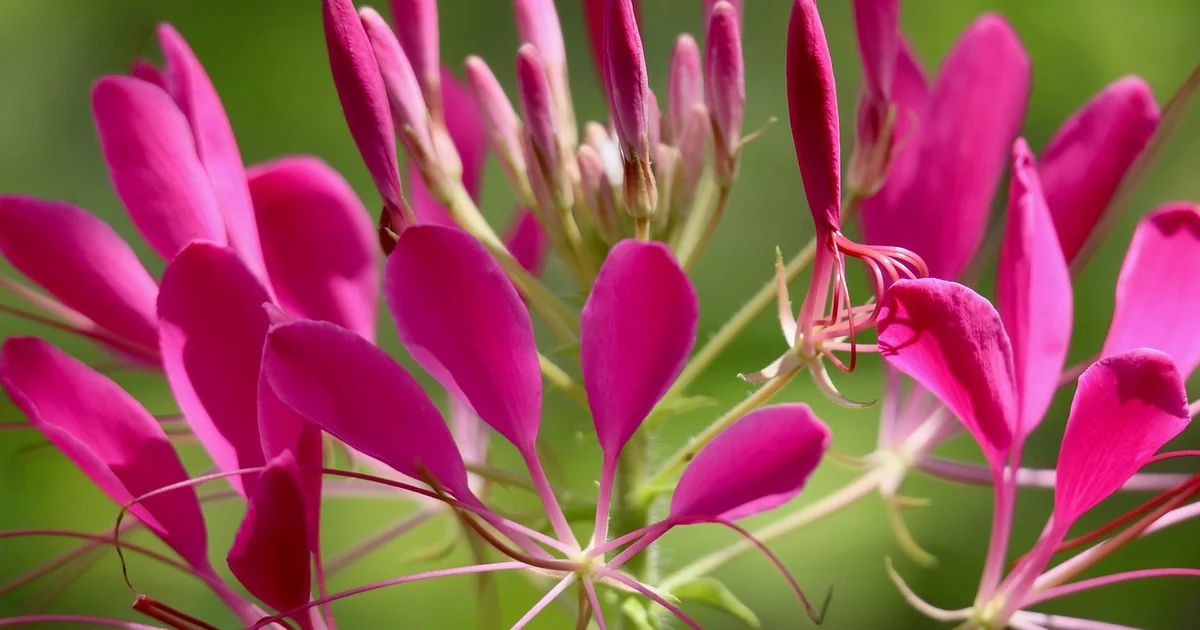
Most annual gardens stick to a predictable script of low-growing petunias, marigolds, and impatiens. Every summer border needs a vertical exclamation point, though. That is where cleome, commonly called the spider flower, enters the stage. Reaching three to four feet tall without demanding staking or constant fussing, cleome spider flower care is remarkably straightforward once you understand a few key principles. Let us explore seven clever strategies to make these towering annuals thrive in your garden from early summer straight through to the first frost.
Seven Proven Strategies for Spectacular Spider Flowers
1. Give Them the Sun They Deserve
The most frequent mistake home gardeners make with cleome is underestimating its light requirements. This South American native demands full sun, meaning at least six to eight hours of direct sunlight each day. In partial shade, cleome grows lanky, flops over, and produces significantly fewer blooms. Research suggests that reduced sunlight can cut flower production by nearly 40 percent compared to plants grown in full exposure.
When cleome receives adequate light, the stems grow strong and sturdy. This natural strength eliminates the need for staking entirely. The plant maintains an upright, architectural form that looks stunning at the back of a mixed border. If you have a garden spot that bakes in the afternoon sun, cleome will reward you with the most vigorous growth and the highest number of flower clusters.
2. Master the Art of Average Soil for Cleome Spider Flower Care
Cleome does not require rich, heavily amended earth to perform well. In fact, overly fertile soil often backfires by producing lush green leaves at the expense of blooms. This plant thrives in average, well-drained garden loam with a pH that leans slightly acidic to neutral. Native to regions with lean soils, cleome has evolved to bloom best when nutrients are balanced rather than abundant.
The practical takeaway is simple: skip the heavy compost applications and high-nitrogen fertilizers before planting. If your soil is heavy clay, amending it with sand or organic matter to improve drainage will help far more than adding extra nutrients. Cleome is an excellent candidate for xeriscape gardens precisely because it asks for so little from the ground. Mastering this aspect of cleome spider flower care saves you time and money while producing healthier plants.
3. Sow Seeds with Precision and Thin Relentlessly
Cleome seeds require light to germinate, which means you should surface-sow them rather than burying them. Wait until after the last frost date, when the soil temperature reaches between 70 and 75 degrees Fahrenheit. Scatter the seeds directly onto the bed and press them gently into the surface. Seedlings typically appear within ten days when conditions are right.
Here is where many gardeners stumble: they fail to thin the emerging seedlings. Crowded conditions invite powdery mildew and rust, two fungal diseases that can shorten the plant’s lifespan significantly. Thin the seedlings to at least 18 inches apart. This spacing allows for proper air circulation, which keeps the foliage dry and healthy. Thinning also channels the plant’s energy into producing more flower stalks rather than competing with neighbors for light and water.
4. Water Deeply and Infrequently for Strong Roots
Once established, cleome exhibits impressive drought tolerance. This trait makes it a valuable addition to low-water landscapes. The secret lies deep underground. Mature plants develop a taproot that can reach up to 18 inches into the soil, accessing moisture that shallow-rooted annuals cannot reach. When practicing cleome spider flower care, remember that less frequent watering often leads to stronger plants.
To encourage this deep rooting, water thoroughly but less often. A single weekly soaking that saturates the root zone is far better than light daily sprinkling. Applying a three-inch layer of organic mulch around the base of the plants conserves soil moisture and keeps the roots cool during hot summer spells. This approach reduces your watering chores considerably once the plants are settled into the garden.
5. Skip the Fertilizer: A Key Cleome Spider Flower Care Step
It may feel counterintuitive, but cleome performs best when you refrain from feeding it. If you are growing it in average garden soil with a layer of organic mulch, supplemental fertilizer is unnecessary and often counterproductive. High-nitrogen formulas encourage leafy growth at the expense of flowers, resulting in tall, green plants with sparse blooms.
You may also enjoy reading: 7 Bat Secrets Pest Pros Reveal for Your Garden After Dark.
In trials conducted by various botanical gardens, cleome consistently achieves its best performance in unamended, native soil. The plant evolved to thrive in conditions that would leave heavy feeders like tomatoes struggling. Save your fertilizer budget for other plants and enjoy the fact that cleome asks for nothing more than sunlight and occasional water. This hands-off approach is what makes cleome spider flower care so appealing for busy gardeners.
6. Deadhead Strategically to Prolong Blooming
Cleome blooms continuously from early summer until the first frost, but you can maximize this period with strategic deadheading. As each flower spike finishes blooming, it begins forming elongated seed pods. Sniping these pods off before they mature signals the plant to produce another round of blooms rather than diverting energy into seed production. This simple practice can extend the flowering window by several weeks.
That said, cleome is a prolific self-seeder, and many gardeners appreciate the volunteer seedlings that appear the following spring. If you want a naturalized patch that returns year after year, leave some seed pods intact during late summer. Just be prepared to thin the resulting seedlings aggressively in the spring to prevent overcrowding and maintain plant health. You get to choose whether you want a tidy, controlled display or a more naturalized cottage garden look.
7. Pick Compact Varieties for Container Success
Standard cleome varieties can reach five feet tall, which makes them challenging for container culture. However, breeders have developed compact cultivars that are perfectly suited for pots. The Sparkler series, for example, grows to just two to three feet tall and has a bushy, well-branched habit. ‘Linde Armstrong’ is another excellent choice, staying under 18 inches and producing sterile, thornless blooms in pink and rose shades.
When planting in containers, use a large pot with drainage holes and a high-quality potting mix. Pair your cleome with mounding plants like vincas and trailing plants like petunias for a full, lush arrangement. Container-grown cleome requires more frequent watering than in-ground plants, so check the soil moisture daily during hot weather. Choosing the right variety makes all the difference for successful container displays.
Cleome proves that tall, dramatic flowers do not require high-maintenance routines. By giving them full sun, lean soil, and enough space to breathe, you set the stage for a summer-long spectacle of spidery blooms that hummingbirds cannot resist. It is one of the few annuals that keeps getting better as the temperatures rise, rewarding your restraint with towering, carefree color season after season.