Attracting Hummingbirds with the Right Vines: A Guide to Seven Stunning Options
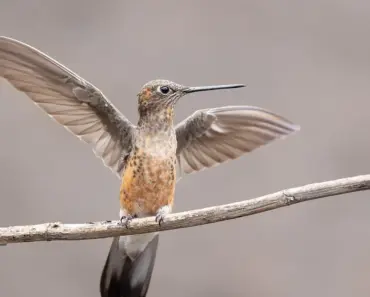
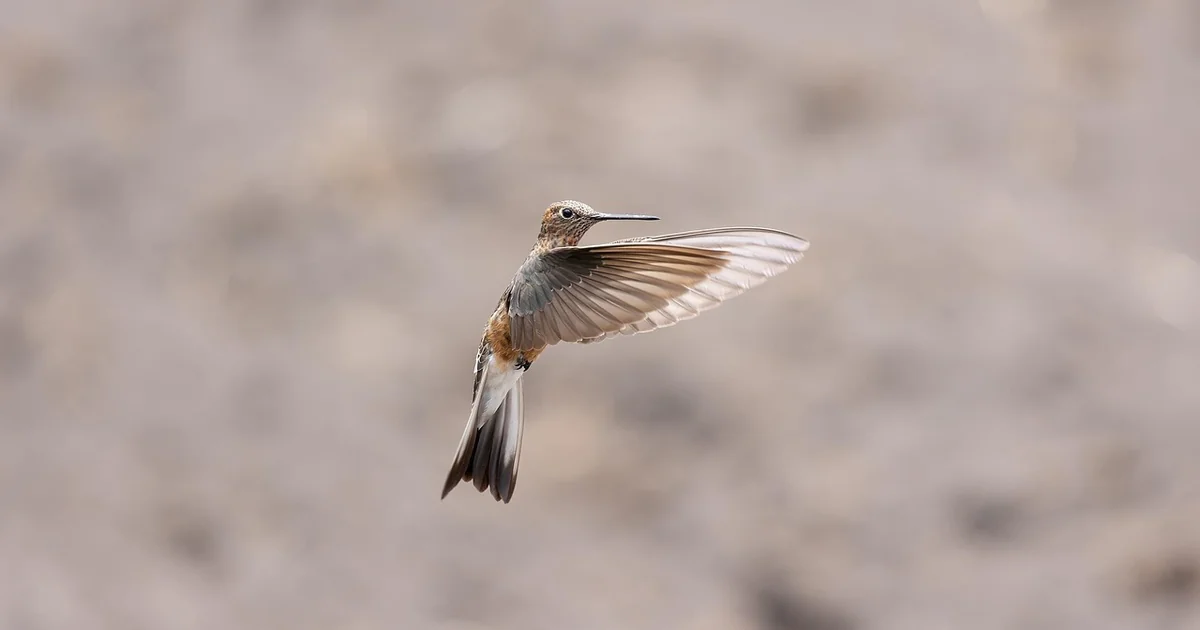
The buzz of a hummingbird flitting amongst vibrant blossoms is a truly magical experience. And while feeders certainly play a role in attracting these tiny jewels to your yard, strategically planting the right vines can dramatically enhance their appeal and create a thriving hummingbird haven. These swift, acrobatic birds are particularly drawn to red and yellow flowers, a trait rooted in the unique structure of their eyes. But it’s not just about color; nectar-rich plants that offer a substantial reward are key. Let’s delve into seven exceptional vines that will not only beautify your landscape but also become magnets for hummingbirds, offering them crucial sustenance and nesting opportunities. This is largely due to the cones in their retinas, which are heightened at the red to yellow parts of the visible spectrum. However, hummingbirds aren’t only attracted to reds and yellows if other plants have adequate nectar. So you don’t have to have a completely crimson palette to bring in these fast-moving birds. Having one or two will signal to them as they search for food sources, but you can include other vining plants with high nectar content to keep them mobile. If you have enough food, they may even find a spot to build one of their industrious little nests. If your growing space is already suited to other pollinators, and you haven’t grown a few vines specifically for hummingbirds, now is a great time to plant one or two (or more if you have space). Include these, and plant them where they are visible. Then, watch these tiny birds as they migrate through. If you’re lucky enough to live somewhere they stay year-round, they’ll thank you for doing so.
Creating a hummingbird-friendly garden is a rewarding endeavor, contributing to the health of local ecosystems and providing endless entertainment. Choosing the right vines is the first crucial step, and the options outlined below offer a diverse range of characteristics, colors, and growth habits to suit various garden styles and climates. Let’s explore each vine in detail, considering its specific requirements and the benefits it brings to your hummingbird visitors.
1. Wisteria Frutescens ‘Amethyst Falls’ – A Springtime Delight
The Wisteria frutescens ‘Amethyst Falls’ is a stunning native wisteria variety that stands out amongst its kin. Its early blooming season – often preceding the foliage – makes it a particularly valuable asset for attracting hummingbirds during their migratory journeys. This vine, native to the eastern United States, boasts clusters of cascading amethyst-purple flowers, a color that is highly attractive to hummingbirds. The flowers smell incredible, too. However, it’s important to note that Wisteria can be vigorous, requiring substantial support to manage its growth. Providing a robust trellis or a sturdy fence is essential to prevent it from overwhelming its surroundings. A mature Amethyst Falls vine can reach an impressive height of 8-25 feet, so planning accordingly is key. It’s also a native from Mexico and South America, where hummingbirds reign, and in most of the US and Canada, it’s grown as an annual. That annual nature in most of North America controls some of its sprawl, which can reach up to 20 feet in open area. Because this vine is a native, it offers hummingbirds the specialized nutrition they need. Both the plants and the birds have evolved together over millennia, and while non-natives will feed them, it’s more like having fast food rather than a nourishing meal for our winged friends.
Key Facts:
Botanical Name: Wisteria frutescens ‘Amethyst Falls’
Sun Requirements: Full sun
Height: 8-25 feet
Hardiness Zones: 5-9
2. Tangerine Beauty Crossvine – Bold Blooms and Coastal Resilience
The Tangerine Beauty Crossvine (Bignonia capreolata ‘Tangerine Beauty’) is a captivating vine characterized by its bright, trumpet-shaped flowers in shades of orange and red. This native vine is incredibly adaptable, thriving in coastal and dry conditions – making it an excellent choice for gardeners in warmer climates. Like its Wisteria counterpart, the Crossvine needs support, but its growth is generally more controlled. The long, drooping racemes of flowers are a magnet for hummingbirds, offering a plentiful source of nectar. It’s a native to the southeastern United States, and the blooms are a welcome addition to any garden, attracting pollinators beyond just hummingbirds. While the blooms are spectacular, it’s important to be vigilant in controlling its spread, pulling up any stray shoots that emerge from its roots. This vine has a vibrant history, cultivated for centuries by indigenous peoples for its medicinal properties and ornamental value. The plant’s ability to flourish in challenging environments highlights its resilience and makes it a valuable asset for both gardens and ecosystems.
Key Facts:
Botanical Name: Bignonia capreolata ‘Tangerine Beauty’
Sun Requirements: Full sun to partial shade
Height: 30-50 feet
Hardiness Zones: 5-9
3. Funny Valentine Blend Cypress Vine – A Crimson Showstopper
The Funny Valentine Blend Cypress Vine (Ipomoea quamoclit ‘Funny Valentine’) is a truly unique and eye-catching vine. Its foliage has a fern-like appearance, providing a lush backdrop for its vibrant crimson, white, and pink flowers. This morning glory relative is a magnet for hummingbirds, and its longevity – it can bloom for extended periods – ensures a consistent supply of nectar. It’s a native from Mexico and South America, where hummingbirds reign, and in most of the US and Canada, it’s grown as an annual. That annual nature in most of North America controls some of its sprawl, which can reach up to 20 feet in open area. However, it’s important to be aware that the Funny Valentine Blend Cypress Vine is flammable, so plant it at least 50 feet away from your home, especially if you live in a wildfire-prone region. Consider this a crucial safety precaution. Its adaptability to various conditions makes it a rewarding addition to a garden, offering beauty and attracting beneficial pollinators. Planting it in a location where it can receive ample sunlight will encourage abundant blooming.
Key Facts:
Botanical Name: Ipomoea quamoclit ‘Funny Valentine’
Sun Requirements: Full sun
Height: 6-20 feet
Hardiness Zones: 11-12
You may also enjoy reading: 7 Hummingbird-Friendly Vines to Grow for a Colorful Backyard Bounty.
4. Coral Honeysuckle – A Dual Delight for Pollinators
Coral Honeysuckle (Lonicera sempervirens) is a vigorous and adaptable vine that offers a double dose of appeal – attracting both hummingbirds and butterflies. The coral-colored trumpet-shaped flowers are undeniably attractive to hummingbirds, providing a rich source of nectar. However, its value extends beyond hummingbirds, as it’s also a favorite among butterflies, creating a vibrant and diverse pollinator garden. This honeysuckle is native to North America and comes in various cultivars, offering a range of flower colors and growth habits. It’s relatively easy to grow, tolerating a wide range of soil conditions and providing a continuous display of flowers throughout the growing season. Speaking of pollinators, it’s a natural part of the ecosystem’s cycle. If you’re looking to create a garden that benefits a wide range of wildlife, Coral Honeysuckle is an excellent choice.
Key Facts:
Botanical Name: Lonicera sempervirens
Sun Requirements: Full sun to partial shade
Height: 10-20 feet
Hardiness Zones: 4-9
5. Tangerine Beauty Crossvine – Continued Growth & Management
Let’s revisit the Tangerine Beauty Crossvine (Bignonia capreolata ‘Tangerine Beauty’) because its growth habit deserves a more detailed discussion. While its beauty is undeniable, this vine can become quite prolific, potentially overwhelming its support structure if left unchecked. Therefore, regular monitoring and pruning are essential to maintain its form and prevent it from sprawling uncontrollably. If you’re a new gardener, it’s easy to forget about this, but it’s easy to take care of. The key is to pull up any stray shoots that emerge from its roots, particularly in the spring. This proactive approach will keep the vine contained and prevent it from becoming invasive. While it requires a bit of effort, the reward – a stunning display of vibrant blooms and a thriving hummingbird haven – is well worth the investment. It’s also a native to the southeastern United States, and the blooms are a welcome addition to any garden, attracting pollinators beyond just hummingbirds. The plant’s ability to flourish in challenging environments highlights its resilience and makes it a valuable asset for both gardens and ecosystems.
Key Facts: (Same as listed previously)
6. Wisteria Frutescens ‘Amethyst Falls’ – Support Systems & Considerations
As previously mentioned, the Wisteria frutescens ‘Amethyst Falls’ demands substantial support. Simply placing it against a wall or fence won’t suffice; it needs a dedicated structure capable of withstanding its weight and growth. An A-frame trellis will simply buckle under the pressure. Instead, opt for a sturdy post trellis, a prefabricated arbor, or even a custom-built support system. Consider the mature size of the vine when designing your support structure – it can reach heights of 8-25 feet. Furthermore, ensure the support is positioned to allow for adequate airflow and sunlight penetration. Wisteria thrives in areas with plenty of sunshine, so avoid placing it in shaded locations. Proper support and sunlight are crucial for this vine to flourish and produce an abundance of beautiful, hummingbird-attracting flowers. It’s also a native from Mexico and South America, where hummingbirds reign, and in most of the US and Canada, it’s grown as an annual. That annual nature in most of North America controls some of its sprawl, which can reach up to 20 feet in open area.
Key Facts: (Same as listed previously)
7. Funny Valentine Blend Cypress Vine – Fire Safety and Invasive Potential
Let’s address a critical consideration for the Funny Valentine Blend Cypress Vine (Ipomoea quamoclit ‘Funny Valentine’): its flammability. This vine is highly flammable and should be planted at least 50 feet away from any structures, especially your home. This is a particularly important precaution in areas prone to wildfires. Furthermore, while generally considered non-aggressive, the Funny Valentine Blend Cypress Vine can be invasive in certain regions. Careful monitoring and prompt removal of any stray shoots are necessary to prevent it from spreading beyond its intended boundaries. This vigilance ensures that the vine remains a beautiful addition to your garden without becoming a nuisance. It’s a stunning morning glory relative is a magnet for hummingbirds. It will stand out in your garden with its deep crimson, white, and pink star and trumpet-shaped flowers, and its almost fern-like leaves. It’s a native from Mexico and South America, where hummingbirds reign, and in most of the US and Canada, it’s grown as an annual. That annual nature in most of North America controls some of its sprawl, which can reach up to 20 feet in open area. It’s also flammable, so plant it at least 50 feet away from your home, especially if you live in a wildfire-prone region.
Key Facts: (Same as listed previously)
Conclusion: By incorporating these seven hummingbird-attracting vines into your garden design, you’ll create a vibrant and welcoming habitat for these fascinating birds. Remember to provide adequate support, sunlight, and water, and to monitor for any signs of invasiveness. With a little planning and care, you can transform your yard into a hummingbird paradise – a place where you can enjoy the beauty of these tiny creatures and contribute to the health of your local ecosystem. A well-planned vine garden is a fantastic way to invite these nature’s jewels into your yard, and they’ll reward you with their constant buzzing and brilliant colors.