When the sun goes down and the garden grows quiet, you might spot shadowy figures swooping overhead. For many homeowners, the sight of bats circling the backyard triggers an immediate urge to call for help. But before you reach for the phone, consider this: those winged visitors might be the best unpaid workers your garden has ever had. Pest control professionals and wildlife experts agree that bats are far more friend than foe, and understanding their habits can transform the way you manage your outdoor space after dark.
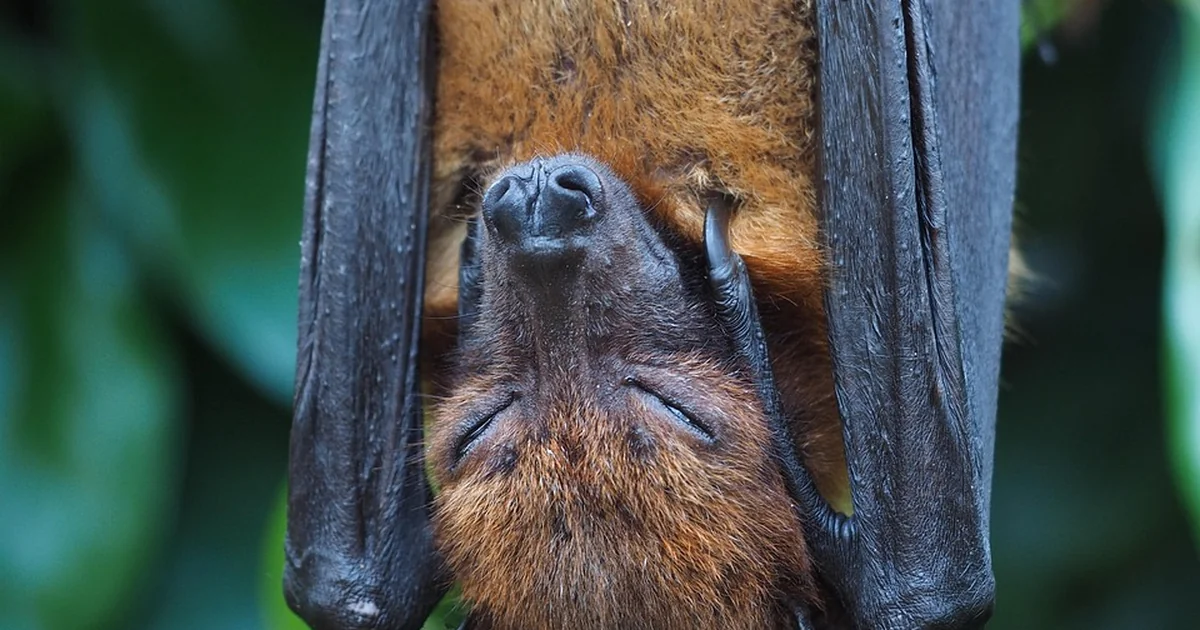
Why Bats Circle Your Garden at Night
All three experts we spoke to agree that bats circling your garden is not a cause for concern. However, Benji Carper, owner of Benji’s Bats Begone, notes that it could be a sign that there is a bat roost somewhere in your neighborhood, and that could potentially be inside your home.
“Just because you see bats circling your garden does not mean that they’re an issue,” Carper says. “It’s not a red flag, but just more of a yellow flag. You should start asking questions about where they’re coming from and be a keen observer of your environment. Bats aren’t traveling 30 or 40 miles during their evening feeding sessions; They’re staying pretty near to their roost.”
Bobby Fokidis, biology professor at Rollins College, says your initial instinct should be one of relief rather than fear when you see bat activity in your garden. “If bats are looping quietly over your yard at twilight, take it as proof that something is going right,” Fokidis says. “They are doing serious ecological stuff while you are reaching for a drink, and that is a pretty good deal. Pull out your lawn chair and watch them work.”
7 Bat Secrets Pest Pros Reveal for Your Garden After Dark
1. One Bat Eats Thousands of Insects Each Night
Tammy Sons, founder and CEO of TN Nursery, has been working with plants for more than 60 years. She explains that a single bat consumes between 3,000 and 6,000 insects in a single evening. That includes moths, beetles, mosquitoes, and cucumber beetles — all common garden pests. For the gardener, this means fewer damaged leaves, less fruit loss, and a dramatic reduction in annoying biting insects. “For the gardener, they are invaluable yet unobtrusive allies in pest control,” Sons says. Imagine a vegetable patch plagued by tomato hornworms or a flower bed overrun with Japanese beetles. A colony of just 50 bats can remove hundreds of thousands of pests per week, acting as a living, breathing pesticide that works for free.
2. Bat Guano Works as Organic Fertilizer
Bat droppings, known as guano, contain a high concentration of nitrogen, phosphorus, and potassium — the three primary nutrients plants need to thrive. Sons explains that when guano is allowed to mature through composting, it becomes an excellent organic soil improvement. “Even bat droppings are useful,” she says. “They contain beneficial soil nutrients like nitrogen, phosphorus, and potassium.” This means the bats feeding over your garden are not only removing pests but also depositing fertilizer with every flight. A single bat can produce droppings several times per night, slowly enriching the soil beneath their flight path. Over the course of a season, this natural input can reduce the need for synthetic fertilizers.
3. Bats Pollinate Night-Blooming Plants
While many gardeners focus on bees and butterflies, bats are the unsung heroes of nighttime pollination. Fokidis points out that in the Southwest deserts and across the tropics, bats are essential pollinators of night-blooming plants like agaves and cacti. “These plants evolved with bats in mind, not bees, hummingbirds, or butterflies,” Fokidis says. “Without bats, they will collapse.” This relationship goes beyond desert landscapes. Many garden flowers that open at dusk — such as evening primrose, moonflowers, and certain types of jasmine — rely on bats for pollination. By attracting bats to your garden, you help these plants reproduce and thrive, creating a more vibrant and diverse landscape.
4. Bat Box Placement Matters More Than You Think
Installing a bat box is one of the most effective ways to attract bats garden enthusiasts recommend. But placement is critical. Carper explains that bat boxes should be elevated 10 to 16 feet off the ground, free from light pollution, and away from overgrown vegetation or structures. They should not be attached to a house or garage. “If you put a bat box on your home, you are inviting them to roost in your attic,” Carper warns. Instead, mount the box on a pole or a tree in an open area where bats can easily access it. Face the box south or southeast to capture morning sun, which helps regulate temperature inside. Proper placement increases the likelihood that bats will take up residence and stay nearby.
You may also enjoy reading: 5 Must-Know Fiddle Leaf Fig Care Tips in May.
5. Native Plants Attract the Insects Bats Eat
The most direct way to attract bats garden visitors is to plant native species that support insect populations. Sons recommends focusing on plants that bloom at different times throughout the growing season to provide a steady food source for insects, which in turn feed bats. Native plants like goldenrod, milkweed, and coneflowers attract moths, beetles, and other nocturnal insects that bats hunt. “Simply planting more natives is a great place to start,” Sons says. “These plants attract insects, which will bring bats.” In suburban areas where native plants are scarce, adding even a small patch of wildflowers can make a noticeable difference. Over time, this creates a self-sustaining ecosystem where insects thrive, bats feed, and plants get pollinated.
6. A Bat Roost Is a Yellow Flag, Not a Red Flag
Carper emphasizes that seeing bats circling your garden is not a reason to panic. It is, however, a reason to pay attention. “It’s not a red flag, but just more of a yellow flag,” he says. “You should start asking questions about where they’re coming from and be a keen observer of your environment.” If bats are present every night at the same time, they likely have a roost nearby. This could be in a tree, a barn, or unfortunately, your attic. The key is to determine whether the roost is beneficial or problematic. A roost in a tree or a bat box is a good thing. A roost in your attic may require professional removal. But even then, Carper advises against extermination. “Bats are protected in many states, and they play a vital role in the ecosystem,” he says. “The goal is to exclude them humanely and then provide an alternative roosting site nearby.”
7. Guano From Attics Should Never Be Used as Fertilizer
While bat guano is a fantastic soil amendment, there is a critical warning. Carper warns against collecting any bat droppings you find in your attic for fertilizing purposes. “There’s definitely some inherent dangers to collecting bat droppings, especially in a closed space,” he says. Guano may contain harmful bacteria, including Histoplasma capsulatum, which can cause respiratory illness when inhaled. The same caution applies to guano found in barns, sheds, or other enclosed structures. Only use guano that has been properly composted and sourced from a reputable supplier. If you want to benefit from bat fertilizer without the risk, consider installing a bat box in your garden where droppings can fall naturally onto the soil below, where they decompose safely over time.
How to Safely Encourage Bats Without Inviting Problems
For homeowners who want to attract bats garden visitors but worry about roosting in their home, there are clear steps to follow. First, seal any gaps or openings in your attic, chimney, or eaves. Bats can squeeze through holes as small as half an inch. Second, install a bat box on a pole away from your house. This provides an attractive alternative roosting site. Third, plant native flowers and shrubs that support insect populations. Finally, reduce outdoor lighting at night, as bright lights can deter bats from feeding in your yard.
Fokidis sums it up simply: “Pull out your lawn chair and watch them work.” The bats overhead are doing serious ecological work while you relax. By understanding their habits and needs, you can create a garden that supports them safely and benefits from their presence for years to come.