The Allure of a Purple Canopy
Picture a street lined with trees draped in clusters of violet-blue blossoms. The jacaranda creates this dreamlike scene. Yet many homeowners watch their young tree struggle, producing sparse blooms or yellowing leaves. The difference between a struggling specimen and a showstopper often comes down to a handful of specific practices. Understanding these nuances transforms jacaranda tree care from guesswork into a reliable routine.
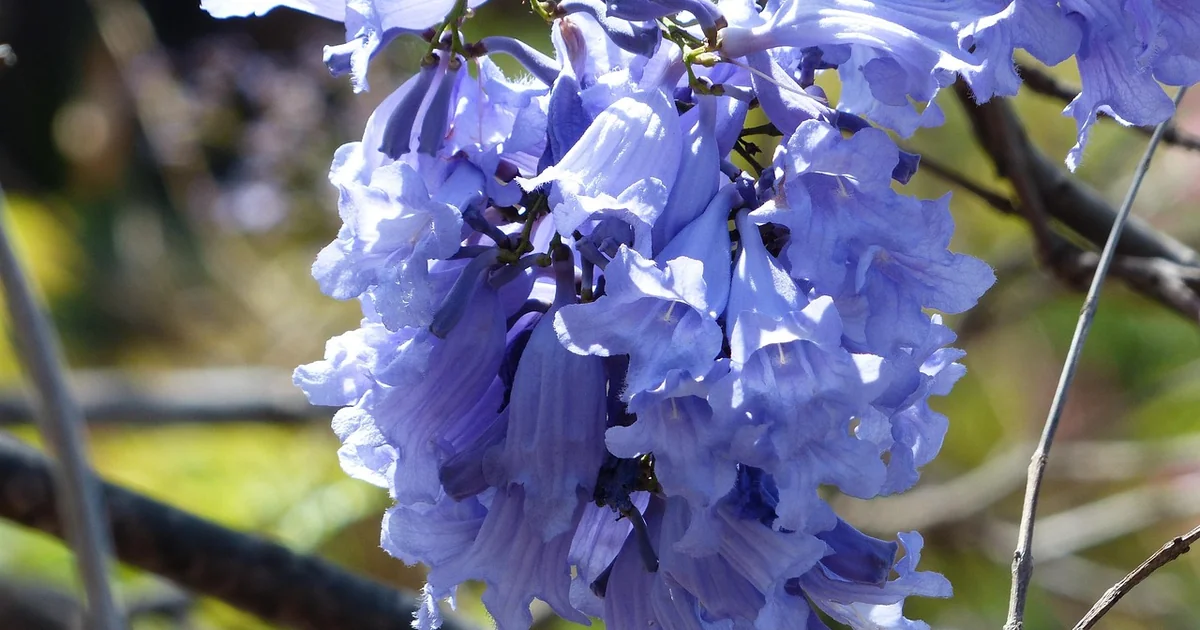
These trees, native to South America, can reach 50 feet tall with a spread of 30 feet. Their fern-like foliage and trumpet-shaped flowers make them a favorite in warm climates. But they come with quirks. Weak wood, surface roots, and an invasive growth habit in certain regions require thoughtful planning. The following five secrets address the most common pitfalls and unlock the full potential of your tree.
Secret 1: Mastering Sunlight Exposure for Maximum Bloom
The single most critical factor for a spectacular floral display is light. Jacarandas are sun worshippers. They need at least six to eight hours of direct sunlight every day during the growing season. Skimp on this, and the tree will still grow, but the flower show will be disappointing.
The Problem with Partial Shade
Many gardeners assume a few hours of morning sun is adequate. A jacaranda placed in part shade will stretch toward the light, developing a lopsided canopy. More importantly, the number of flower panicles drops by as much as 70 percent in shaded conditions. The blooms that do appear will be pale, washed-out versions of the deep purple you expect.
How to Choose the Perfect Spot
Walk around your property mid-morning and again in the early afternoon. Mark areas that remain fully exposed from about 9 a.m. to 5 p.m. Avoid spots near tall buildings, dense evergreen hedges, or north-facing walls that cast long shadows. A south-facing or west-facing open lawn offers ideal conditions.
Consider the tree’s mature dimensions. A tree that reaches 40 or 50 feet tall will cast its own shadow. Plant it far enough from your house so that the canopy does not block windows. The recommended distance from any structure is at least 15 to 20 feet. This prevents future conflicts with rooflines and gutters.
What About Young Trees in Containers?
If you are growing a dwarf variety like ‘Bonsai Blue’ in a pot, rotate the container every two weeks. This ensures even light exposure and prevents the crown from leaning. A consistently sunny patio or deck is perfect for container-grown specimens. Move the pot indoors only if temperatures drop below 40 degrees Fahrenheit for extended periods.
Tracking sunlight hours is straightforward. Use a simple sun calculator app or observe your chosen location every hour on a clear day. Six to eight hours of unobstructed sun is the non-negotiable baseline for thriving jacaranda tree care.
Secret 2: Soil Composition That Prevents Root Rot
Jacarandas are surprisingly picky about their roots. They despise wet feet. In heavy clay soil, water pools around the root ball, and anaerobic bacteria multiply. Root rot sets in quickly, often within two to three weeks of consistently soggy conditions. The tree shows stress through yellowing foliage, leaf drop, and stunted growth.
The Ideal Soil Recipe
Sandy, loamy soil with a pH between 5.5 and 7.0 is the sweet spot. The texture should allow water to drain within 15 to 30 minutes after a heavy rain. If your native soil is dense clay, do not just dig a hole and backfill with sand. That creates a bathtub effect where water collects in the amended zone. Instead, plant the tree in a raised mound or a berm that sits 12 to 18 inches above the surrounding grade.
How to Test Your Drainage
Dig a hole 12 inches deep and 12 inches wide. Fill it with water and let it drain completely. Fill it a second time and measure how long it takes for the water level to drop. If it takes longer than four hours, your soil is too heavy for a jacaranda without significant amendment. Mix in coarse horticultural sand and organic compost at a ratio of 50 percent native soil, 30 percent sand, and 20 percent compost.
Avoiding Common Soil Mistakes
Many gardeners over-fertilize young trees, thinking rich soil equals faster growth. High nitrogen levels cause lush leafy growth at the expense of flowers. If you are fertilizing grass under the canopy, the tree already absorbs plenty of nitrogen from lawn feed. In that case, skip separate tree fertilizer entirely. Use a low-nitrogen, balanced 10-10-10 NPK formula only if the soil test shows a deficiency.
Another mistake is planting too deep. The root flare, where the trunk widens at the base, must remain above the soil line. Burying it invites fungal infections and girdling roots. After planting, the top of the root ball should sit about one to two inches higher than the surrounding ground. This is a non-negotiable rule in proper jacaranda tree care.
Secret 3: Watering Discipline That Builds Resilience
Jacarandas need consistent moisture, but they also need periods of slight dryness between waterings. The trick lies in the timing and the technique. Many people water too frequently with shallow sprinklings, encouraging surface roots that later crack sidewalks and driveways.
The Finger Test Method
Stick your index finger into the soil near the drip line, not right next to the trunk. Go down three to four inches. If the soil feels cool and damp, wait another day. If it feels dry at that depth, it is time to water. This simple habit prevents both overwatering and underwatering. Overwatering leads to root rot, while underwatering during a heat wave causes leaf scorch and premature leaf drop.
Deep Watering Strategy
When you water, apply the water slowly at the drip line. The drip line is the circle under the outermost branches where rainwater naturally falls. Use a soaker hose or a gentle sprinkler setting. Let the water run until it has penetrated about eight to ten inches deep. Check with a moisture probe or a long screwdriver inserted into the soil. If it slides in easily, the water has reached the deeper roots.
During the first two years after planting, water once a week unless rain provides at least one inch of precipitation. In the third year and beyond, shift to deep watering every ten to fourteen days during dry spells. In winter, when the tree goes dormant, reduce watering to once a month. Overwatering in cold months is a primary cause of winterkill in zones 9 and 10.
Recognizing Drought Stress
Watch for leaf curling along the edges, drooping branch tips, and a dull gray-green cast to the foliage. These signs indicate the tree is thirsty. Respond quickly with a deep soak. A mature jacaranda can tolerate short droughts, but repeated stress weakens the wood and makes it more susceptible to wind damage.
A layer of organic mulch, about two to three inches deep, spread from the trunk outward to the drip line, helps retain soil moisture. Keep the mulch six inches away from the trunk itself to prevent bark rot. This method mimics the forest floor conditions where jacarandas naturally grow. Consistent moisture management is the backbone of successful jacaranda tree care.
Secret 4: Pruning for Strength and Form
Jacaranda wood is notoriously brittle. Without proper structural pruning when the tree is young, heavy limbs can split during storms. The goal is to develop one strong central leader, a single upright trunk that dominates the canopy. Trees with multiple competing trunks are far more likely to fail.
Pruning Young Trees (Years 1–3)
In the first year after planting, select the straightest, most vigorous shoot as the central leader. Remove any competing vertical shoots by cutting them back to the trunk. Leave the lower horizontal branches in place; they thicken the trunk and provide energy for root development. Remove only dead, broken, or crossing branches.
In the second year, assess the leader again. If a side branch is growing faster than the leader, shorten it by one-third. This redirects energy upward. Remove any branches that form a narrow V-shaped crotch. Wide-angle attachments, 60 degrees or more, are much stronger. Keep the lower canopy balanced so the tree does not lean.
By year three, the central leader should be clearly dominant. The tree may have three or four well-spaced scaffold branches that form a rounded crown. Remove any suckers that emerge from the base or along the trunk. Suckers waste energy and create a messy appearance.
Avoiding Over-Pruning
An excessive pruning triggers a stress response. The tree sends up dozens of vertical water sprouts from the trunk and branches. These sprouts are weakly attached and require repeated removal. Limit annual pruning to no more than 20 percent of the live canopy. Prune in late winter or early spring before new growth begins. Never prune in late summer; the wounds heal slowly and invite pests.
One common question is whether to prune mature trees to reduce height. Topping a jacaranda, cutting off the top of the main trunk, destroys its natural shape and leads to weak regrowth. If a mature tree has outgrown its space, it is better to remove it and plant a smaller variety like ‘Bonsai Blue’ or Jacaranda jasminoides.
Tools and Sanitation
Use sharp, clean bypass pruners for branches up to half an inch thick. Use a pruning saw for larger limbs. Disinfect blades with a 70 percent isopropyl alcohol solution between cuts if you are removing diseased wood. Clean tools prevent the spread of fungal pathogens. This level of detail separates casual trimming from professional-grade jacaranda tree care.
Secret 5: Propagation Methods That Save You Years
Growing a jacaranda from seed is slow and unpredictable. Seeds collected from a parent tree may not produce identical offspring. A seedling can take seven to ten years to bloom. Softwood cuttings, on the other hand, produce a genetic clone of the parent tree. A cutting from a mature, flowering tree can bloom in as little as three to four years. This is the overlooked shortcut that experienced growers rely on.
You may also enjoy reading: 7 Best Roses for Cutting Gardens.
Softwood Cutting Step by Step
Take cuttings in late spring or early summer when the tree is actively growing. Select a branch tip that is still flexible but not floppy, about four to six inches long. The diameter should be roughly the thickness of a pencil. Cut just below a leaf node at a 45-degree angle. Remove the lower leaves, leaving only two or three leaves at the top.
Dip the cut end in rooting hormone powder containing IBA (indole-3-butyric acid) at a concentration of 0.1 to 0.3 percent. Stick the cutting into a pot filled with moistened perlite and peat moss at a 50:50 ratio. Enclose the pot in a clear plastic bag to create a humidity dome. Place it in bright, indirect light, not direct sun. Open the bag every three days for five minutes to exchange air.
Roots typically form in four to six weeks. Gently tug on the cutting after a month. If you feel resistance, roots have developed. Transplant the rooted cutting into a one-gallon pot with well-draining sandy soil. Keep it in partial shade for the first two weeks, then gradually move it into full sun. By the following spring, the young tree can go into the ground.
Seed Propagation for the Patient Gardener
If you choose seeds, plant them between fall and early spring. Soak seeds in warm water for 24 hours before sowing. This softens the hard outer coat and increases germination rates from about 30 percent to over 80 percent. Sow seeds half an inch deep in a seed-starting mix. Keep the soil consistently moist at around 70 to 75 degrees Fahrenheit. Germination takes two to three weeks.
Seedlings grow slowly for the first six months. Fertilize them with a half-strength balanced liquid fertilizer once a month during the growing season. Expect the first flowers in year six or seven at the earliest. The advantage of seeds is genetic diversity. Occasionally, a seedling produces an unusual flower color or growth habit that becomes a new cultivar.
Grafting: A Professional Option
Grafting combines the rootstock of a vigorous species with a scion from a desired flowering variety. This technique requires precise cuts, sterile conditions, and careful binding. Most home gardeners lack the equipment and experience. It is best left to nurseries. If you want a specific cultivar like ‘Alba’ or ‘Maroon’, purchase a grafted tree from a reputable supplier rather than attempting it yourself.
Understanding which propagation method fits your timeline and skill level is a core element of smart jacaranda tree care. A cutting saves years but demands patience during the rooting phase. Seeds are easy but test your long-term commitment.
Varieties Worth Considering
The species Jacaranda mimosifolia is the most common, but several cultivars offer different sizes and flower colors.
J. mimosifolia ‘Alba’ produces pure white blooms and reaches 40 feet tall with a 60-foot spread. It often flowers earlier in the season, sometimes starting in April. Its white blossoms create a striking contrast against the dark green foliage.
J. mimosifolia ‘Bonsai Blue’ is a dwarf cultivar that tops out at 10 to 12 feet tall and six to eight feet wide. It thrives in USDA zones 9 through 11 and works well in containers or small gardens. Its deep purple flowers are just as vibrant as the full-size version.
Jacaranda jasminoides grows 10 to 25 feet tall with lilac to dark purple tubular flowers. The ‘Maroon’ variety of this species offers an even darker, almost burgundy-purple bloom. Both are excellent choices for spaces where a full-size tree would overwhelm the landscape.
Choosing the right variety for your available space prevents the need for heavy pruning later. A dwarf tree in a tight courtyard is a better fit than a standard species that will eventually require removal.
Common Mistakes and How to Avoid Them
Planting too close to hardscape is the most frequent error. Surface roots from a mature jacaranda can lift sidewalks, crack pool decks, and damage underground pipes. Keep the tree at least 20 feet from any paved surface or structure. The roots spread horizontally, often extending well beyond the canopy drip line.
Another mistake is ignoring the invasive potential in tropical climates. In Hawaii, Queensland, and parts of Africa, jacaranda seedlings form dense thickets that crowd out native plants. If you live in one of these regions, plant only sterile cultivars or manage seedlings aggressively by pulling them after rain. Local extension offices can advise on regulated species in your area.
Over-fertilizing with nitrogen-rich lawn foods causes lush leaves but few flowers. Switch to a phosphorus-focused fertilizer for the tree if the lawn feeding schedule is heavy. Alternatively, apply a layer of bone meal around the drip line in early spring to boost bloom production.
Finally, do not prune in late summer or fall. Fresh cuts heal slowly and become entry points for borers and fungal spores. Prune only during the dormant season or immediately after flowering ends. This timing aligns with the tree’s natural growth cycle and promotes vigorous spring growth.
Mastering these five secrets transforms the experience of growing a jacaranda. You will see fuller blooms, stronger branches, and a healthier canopy year after year. The tree rewards attentive care with an unforgettable display of purple that marks the arrival of summer. Whether you plant a full-size specimen in a spacious yard or a dwarf variety on a patio, the principles of light, soil, water, pruning, and propagation remain the same. Apply them consistently, and your jacaranda will become the centerpiece of your landscape.