If you have ever walked into your kitchen only to be greeted by a cloud of tiny flying insects, you know the frustration. These uninvited guests appear without warning, hovering near fruit bowls, sinks, trash cans, and damp sponges. The good news is that with a few simple strategies, you can remove kitchen gnats quickly and keep them from returning. Here are five proven methods that target both the adults and the breeding grounds.
Understanding What Attracts Gnats to Your Kitchen
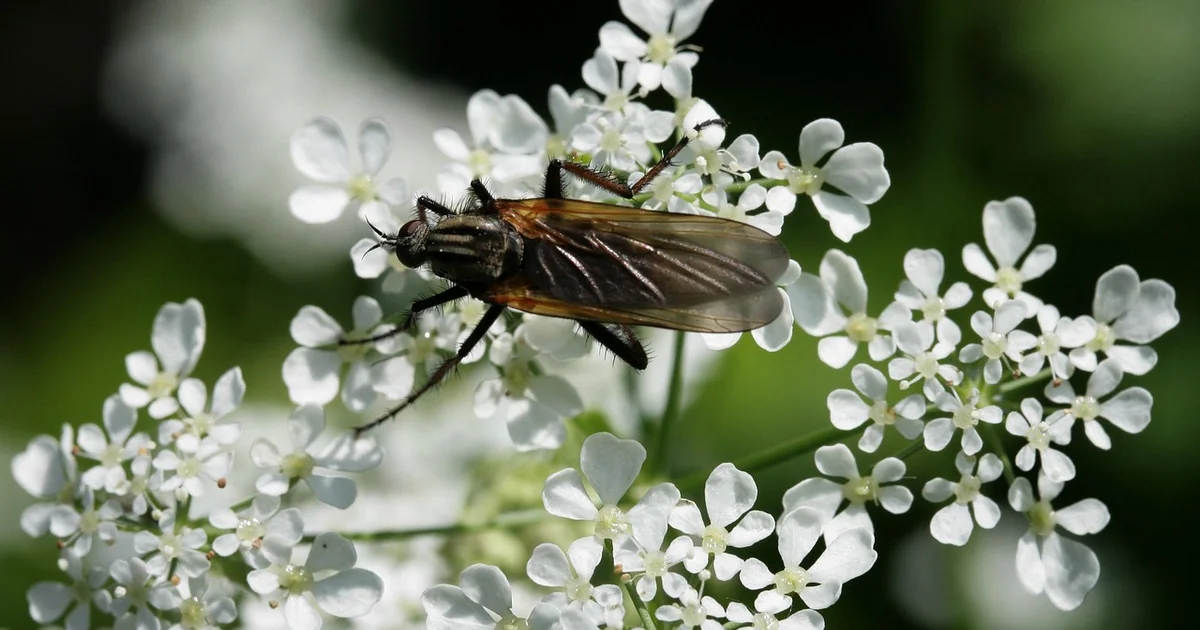
Before diving into the solutions, it helps to know why these pests show up in the first place. People often call every tiny flying insect a gnat, but the bugs you see in the kitchen are usually fruit flies, drain flies, or fungus gnats. All of them share a love for moisture, food residue, and fermenting organic matter. Forgotten fruits, dirty dishes, damp sponges, and gunk in drains create perfect breeding sites. Once you understand that, you can remove kitchen gnats by cutting off their food and water sources.
Five Effective Ways to Remove Kitchen Gnats
1. The Classic Apple Cider Vinegar Trap
This is the most famous DIY gnat trap for a good reason. It works beautifully, and you probably already have the ingredients. The apple cider vinegar smells like fermenting fruit to the gnats, drawing them in. Adding a drop of liquid dish soap breaks the surface tension of the vinegar, so the gnats sink and drown instead of landing safely.
What you need:
- A small bowl or shallow container
- Apple cider vinegar (about half a cup)
- Liquid dish soap (one or two drops)
- Optional: one teaspoon of sugar to boost the scent
- Plastic cling wrap
- A toothpick or fork to poke small holes
Step-by-step instructions:
- Pour the apple cider vinegar into the bowl. Add the sugar if using, and stir until dissolved.
- Add the drops of dish soap. Do not stir vigorously — just let the soap sit on the surface.
- Cover the bowl tightly with plastic cling wrap.
- Poke several small holes in the wrap using the toothpick. Make the holes just big enough for a gnat to enter.
- Place the trap in the area where you see the most gnats, such as near a fruit bowl or trash can.
Within a few hours, gnats will follow the scent, crawl through the holes, and become trapped in the liquid. Check the trap daily and replace it when it fills up or after about three days. Setting up two or three traps in different spots will remove kitchen gnats much faster than a single trap.
Why this works so well: The vinegar mimics the smell of overripe fruit, which is an irresistible lure for fruit flies and many types of gnats. The soap reduces the surface tension of the liquid from about 72 dynes per centimeter to nearly zero, so even lightweight insects cannot stay afloat.
2. Baking Soda and Vinegar Drain Treatment
Many people overlook drains as a source of gnats, but drain flies and fungus gnats love to breed in the slimy biofilm that lines sink pipes. This method uses a fizzy reaction to dislodge organic matter and break down the film. It is safe for most plumbing and costs pennies.
What you need:
- Half a cup of baking soda
- Half a cup of table salt
- One cup of white vinegar
- A kettle of boiling water
Step-by-step instructions:
- Mix the baking soda and salt together in a small bowl.
- Pour the dry mixture directly into the kitchen drain. Try to get it into the pipe, not just sitting on the strainer.
- Immediately pour the cup of white vinegar down the drain. You will see a fizzing reaction almost at once.
- Let the mixture sit for one full hour. This gives the fizzing action time to scrub the pipe walls and the salt time to help dissolve organic buildup.
- Flush the drain with a kettle of boiling-hot water. The heat will wash away any loosened debris.
- A shallow bowl or tray (about two inches deep)
- A short candle (a tealight works best)
- Water
- Liquid dish soap (a few drops)
- Place the candle in the center of the shallow bowl. Use a small amount of melted wax to stick it to the bottom if needed.
- Pour water into the bowl until it is about half an inch deep. The water should not touch the flame when the candle is lit.
- Add three drops of dish soap to the water. Again, the soap breaks the surface tension so gnats that land on the water will sink.
- Light the candle in the evening in an area where you have seen gnats. Keep the room dim to make the flame more attractive.
- Watch as gnats fly toward the light. Many will fly directly into the flame, while others will be drawn to the reflection on the water and drown.
- Store fruit properly: Keep ripe fruit in the refrigerator or in a sealed container. Overripe fruit is a prime target.
- Take out trash regularly: Empty kitchen trash bins every day, especially during warm months. Rinse the bin with soapy water once a week.
- Clean drains weekly: Use the baking soda and vinegar treatment once a week to keep pipes free of biofilm.
- Dry sponges and rags: Replace sponges often or microwave them damp for one minute to kill bacteria. Do not leave wet rags in the sink.
- Fix leaks: Even a small drip under the sink creates moisture that attracts gnats. Repair any leaking pipes or faucets.
- Check houseplants: Allow soil to dry out between waterings. Remove any fallen leaves or decaying matter from the pot.
Repeat this treatment once a week for a month to remove kitchen gnats that are nesting in the plumbing. During the process, cover the drain overnight with a saucer or a piece of duct tape to prevent any adult flies from escaping. After the treatment, you should notice far fewer gnats within a few days.
Scientific detail: The chemical reaction between baking soda (sodium bicarbonate) and vinegar (acetic acid) produces carbon dioxide gas. The gas bubbles physically dislodge biofilm and food particles. Meanwhile, the salt (sodium chloride) acts as an abrasive and helps dehydrate any organic matter, making it easier to flush away.
3. The Candle and Water Trap
If you prefer not to use chemicals or sticky traps, a simple candle can become an effective tool. Gnats are strongly attracted to light and heat. This trap combines a flame with a reflective water surface to lure them in. It works especially well in the evening when other light sources are dim.
What you need:
Step-by-step instructions:
Important safety warnings: Never leave a lit candle unattended. Keep it away from children, pets, curtains, and anything flammable. Do not leave it burning overnight. Extinguish the candle before leaving the room or going to sleep. This method is best used during a supervised hour or two in the evening.
This trap is surprisingly effective at removing kitchen gnats that are active at dusk. It also adds a cozy ambiance to the kitchen, which is a pleasant bonus.
You may also enjoy reading: Pro Cleaners Say: 7 Things to Clean Every Weekend.
4. Sticky Traps and Plug-In Devices
Commercial sticky traps are an excellent hands-off solution. They require no mixing, no cleaning, and no monitoring beyond occasional replacement. There are two main types: the plug-in light traps that use a warm glow to attract gnats and then catch them on a sticky panel, and the simple glue cards that stand upright in potting soil.
Plug-in light traps: These devices look like small nightlights. You plug them into a wall socket near the problem area. The built-in ultraviolet or warm LED light draws gnats, fruit flies, and even small moths toward the device. A replaceable glue board inside catches them. Many brands sell refills. Place one near a fruit bowl or a sink. Because the light is gentle, it does not disturb sleep if you have one in the kitchen overnight. Change the glue board every two to four weeks or when it becomes covered with insects.
Glue cards for plants: Fungus gnats often live in houseplant soil. They lay eggs in the damp dirt, and the larvae feed on organic matter. Sticky cards that stand upright in the pot catch the adults and break the breeding cycle. Stick the card into the soil near the edge of the pot. The bright yellow color attracts adult gnats. Replace when full. This method targets the specific type of gnat that loves potting mix.
Cost and efficiency: A pack of glue cards costs around five dollars and can last a month. Plug-in traps cost between ten and twenty dollars, with refill boards around five dollars each. Compared to the frustration of a persistent infestation, these are a small investment. For best results in removing kitchen gnats, combine sticky traps with drain cleaning and the vinegar trap.
5. Cinnamon as a Natural Repellent
While traps catch and kill adult gnats, repellents help keep them away in the first place. Cinnamon is a powerful natural deterrent. Its strong scent confuses the insects’ olfactory senses, making it hard for them to locate food sources. You can use ground cinnamon or cinnamon essential oil.
How to use ground cinnamon: Sprinkle a light layer of ground cinnamon directly into the kitchen trash can. Focus on the bottom and around the edges where moisture collects. You can also sprinkle cinnamon in the soil of houseplants to discourage fungus gnats. Another option is to place a small open dish of cinnamon near a fruit bowl. Reapply every few days, especially after you empty the trash or water plants.
How to use cinnamon essential oil: Mix ten drops of cinnamon oil with one cup of water in a spray bottle. Shake well and mist areas where gnats congregate, such as near the sink, around the trash can, and on kitchen counters. Avoid spraying directly on food or surfaces that come into contact with food; instead, spray a cloth and wipe. The scent will repel gnats without leaving a sticky residue.
Why it works: Research has shown that cinnamon extracts have insecticidal and repellent properties against several types of flies. A 2019 study published in the Journal of Pest Science found that cinnamon essential oil reduced fruit fly egg-laying by more than 70% when applied to surfaces. The fragrance masks the attractive smells that bring gnats into your kitchen.
Pro tip: Combine cinnamon with the apple cider vinegar trap. Place the trap near your fruit bowl, and sprinkle cinnamon around the base of the bowl. The trap lures and kills the gnats that are already present, while the cinnamon deters new ones from settling in.
Preventing Gnats From Coming Back
Removing kitchen gnats is only half the battle. To stop them permanently, you need to eliminate their breeding grounds. Here are the most important prevention habits:
By combining these five methods with consistent maintenance, you can remove kitchen gnats and enjoy a pest-free kitchen without harsh chemicals. Start with the vinegar trap tonight, clean your drains tomorrow, and sprinkle a little cinnamon while you are at it. Within a week, the cloud of flying pests should be nothing but a memory.