When Underground Nesters Become a Backyard Problem
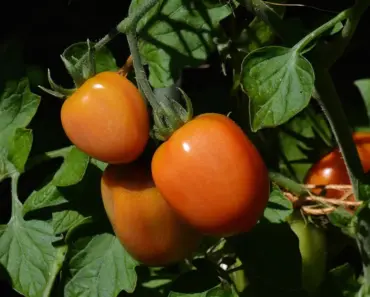
You step outside to water your tomato plants and notice a steady stream of yellow-and-black insects disappearing into a small hole in the soil. Your first instinct might be to grab a can of spray and eliminate the problem. But these ground-nesting insects play a complex role in your garden’s ecosystem. They hunt caterpillars, flies, and beetle larvae that would otherwise damage your vegetables. They also visit flowers for nectar, contributing to pollination. The trouble begins when their nesting site sits near a walkway, a play area, or your front door. A single accidental step or a lawnmower passing over the entrance can trigger a defensive response. Understanding how to handle the situation safely requires knowing what you are dealing with and choosing the right approach for ground wasp removal.
Identifying a Ground Wasp Nest
Before you take any action, you need to confirm that the hole in your yard belongs to a ground wasp and not to a different animal. Ground wasp nests have a few telltale signs.
The entrance hole is usually about an inch and a half in diameter. You will see a conical pile of loose dirt around the opening, resembling a small volcano. The wasps prefer sandy or loose soil because it is easier to dig. You may notice several holes close together, especially if a social colony has multiple entrances. Activity is highest during warm daylight hours. Watch from a safe distance. If you see wasps flying low over the ground, hovering near the hole, and carrying prey or nest-building material, you have found a nest.
Nests often appear near fruit trees, berry bushes, or flowering plants because the adult wasps feed on nectar and sugary substances. The larvae eat the protein-rich prey the adults bring back. If the nest is in an area you rarely visit, consider leaving it alone. The wasps will die off naturally in the fall, and the queen will leave to start a new colony elsewhere next spring. Only intervene if the nest poses a direct threat to people or pets.
Assessing Whether Removal Is Necessary
Not every ground wasp nest requires action. Solitary wasps, such as cicada killers and great golden diggers, rarely sting and provide valuable pest control. A single female cicada killer can capture and paralyze dozens of cicadas over the summer. If her burrow is in a flower bed away from foot traffic, the best approach is to let her be. The nest will be abandoned by the end of the season.
Social wasps present a different calculation. A yellow jacket colony in a high-traffic area is a genuine safety concern. Children playing nearby, pets exploring the yard, or anyone mowing the lawn near the entrance could trigger an attack. In those cases, removal is justified. Always weigh the risk against the ecological benefit. If you decide to proceed, choose a method that minimizes harm to yourself and the surrounding environment.
Seven Steps for Safe Ground Wasp Removal
The following steps outline a systematic approach to removing a ground wasp nest. Each step builds on the previous one, so follow them in order. Rushing or skipping steps increases the chance of stings or incomplete removal.
Step 1: Identify the Species First
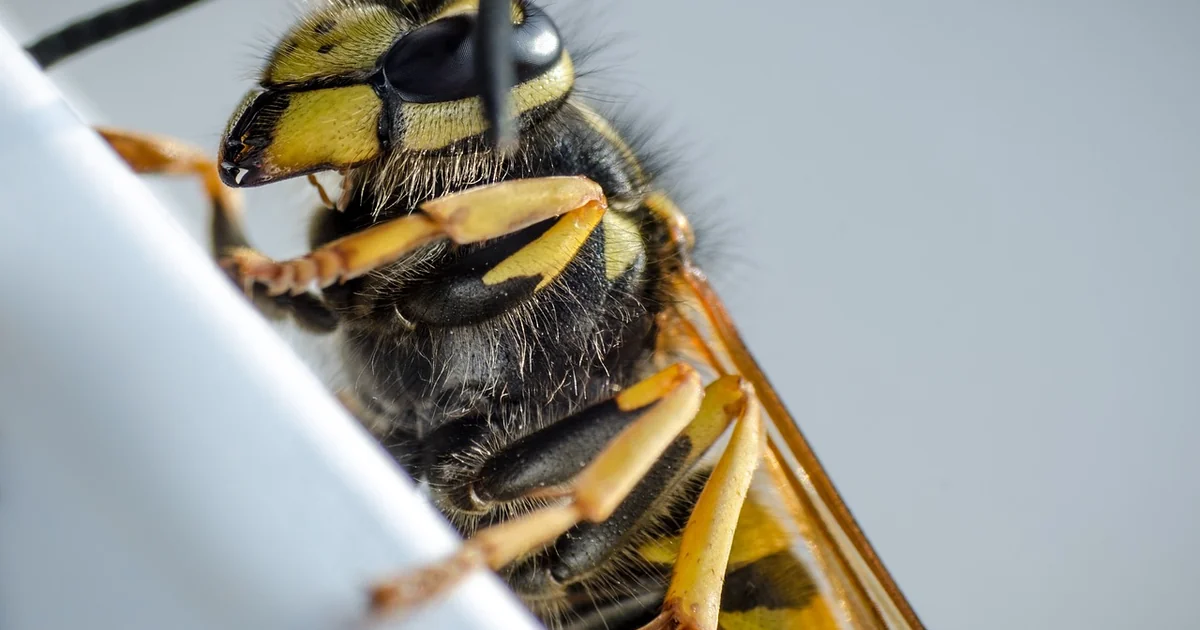
Take a few minutes to observe the wasps from a safe distance. Note their size, color pattern, and behavior. Yellow jackets are small, about half an inch long, with bold yellow and black stripes. They fly in a direct, purposeful manner and enter and exit the nest frequently. Cicada killers are much larger, about two inches long, and they fly with a loud buzzing sound. They often hover near the entrance before entering. Great golden diggers have golden hairs on their head and thorax and a metallic blue abdomen. Knowing what you are dealing with tells you how aggressive the colony is likely to be. Social species require more caution and more thorough treatment.
Step 2: Choose the Right Time of Day
Wasps are diurnal. They are most active during the warmest part of the day. In the evening, as temperatures drop, they return to the nest and become sluggish. The best window for treatment is about an hour before sunset. At that time, most of the colony is inside the nest. Their reduced activity level makes them less likely to mount a rapid defense. Never attempt treatment during the day when foragers are coming and going. You will almost certainly be stung.
Step 3: Wear Protective Clothing
Do not approach a ground wasp nest in shorts and a t-shirt. Wear long pants, a long-sleeved shirt, closed-toe shoes, and socks. Tuck your pants into your socks. Wear gloves. A hat with a brim helps keep wasps away from your face. If you have a beekeeper veil or a mosquito head net, use it. The goal is to cover as much skin as possible. Even a non-aggressive wasp will sting if it feels trapped against your skin.
Step 4: Use a Soap and Water Solution
This is one of the most effective and least toxic methods for ground wasp removal. Mix about one-quarter cup of liquid dish soap with one gallon of water in a large bucket or watering can. Stir gently to combine. The soap breaks the surface tension of the water. When the solution hits the wasps, it coats their bodies and clogs their breathing pores, called spiracles. They suffocate within seconds.
Approach the nest slowly and quietly. Do not shine a flashlight directly into the hole, as wasps are attracted to light. Pour the entire gallon of soapy water into the nest entrance quickly and steadily. Step back immediately. Do not block the entrance. The water will flood the tunnels and kill the wasps inside. Wait at least 24 hours before checking the nest. If you see no activity, the colony is gone. If a few wasps remain, repeat the treatment.
Step 5: Apply Diatomaceous Earth as a Backup
Diatomaceous earth is a fine powder made from fossilized algae. The microscopic particles are sharp and abrasive. When wasps walk through the powder, it cuts through their exoskeleton and causes them to dehydrate and die. This method works more slowly than soap and water, but it is useful for nests that are difficult to reach or for follow-up treatment.
Use food-grade diatomaceous earth, not the type used for pool filters. Wear a dust mask to avoid inhaling the fine particles. Wait until evening when the wasps are inside. Sprinkle a generous amount of powder around the entrance and directly into the hole. Use a small scoop or a bulb duster to push the powder deep into the tunnel. The wasps will track it through the nest as they move. Within a day or two, the colony should be eliminated. Reapply after rain, as moisture ruins the powder’s effectiveness.
Step 6: Keep the Soil Moist
This is a preventive measure as much as a removal technique. Ground wasps prefer dry, loose soil for digging. If you keep the area around the nest consistently moist, the soil becomes heavy and compacted. The wasps struggle to dig and may abandon the site. Water the area thoroughly every evening for a week after treatment. This also helps wash away any remaining soap residue or diatomaceous earth. Over time, the soil will settle, and the wasps will not return to the same spot.
Step 7: Seal the Entrance After Confirming the Nest Is Empty
Wait at least three days after treatment to ensure all wasps are dead. On a cool morning or evening, approach the nest. If you see no wasps entering or leaving, the colony is likely gone. Fill the hole with soil and pack it down firmly. Cover the area with landscaping fabric or a layer of gravel to discourage future nesting. Monitor the spot for a few weeks. If new holes appear nearby, repeat the treatment process. Wasps sometimes establish satellite nests if the original colony was large.
You may also enjoy reading: 7 Ways to Keep Deer From Eating Hostas.
Additional Natural Deterrents
If you prefer to avoid direct treatment, several natural deterrents can discourage ground wasps from nesting in your yard. These are not guaranteed to remove an established colony, but they can reduce the likelihood of new nests forming.
Planting Repellent Herbs
Wasps are sensitive to strong scents. Planting mint, thyme, eucalyptus, or lemongrass near areas where you have seen nests can make the area less attractive. Crush a few leaves and rub them on your skin or clothing when working near the garden. The essential oils in these plants mask the scents that attract wasps.
Using Vinegar Traps
Forager wasps that are looking for food can be caught in simple traps. Fill a shallow dish with apple cider vinegar, a tablespoon of sugar, and a drop of dish soap. Place the dish away from the nest but near the garden. The vinegar smell attracts the wasps, and the soap breaks the surface tension so they drown. This method reduces the number of foraging wasps but does not eliminate the colony.
Removing Food Sources
Ground wasps are drawn to protein and sugar. Keep trash cans tightly sealed. Pick up fallen fruit from under trees. Clean up pet food bowls after your pet finishes eating. If you compost, avoid adding meat scraps or sugary fruit to the pile. A yard with fewer food sources is less appealing to wasps looking for a nesting site.
What Not to Do
A few common approaches cause more harm than good. Avoid using gasoline, lighter fluid, or other flammable liquids. Pouring these into a nest is extremely dangerous. The fumes can ignite, and the chemicals contaminate the soil and groundwater. Do not seal the entrance with concrete or soil while the wasps are still inside. They will chew their way out, often through a different spot, and may enter your home or garage. Never attempt to vacuum a ground nest. The vacuum tube can collapse the tunnel and agitate the wasps, leading to a swarm inside your house.
When to Call a Professional
Some situations are beyond a DIY approach. If the nest is inside a wall cavity, under a concrete slab, or in a location you cannot safely reach, call a licensed pest control professional. They have equipment designed for injecting insecticide into deep tunnels without direct contact. If you are allergic to wasp stings, do not attempt removal yourself. Even a single sting can cause a severe reaction. If you are unsure about the species or the size of the colony, a professional inspection provides clarity and peace of mind.
Professional services typically cost between $100 and $300 for ground wasp nest removal, depending on the difficulty and location. That cost is worth avoiding an emergency room visit. Many companies offer a guarantee and will return if the wasps come back within a certain period.
Living Alongside Ground Wasps
Not every wasp needs to be removed. Solitary wasps are fascinating to watch. A female cicada killer dragging a paralyzed cicada into her burrow is a remarkable sight. These insects have been doing this work for millions of years. They keep cicada populations in check and provide food for birds and other predators. If their nest is in a low-traffic area, consider marking the spot with a small flag so you remember to avoid it. The wasps will be gone by autumn, and the burrow will collapse over winter.
Social wasps are more challenging, but they also serve a purpose. A single yellow jacket colony can consume thousands of pest insects over a season. They are part of the natural checks and balances in your garden. The goal of ground wasp removal should not be to eliminate every wasp from your property. It should be to manage the ones that pose a real threat while leaving the beneficial ones alone.
Taking the time to observe, identify, and choose the right method ensures that you solve the problem without creating new ones. A well-maintained yard with healthy soil, proper drainage, and minimal food sources is far less attractive to ground wasps. Combine those preventive habits with the seven steps above, and you can enjoy your outdoor space with far less worry about what is buzzing around your feet.