Imagine stepping into your backyard on a mild May morning, basket in hand, to gather a handful of blossoms that will transform a simple salad into a visual feast. This scenario is becoming more common as home cooks discover the joy of using homegrown blooms in the kitchen. The appeal is not just about impressing dinner guests, though that is a welcome side benefit. Research indicates that a beautifully arranged plate makes the same ingredients taste roughly 18 percent better than when served carelessly. That small psychological boost means your peppery nasturtium petals or crunchy dahlia flecks do more than please the eye — they genuinely improve the eating experience.
The concept of growing edible flowers is not new, but it is enjoying a revival. Many plants we now treat purely as ornamentals were once cultivated as food crops. Dahlias, for instance, were a key ingredient in ancient Mesoamerican diets. Today, a new generation of gardeners is rediscovering the flavor potential of these blooms. If you plant in May, you give yourself a long season of harvests. The seven flowers described below are reliable, versatile, and rewarding for anyone interested in growing edible flowers for fabulous flavor. Each one offers something unique, from a spicy kick to a fruity floral note, and all are straightforward enough for beginners.
1. Nasturtiums: The Peppery Powerhouse
Nasturtiums are arguably the easiest entry point into the world of edible blooms. Both the flowers and the leaves carry a sharp, watercress-like heat that brightens salads, sandwiches, and even pesto. The plants are famously unfussy, thriving in poor soil and full sun. They are generally treated as annuals in most climates, though they behave as perennials in USDA zones 10 and warmer. That means you will need to sow seeds each spring, but the effort is minimal.
Flavor Variations and the Spiciest Part
Not all nasturtiums taste the same. Some cultivars are mild and almost sweet, while others pack a fiery punch. If you find a particular bloom too peppery, simply snip off the back spur — that small nub at the base of the flower contains the highest concentration of heat. Removing it leaves a milder petal that still offers color and a subtle bite.
Two Growth Habits to Know
There are two main types. Tropaeolum minus forms compact, bushy mounds that need no support. A striking example is ‘Black Velvet’, whose velvety ruby-black petals look dramatic against green leaves. Tropaeolum majus is a climber that requires a wigwam of canes or a trellis. Alternatively, let it trail from a hanging basket. ‘Purple Emperor’ is a superb trailing variety; its flowers open in shades of purple and fade into lavender and dusky rose, creating a color-changing display throughout the season.
Practical Challenges and Solutions
One common problem when growing edible flowers like nasturtiums is encouraging plenty of blooms instead of just leaves. The solution is surprisingly simple: do not fertilize heavily. Rich soil produces abundant foliage at the expense of flowers. Plant nasturtiums in lean ground and water only when the soil feels dry. You will be rewarded with a profusion of blossoms from early summer until the first frost.
2. Dahlias: Color, Crunch, and a Tuberous Bonus
Native to Mexico, dahlias were originally grown for their edible tubers and petals. It is only in the last fifty years or so that they have become famous primarily as ornamental garden stars. The petals add a satisfying crunch to salads along with a spectrum of colors ranging from pale apricot to deep burgundy. Their flavor profile varies widely — some taste like green apple, others like refreshing water chestnut.
Crystallized Petals for Showstopper Cakes
You can turn dahlia petals into glittering cake decorations. Brush each petal lightly with egg white, then dust with superfine caster sugar. Let them dry on a wire rack for a few hours. The result is a crisp, jewel-like garnish that looks store-bought but costs pennies to make. This technique works beautifully for rose petals too.
Eating the Tubers
The tubers are also edible. They can be eaten raw, though most people prefer them boiled or baked like a potato after peeling the bitter skin. Keep in mind that modern hybrid dahlias have been bred primarily for flower size and shape, not flavor. For the best taste, seek out heirloom varieties such as Dahlia coccinea, which retain their original culinary qualities. Eden Brothers offers a wide selection of these heritage cultivars.
Overwintering in Cold Climates
Dahlias are perennial in zones 8 through 11, but in colder regions the tubers must be lifted after the first frost, dried, and stored in a cool, dark place over winter. This extra step deters some gardeners, but the payoff is spectacular. When you replant in May, the tubers produce vigorous growth and bloom from midsummer well into autumn.
3. Roses: The Classic Floral Flavor
No garden feels complete without a rose bush, and many modern varieties have been bred specifically for culinary use. Rose petals taste sweet and floral, with some cultivars offering fruity or citrusy undertones. They can be used to make jam, infuse honey or vinegar, or crystallize for cake decorations.
Chemical-Free Growing Is Non-Negotiable
A critical rule when growing edible flowers like roses is to avoid any plant that has been treated with systemic pesticides or fungicides. Florist roses and nursery stock are often sprayed with chemicals not meant for human consumption. Always grow your own from certified organic stock, or purchase pesticide-free plants from a reputable source. Even then, rinse petals gently before use.
Choosing the Right Cultivar
Not all roses taste equally pleasant. Older shrub roses and species roses tend to have the strongest fragrance and best flavor. ‘Rosa damascena’ and ‘Rosa rugosa’ are classic choices for culinary use. Look for varieties sold as “edible roses” or “culinary roses.” They require full sun, well-drained soil, and regular pruning to keep the plant healthy and productive.
Simple Uses in the Kitchen
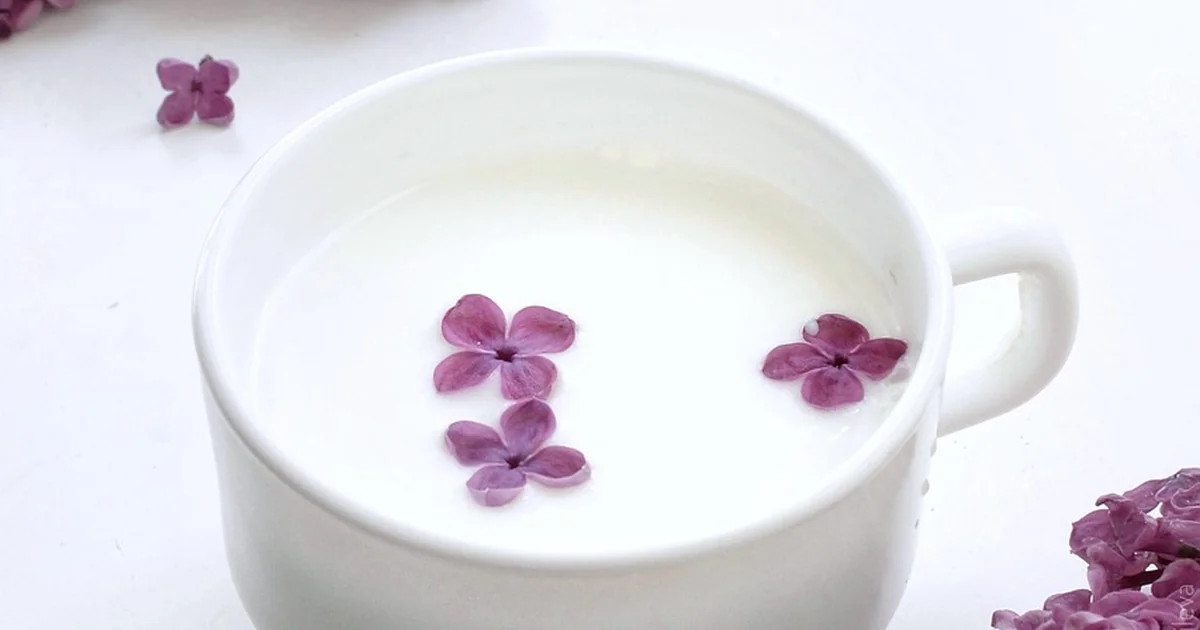
Beyond crystallized petals, you can steep fresh petals in warm cream or milk to flavor desserts. Rose petal jam is a traditional treat in many Middle Eastern cuisines. A handful of petals tossed into a green salad adds a delicate floral note that pairs wonderfully with goat cheese and walnuts.
4. Calendula: The Poor Man’s Saffron
Calendula, also known as pot marigold, has been used in cooking and medicine for centuries. The bright orange and yellow petals contain carotenoids that give them a sunny hue, and they add a mild, peppery, slightly tangy flavor to dishes. More importantly, the petals can be dried and used as a saffron substitute, lending a golden color to rice, soups, and baked goods.
Easy Growing from Seed
Calendula is one of the most forgiving plants for beginners. Sow seeds directly in the garden in May after the last frost. They germinate quickly and bloom within six to eight weeks. The plants tolerate cool weather well and often flower until the first hard freeze. Deadhead regularly to keep the blooms coming.
You may also enjoy reading: 7 Proven Tips to Grow and Care for Calathea Ornata.
A Solution for Short Growing Seasons
One challenge with many edible flowers is that they need warmth to thrive. Calendula, however, performs well in cooler spring temperatures. That makes it an ideal choice for northern gardeners who want quick results. If your soil is heavy clay, amend it with compost to improve drainage, but otherwise calendula is not fussy.
5. Borage: Cucumber-Flavored Blue Stars
Borage produces stunning star-shaped blue flowers that taste remarkably like fresh cucumber. The petals are delicate and look lovely floating in drinks, frozen in ice cubes, or scattered over salads. The leaves are also edible but have a fuzzy texture that some people find unpleasant; the flowers are smooth and much more palatable.
Self-Seeding and Pollinator Friendly
Once you plant borage, you may never need to sow it again. It self-seeds freely, popping up year after year in the same spot. The plants grow quickly, reaching about two to three feet tall. They are also excellent bee magnets, so planting borage near your vegetable patch improves pollination for squash, tomatoes, and other crops.
Managing the Sprawling Growth
Borage can get floppy, especially after heavy rain. A simple solution is to plant it in a group and let the stems lean on each other, or provide a low ring of stakes. Alternatively, allow it to grow through a perennial border where taller plants will give support. The blue flowers are so charming that the messiness is easily forgiven.
6. Chive Blossoms: Mild Onion Punch with Purple Pompoms
Chives are a staple herb in most kitchen gardens, but their blossoms are often overlooked. These spherical purple flowers are perfectly edible and carry a mild onion-garlic flavor that is much gentler than the leaves. They make a striking garnish for soups, scrambled eggs, and dips, and they can be used to infuse vinegar with a rosy pink hue.
Growing Chives for Both Leaves and Flowers
Chives are perennials that come back reliably every year. Plant them in a sunny spot with well-drained soil. They are drought-tolerant once established and produce flowers in late spring. To keep the plants productive, cut the flower stalks after blooming, or harvest them just as the buds begin to open. The flowers last only a few days, so check your patch daily during peak season.
The Vinegar Trick
To make onion-flavored vinegar, simply stuff a clean jar with chive blossoms and pour white wine vinegar over them. Seal and let it sit for a week in a sunny window. Strain out the petals and you will have a beautiful pink vinegar that adds a subtle savory note to salad dressings and marinades.
7. Pansies and Violas: Cheerful Faces with a Wintergreen Hint
Pansies and violas are cool-season annuals that thrive in early spring and fall. Their petals have a mild, slightly grassy flavor with a faint wintergreen or minty aftertaste. Because of their cheerful faces and wide color range, they are a favorite for decorating cakes, cupcakes, and pastries. They can also be candied the same way as rose and dahlia petals.
Planting in May for a Long Bloom Period
In most regions, May is the perfect time to set out pansy transplants. They appreciate cooler temperatures, so if your May afternoons get hot, choose a spot with morning sun and afternoon shade. Regular deadheading keeps them flowering until summer heat causes them to slow down. A second bloom period often arrives in September.
Avoiding Bitter Tastes
Some viola species, like the common Johnny-jump-up, have a more pronounced wintergreen flavor that some people find bitter. If you prefer a milder taste, stick with modern hybrid pansies bred for bedding rather than wild types. Always taste a single petal before using a whole batch in a recipe.