Every gardener knows the thrill of a perennial that returns year after year. That promise of reliable beauty is hard to resist. But not every plant lives up to its reputation. Some are divas that demand constant attention. Others bloom for a blink and then sulk for months. Choosing the wrong perennial can turn your garden into a chore rather than a sanctuary.
So, if you have been on the hunt for which perennials are actually worth your time versus which ones you should skip, look no further. We spoke with a seasoned gardener to uncover the truth about five popular but overrated perennials that might be better left at the nursery this spring.
Why Some Perennials Disappoint
The problem often starts at the garden center. A plant in full bloom looks irresistible. You bring it home, plant it with hope, and wait. The first season might be magical. Then reality sets in. The bloom window closes quickly. The foliage turns ratty. The plant demands more water, more deadheading, or more staking than you ever expected.
For a plant to earn its place in your garden, it should offer more than a fleeting moment of beauty. It should look good for several weeks, require reasonable care, and not invade its neighbors. The five perennials listed here fail on at least one of these counts.
1. Peonies: A Brief Burst of Glory
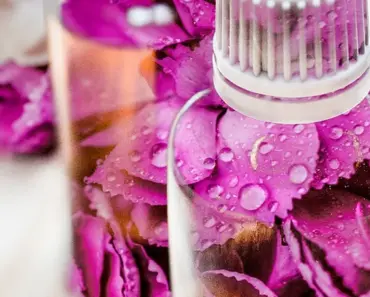
Peonies are the undisputed queens of the spring garden when they bloom. Those massive, fragrant blossoms in shades of pink, white, and red are stunning. But farmer and gardener Anna Hackman, founder of The Naked Botanical, points out a harsh truth. “They bloom quickly, and if you have a rainstorm, their petals scatter. Then no more blooms.”
The bloom period for most peonies lasts only about seven to ten days. After that, you are left with a mound of dark green foliage that looks attractive for a while but can become floppy and tired by late summer. By fall, the plants can look worn, as Hackman notes. The leaves may develop spots or simply turn an uninteresting brown.
That brief window of perfection requires a lot of patience. You wait eleven months for ten days of flowers. For a gardener with limited space, that is a heavy price to pay. If you already have peonies, you can extend the season by planting early, mid, and late varieties. But even then, the total bloom time rarely exceeds three weeks.
Consider a low-maintenance alternative like Russian sage or catmint. These plants offer weeks of color and stay tidy without constant attention.
What If You Already Planted Peonies?
If your peonies are already in the ground, do not panic. They are not a lost cause. You can plant other perennials around them that bloom later in the season. Daylilies (the more reliable varieties), echinacea, or black-eyed Susans can fill the gap. This way, your garden has continuous color even after the peonies fade. You can also cut the peony foliage back after it yellows in autumn to keep the bed looking neat.
2. Daylilies: Unreliable Blooms and Aggressive Spread
Daylilies are a classic cottage garden staple. Their trumpet-shaped flowers come in a rainbow of colors. But Hackman warns that they can be a hit or miss when it comes to blooming every year. “Sometimes they don’t bloom because they are too crowded, so you have to maintain your patch,” she explains.
This maintenance is not trivial. To encourage reliable blooming, you must divide the clumps every three to four years. If you skip this step, the plants become congested, and flower production drops sharply. That is a lot of digging and replanting for a plant that is supposed to be low-effort.
Another issue is their tendency to spread. Daylilies can easily spread throughout your garden, Hackman notes. If you are not looking to have these orange blooms all over your outdoor space, it is best to opt out of planting them. The common orange daylily (Hemerocallis fulva) is especially aggressive. It can escape garden beds and invade natural areas.
For a more reliable, less invasive alternative, try yarrow or salvia. Both bloom for long periods and do not require frequent division.
How to Manage Existing Daylilies
If you already have daylilies and want to keep them in check, mark your calendar. Divide them every three years in early spring or after they finish blooming. Dig up the entire clump, separate it into smaller sections with a sharp spade, and replant only the healthiest pieces. Give the extras to a friend or compost them. This keeps the plants vigorous and prevents them from taking over.
3. Lavender: Fragrant but Needy
Lavender is beloved for its calming scent and silvery foliage. But it is not a plant you can just stick in the ground and forget. Hackman explains that it needs the perfect spot in your garden to thrive throughout the season. “It needs proper drainage and a sunny spot to grow well.”
Many gardeners underestimate how finicky lavender can be. It requires soil that drains very quickly. Heavy clay or compacted ground will kill it within a season. It also demands full sun—at least six to eight hours of direct light daily. If your garden has even partial shade, lavender will become leggy and produce few flowers.
Then there is the pruning. “Plus, you need to prune it year to year,” Hackman says. “Many people aren’t willing to invest the time in making sure their lavender is happy, so it isn’t a great plant for everyone.” Lavender needs a hard pruning after flowering to keep it from becoming woody and sparse. Skip this step, and the plant will look ragged within two years.
Climate is another factor. Lavender prefers warm, dry summers and cold, damp winters. If you live in a humid region, it will likely succumb to root rot. For gardeners in the Pacific Northwest or the Southeast, lavender is often a short-lived plant.
You may also enjoy reading: 5 Must-Have ALDI Garden Range Items.
If you love the look of lavender but want something easier, consider bearded iris or coreopsis. Both offer similar color palettes with far less fuss.
Can You Salvage a Struggling Lavender Plant?
If your lavender is already planted and looking unhappy, check the drainage. Dig a small hole near the plant and fill it with water. If the water does not drain within an hour, the soil is too heavy. You can try moving the plant to a raised bed or a mound of sandy soil. Prune it back by about one-third after it flowers, cutting just above a leaf node. If the center of the plant is woody and bare, it may be time to replace it with a fresh plant.
4. Foxgloves: Short-Lived and Unkempt
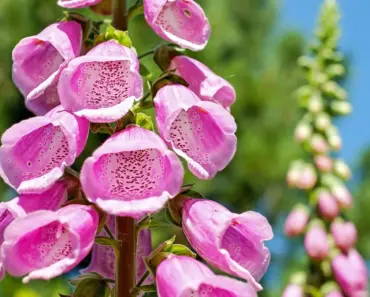
Foxgloves are tall, elegant spires that add vertical drama to any garden. Their bell-shaped flowers are a favorite of pollinators. But Hackman recommends skipping them because they often do not come every year for her. “If you want plants that last a couple of seasons, this may not be the right plant for you.”
Foxgloves are technically biennials, not true perennials. They grow foliage in their first year, bloom in their second, and then die. Some varieties are short-lived perennials that may return for a few years, but they are not reliable. You often have to replant them every year to ensure a steady display.
Another reason to skip this plant is that it can start looking unkempt in the summer heat. Without proper clipping, the plant will look worse for wear and may decrease the visual interest of your garden. The lower leaves often turn brown and scraggly as the flower spike rises. After blooming, the entire plant looks tired and needs to be cut back hard.
For a more dependable vertical accent, try hollyhocks or delphiniums. Both offer similar height and drama but are more likely to return year after year with proper care.
How to Keep Foxgloves Looking Good
If you love foxgloves and want to try them despite the drawbacks, plant them in groups of three or five. This way, if some fail, others will fill the gap. Deadhead the spent flower stalks promptly to encourage a second flush of blooms. Cut the stalks down to the basal rosette of leaves after flowering. In autumn, scatter fresh seeds around the base to ensure new plants for the following year.
5. Perennials That Demand Constant Deadheading
Some perennials are not overrated because they are ugly, but because they require relentless deadheading to look good. Plants like geraniums (the true perennial cranesbills), petunias (technically annuals but often treated as perennials in mild climates), and scabiosa need frequent snipping to keep blooming. If you miss a week, they stop flowering and develop seed heads that make the plant look messy.
For a gardener with limited time, this is a dealbreaker. You want plants that keep blooming without your constant intervention. Blanket flower (Gaillardia) is one example that does need deadheading but is forgiving if you skip a week. Sedum and ornamental grasses require almost no deadheading at all.
If you already have high-maintenance bloomers, group them together in one bed. This makes it easier to deadhead them all in one pass. Set a reminder on your phone for every Saturday morning. A quick ten-minute session can keep them looking fresh.
Why a Plant Looks Great at the Nursery but Disappoints at Home
Nurseries are designed to make plants look their best. They are grown in perfect soil, watered on a strict schedule, and often treated with growth regulators to keep them compact. When you bring them home, they face real-world conditions: less water, poorer soil, wind, and pests. The plant may also be root-bound from sitting in a small pot too long. This shock can cause it to struggle for an entire season.
To avoid this, always check the root system before buying. Gently slide the plant out of its pot. The roots should be white and spread throughout the soil, not circling the bottom in a tight knot. Avoid plants that look leggy or have yellowing leaves.