If you thought July was too late to start a vegetable garden, think again. In much of North America, this month is actually one of the best times for a second planting. The warm soil speeds up germination for many crops, and the cooler days and nights of late summer create ideal growing conditions. That makes midsummer gardening a smart move for anyone looking to extend their harvest well into fall. The key is to choose the right vegetables to plant in July — varieties that mature quickly and thrive as temperatures begin to drop.
Before you sow, check your average first fall frost date so you know your harvest window. For above-ground vegetables, many gardeners find that sowing just after the New Moon, as noted in Gardening by the Moon, can give seeds an extra boost. With a little planning, your fall garden planting can be just as productive as your spring one.
1. Bush Beans: Quick Harvest for a Late Start
If you missed the spring window for beans, don’t worry — bush beans are one of the fastest warm-season crops, perfect for a July sowing. Unlike pole beans that need trellising and more time, bush beans grow compactly and are ready to harvest in 50 to 60 days. That means you can still enjoy fresh, tender pods before the first frost arrives. They’re also a great choice for vegetables to plant July because they thrive in warm soil and don’t mind the heat as much as some other crops. For the best results, plant seeds about one inch deep and two inches apart, with rows spaced 18 to 24 inches apart. This bush bean planting depth ensures good germination and airflow, which helps prevent disease. If you have space, consider succession planting beans every two to three weeks for a continuous harvest well into early fall.
Watering is straightforward but important. Give your beans a deep soak once a week, and more often during hot, dry spells, to keep the soil evenly moist. Mulching around the plants can help retain moisture and keep the roots cool during midsummer. Keep an eye out for Japanese beetle control, as these pests can quickly damage leaves and pods. Handpick them in the early morning when they’re sluggish, or use a gentle spray of water to knock them off. Regular harvesting encourages more production, so check your plants every few days once the beans reach a pencil-thickness. With these warm season vegetables, a little care now pays off with a rewarding late-summer bounty.
2. Radishes: The Ultimate Fast Crop for Late Summer
If you are looking for instant gratification in the garden, radishes are exactly what you need. While other vegetables to plant July require weeks of patience, radishes can go from seed to harvest in as little as three weeks, making them a July no-brainer. Because they mature in just three to four weeks, you can sow multiple rounds throughout the month and into August, enjoying a steady supply of crisp, peppery roots. This practice, known as succession sowing, keeps your garden productive even when the heat is on.
Planting Radishes in July
For the best results, sow seeds about half an inch deep and one inch apart, then thin the seedlings to two inches apart once they sprout. This radish planting depth gives the roots enough room to plump up without crowding. Choose summer radish varieties like ‘Cherry Belle’ or ‘French Breakfast’, which are bred to handle warmer weather without turning woody or overly spicy. If you stagger your plantings every seven to ten days, you will always have a fresh batch ready to pull.
Watering and Thinning for Best Results
Consistent moisture is the secret to tender, quick growing vegetables. Keep the soil evenly damp — not soggy — especially during dry spells, because stress from drought makes radishes tough and overly pungent. A light mulch around the seedlings helps retain moisture and keeps the soil cool. Thin early and without hesitation; crowded radishes will stay small and misshapen. With a little attention to watering and spacing, these fast-growing crops will reward you with a crunchy, homegrown addition to salads and snacks all summer long.
3. Carrots: Sweeten Up Your Fall Garden
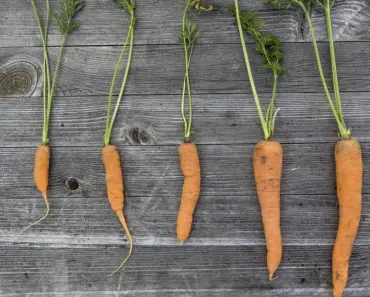
Now that your radishes are off to a fast start, consider another root vegetable that thrives in a July planting: carrots. This classic crop is one of the smartest vegetables to plant in July because warm soil speeds up germination, while the cooler temperatures of autumn naturally sweeten the roots. That means you can look forward to a fall carrot harvest full of crisp, sugary flavor. To get the best results, focus on a few key steps that make all the difference between crooked, tough carrots and straight, tender ones.
Start with proper carrot soil preparation. Carrots demand loose, stone‑free soil to grow straight roots without forking. Remove any rocks or clods and work the soil to a depth of at least 8 inches. When it comes to carrot planting depth, sow seeds only ¼ inch deep — any deeper and they may struggle to emerge. After the seedlings appear, thin them to stand 2–3 inches apart, with rows spaced 12–18 inches apart. Crowded carrots will stay small and twisted. For watering, keep the soil consistently moist until you see green sprouts; then reduce to about 1 inch of water per week. This steady moisture, combined with the chill of autumn, coaxes out natural sugars for sweet carrots from frost. A little patience now will reward you with a crunchy, homegrown treat when the leaves begin to turn.
4. Beets: Two Harvests from One Seed
Just as carrots sweeten with frost, beets also thrive in cooling temperatures, giving you a generous return from a single seed. Among the vegetables to plant july, beets are a standout choice because they offer both tender roots and nutritious greens. They tolerate light frost, which extends your harvest window well into autumn. For a successful planting, sow seeds ½ to 1 inch deep, spacing them 2 inches apart in rows 12 to 18 inches apart. Once the seedlings emerge, thin them to 3–4 inches apart. This beet planting depth and spacing encourage strong root development and allow the plants to grow without crowding.
Watering and Harvesting Both Roots and Greens: Beets need consistent moisture, so water deeply about once a week, especially if the weather stays warm. As the plants grow, you can snip young leaves for salads, leaving at least half the foliage to feed the root. This is an easy way to enjoy a beet greens harvest long before the roots are ready. For best flavor, aim for fall beet varieties that are bred for cooler weather. With beets, you get a true cool season root vegetable that rewards your July planting efforts with a double harvest. Just keep the soil moist and watch for the first frost—it only makes the roots sweeter.
5. Swiss Chard: Heat‑Tolerant Greens That Last Until Frost
If you’re looking for a leafy green that won’t bolt in the summer sun, Swiss chard is your answer. While many greens fade when the temperature rises, this hardy plant thrives in July’s heat and keeps producing well into fall. It’s one of the most reliable vegetables to plant in July for a continuous harvest. Swiss chard tolerates heat better than many leafy greens and produces until the first hard frost, so you can enjoy fresh, colorful leaves for months.
Also worth a read: 5 Steps to Revive a Stressed Indoor Plant Close to Death.
When planting Swiss chard in July, sow seeds ½ to 1 inch deep, spacing them 4 to 6 inches apart with rows 18 to 24 inches apart. This gives each plant room to develop sturdy stalks. Water deeply during dry spells to keep the soil consistently moist—this helps prevent bitterness and encourages tender growth. For a steady supply, practice cut and come again harvesting: snip the outer leaves when they reach about 6 inches long, leaving the inner crown to produce more. With a little fall chard care, including a layer of mulch to retain moisture and protect roots, your Swiss chard will keep yielding right up to the first frost. It’s a low-maintenance way to keep your garden productive through the changing seasons.
6. Kale: Frost‑Sweetened Superfood for Late Harvest
Kale sown in July will be kissed by frost, turning its leaves sweeter and more tender. This makes it a perfect choice among vegetables to plant july if you want a hearty green that tastes even better as the weather cools. For the best results, plant seeds at a kale planting depth of ¼–½ inch deep, spacing them 12–18 inches apart with rows 18–24 inches apart. This gives each plant room to grow those large, nutritious leaves you’ll be harvesting for months.
Consistent watering is key, especially during the heat of midsummer. You can follow standard midsummer gardening practices like watering deeply and adding mulch to keep the soil cool. Watch for cabbage worms, which love kale leaves—use row covers or handpick them to keep your crop healthy. Consider fall kale varieties like Siberian or Red Russian, which are known for their cold tolerance and frost sweetened kale qualities. With regular harvesting from the bottom up, you’ll enjoy fresh greens well into autumn, making this a low-maintenance addition to your late-season garden.
7. Heat‑Tolerant Lettuce: Crisp Salad Greens from a July Planting
If you thought lettuce was only for spring, think again. Special heat‑tolerant lettuce varieties make a July planting possible for a crisp fall harvest. After filling your garden with kale, turn your attention to lettuce—it’s one of the most rewarding vegetables to plant in July for a steady supply of fresh greens. Varieties like ‘Jericho’, ‘Nevada’, and ‘Red Cross’ are bred to resist bolting in warm weather, so they stay sweet and tender even when the thermometer climbs. Sow seeds just ¼ inch deep, spacing them 6–8 inches apart in rows 12–18 inches apart. For best results, plant during the cooler parts of the day—early morning or late evening—and keep the soil consistently moist with deep watering and a light layer of mulch.
To protect your lettuce from midday heat, provide afternoon shade using a shade cloth for lettuce or by planting near taller crops like tomatoes or corn. Consistent watering is key—lettuce roots are shallow, so a dry spell can quickly turn leaves bitter. Harvest outer leaves as needed, leaving the center to keep producing. This cut‑and‑come‑again method extends your fall lettuce harvest well into September. Keep an eye out for Japanese beetles and other midsummer pests; a quick handpick or a blast of water usually does the trick. With these simple strategies, you’ll enjoy crisp, homegrown salads even as the season shifts toward autumn.
Frequently Asked Questions
How often should I water these vegetables in July heat?
Check the soil every morning and water when the surface feels dry to the touch. Most July vegetables appreciate a deep, consistent soak at the base of the plant, preferably in the morning to reduce evaporation. Adding a layer of mulch keeps the roots cool and helps the soil stay evenly moist through hot afternoons.
Can I plant all seven vegetables in the same garden bed, or do they need separate spaces?
You can grow all seven in the same bed as long as each one gets enough room to spread. Bush beans and kale grow taller, so place them where they will not shade carrots, radishes, and lettuce; beets and Swiss chard fit neatly in between. This mix of vegetables to plant in July works well with a simple row layout or a grid of planting holes.
What is the average first fall frost date in my area, and how do I find it?
Your local extension service or a frost-date calculator online can tell you the average first fall frost date for your exact area. Count backward from that date to see whether each crop has enough time to mature before cold weather arrives. Most of these vegetables to plant in July are quick-growing, so even gardens with an early frost can still enjoy a fall harvest.