Creating a sustainable vegetable garden is a rewarding way to grow your own food while caring for the planet. By adopting a few smart strategies, you can transform your plot into an eco-friendly oasis that nurtures both plants and the environment. Sustainable vegetable gardening reduces your environmental impact and promotes biodiversity, making it a win-win for you and nature.
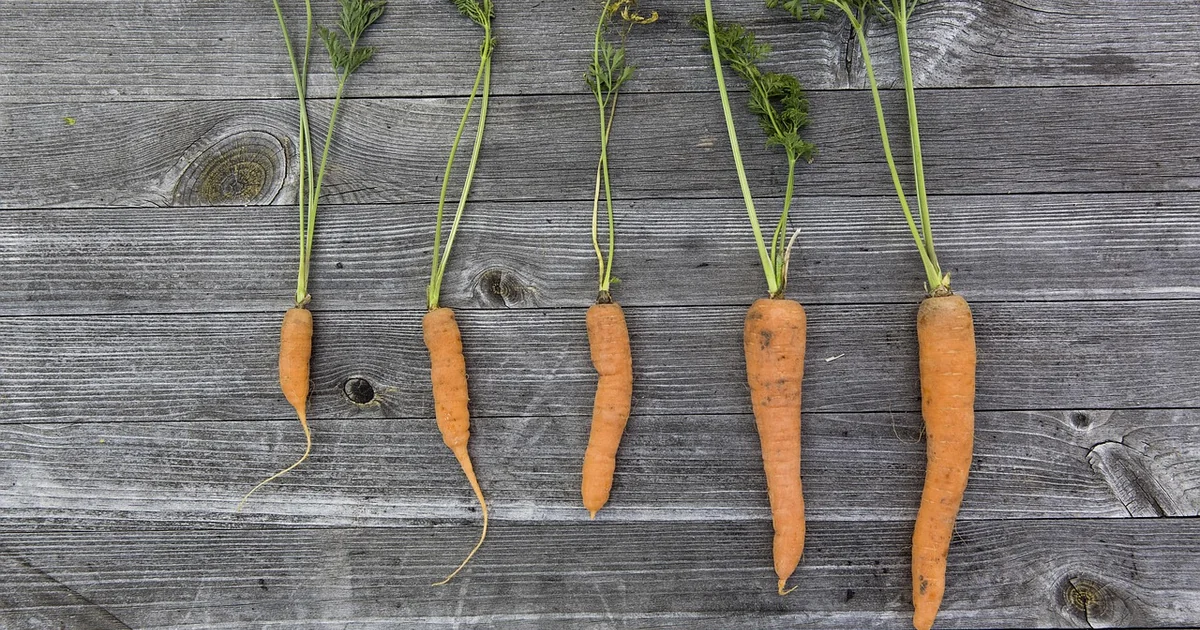
This guide covers seven practical methods that span seed starting, pest control, weed management, soil health, mulching, natural fertilizers, and water conservation. Whether you’re aiming for an organic vegetable garden or simply want to embrace eco-friendly gardening, these sustainable gardening methods will help you cultivate a thriving, low-maintenance space.
1. Start from Seed to Reduce Waste and Support Organic Varieties
If you’re building a sustainable vegetable garden, one of the simplest shifts you can make is to begin with seeds instead of nursery transplants. Starting from seed gives you full control over your plants from day one, and it’s a surprisingly effective way to cut down on waste. By reusing seed starting trays and pots year after year, you avoid the single-use plastic containers that often come with store-bought seedlings. That small habit adds up to real plastic waste reduction in your gardening routine.
There’s also the hidden environmental cost of transportation. Nursery plants travel from greenhouses to garden centers, burning fuel along the way. When you grow your own homegrown vegetables from seed, you eliminate that entire supply chain. Plus, you can choose organic seeds and heirloom seeds that haven’t been treated with synthetic pesticides or fungicides. This means your garden starts cleaner, supporting local pollinators and soil health from the very beginning. It’s a budget-friendly, low-waste approach that makes your sustainable vegetable garden truly eco-friendly from the ground up.
2. Implement Natural Pest Control with Crop Rotation and Physical Barriers
Once your soil is healthy and your garden is off to a clean start, the next step in maintaining a sustainable vegetable garden is keeping pests in check without resorting to harsh chemicals. A simple but powerful strategy begins with two cultural practices: thorough fall garden cleanup and annual crop rotation. By removing spent plants and debris after harvest, you eliminate hiding spots where pests and diseases can overwinter. Rotating your crops each year—planting vegetables from different families in different beds—breaks the life cycles of soil-borne pests and pathogens, so they never get a chance to build up. These low-effort habits drastically reduce the need for intervention later.
When pests do appear, physical barriers and targeted organic products offer effective protection. Lightweight row covers let in sun and rain while keeping insects like cabbage worms and flea beetles off your crops. For fruits and vegetables that are especially vulnerable, such as tomatoes and squash, fruit protection bags create a simple, reusable shield. If pests still get through, reach for organic pest control options like insecticidal soap spray, which suffocates soft-bodied insects, or Bacillus thuringiensis (Bt), a natural bacterium that targets caterpillars without harming beneficials. Together, these methods keep your garden productive and your family safe.
3. Control Weeds Without Chemicals Using Mulch and Smothering
Just as you protect your crops from pests without harsh sprays, you can keep weeds at bay with gentle, earth-friendly methods. A sustainable vegetable garden thrives when you manage weeds naturally, because manual techniques and soil coverings do double duty: they stop unwanted plants while feeding your soil. Start by hand weeding or using a hoe regularly — a quick pass every few days catches weeds when they are small and easy to remove. This simple habit prevents them from stealing water and nutrients from your vegetables. Then, apply a 1 to 3-inch layer of mulch around your plants. Organic options like straw, shredded leaves, or wood chips block sunlight so weed seeds cannot germinate, and they slowly break down to enrich the earth. For beds that are already overrun, try cardboard smothering before planting. Lay down overlapping sheets of cardboard or several layers of newspaper, wet them thoroughly, and cover with soil or compost. This blocks all light, killing existing weeds, and the material decomposes into the soil. By combining these techniques, you create a low-maintenance, chemical-free weed control system that keeps your garden healthy and your hands safe.
4. Build Healthy Soil with Homemade Compost
Once you’ve tackled weeds without chemicals, the next step is to feed your soil so your plants can thrive. A sustainable vegetable garden relies on healthy soil, and one of the best ways to build it is by making your own compost. Transform kitchen scraps and yard waste into nutrient-rich compost that feeds your soil and plants. You can use simple outdoor methods like a compost bin or pile, or try indoor techniques like bokashi composting, which uses a special fermentation process to break down food scraps quickly. Either way, you’ll turn what would be waste into a valuable resource for your garden.
Adding a layer of compost over your soil each year does more than just feed your plants. It reduces weed issues by creating a healthy, dense soil structure that makes it harder for weeds to take hold. The compost also supports beneficial microorganisms and earthworms, which work together to break down organic matter, improve soil structure, and make nutrients available to your plants. Over time, this builds long-term soil health, making your garden more resilient and productive. By composting at home, you close the loop on waste and create a self-sustaining system that keeps your garden growing strong.
5. Mulch to Conserve Moisture and Protect Soil
Another simple yet powerful way to support your sustainable vegetable garden is by adding a layer of natural mulch. A natural mulch layer does more than suppress weeds—it saves water and builds soil resilience. By covering the soil around your plants, you create a protective barrier that locks in moisture and reduces the need for frequent watering. This is especially helpful during dry spells, as the mulch keeps the ground cool and prevents evaporation. Over time, the organic material breaks down and enriches the soil with nutrients, feeding your plants naturally. It also shields the soil from heavy rain and strong sun, preventing erosion and keeping the root zone healthy. To get started, spread a few inches of straw, shredded leaves, or grass clippings around your vegetables. This low-maintenance habit not only conserves water but also saves you time and effort in the garden. By choosing natural mulch, you are building a more resilient and self-sustaining growing environment that works in harmony with nature.
If you want to go deeper, it is also worth a look at 5 Tips for Purple Passion Plant Care and Growth.
6. Enrich Soil Naturally with Organic Fertilizers
Your mulch is working hard to protect and cool the soil, but your vegetables also need a direct nutrient boost to thrive. Give them that extra edge by supplementing your compost with targeted natural fertilizers. This simple step strengthens your sustainable vegetable garden by feeding the soil organisms that, in turn, feed your plants. The goal is to build long-term fertility without relying on synthetic chemicals that can harm beneficial life underground.
In spring or fall, apply gentle yet effective natural fertilizers like kelp meal, fish emulsion, and alfalfa meal. Kelp meal provides trace minerals and growth hormones that help plants resist stress, while fish emulsion delivers a quick, gentle dose of nitrogen for lush leafy growth. Alfalfa meal acts as a slow-release organic soil amendment, adding nitrogen and organic matter as it breaks down. Simply sprinkle these amendments around your plants and water them in. Your vegetables will reward you with stronger stems, deeper color, and better yields — all while you keep your garden truly natural and chemical-free.
7. Water Wisely with Morning Irrigation and Drip Systems
After amending your soil, the next step for a truly sustainable vegetable garden is how you water. Efficient watering techniques dramatically reduce water waste while keeping your garden thriving. The simplest shift is to water in the morning, directing the hose right at the soil line. This simple practice minimizes evaporation, because the sun isn’t yet strong enough to steal moisture before it reaches the roots. It also helps keep leaves dry, which lowers the risk of fungal diseases. If you’re ready to upgrade your irrigation efficiency, consider a drip irrigation system. These systems deliver water slowly and directly to the root zone, bypassing the leaves and bare soil. In fact, drip irrigation uses up to 80% less water than traditional overhead sprinklers. That’s a huge win for both your water bill and the planet. By combining morning watering with soil‑line techniques, you naturally practice water conservation while boosting your plants’ health. For a budget‑friendly option, you can start with a simple soaker hose. Either way, you’re making your sustainable vegetable garden more resilient and eco‑friendly without extra effort.
Frequently Asked Questions
How do I start a vegetable garden from seeds sustainably?
Starting from seeds is a budget-friendly way to build a sustainable vegetable garden. Choose heirloom or open-pollinated varieties to preserve biodiversity. Use seed-starting mix made from coco coir or peat-free alternatives, and repurpose small containers like egg cartons. This reduces waste and gives you control over the entire growing process.
What is crop rotation and why is it important for an eco-friendly garden?
Crop rotation means changing the plant family in each bed every season. This practice prevents soil nutrient depletion and naturally disrupts pest cycles, reducing the need for chemical inputs. For a sustainable vegetable garden, simple rotations like following leafy greens with root crops keep your soil healthy and productive.
How can I make my own compost at home?
Making compost at home is a low-maintenance way to recycle kitchen scraps and yard waste. Start with a simple bin or pile, layering green materials (vegetable peelings, grass clippings) with brown materials (dried leaves, cardboard). Keep the pile moist and turn it occasionally for rich, free fertilizer that feeds your sustainable vegetable garden.