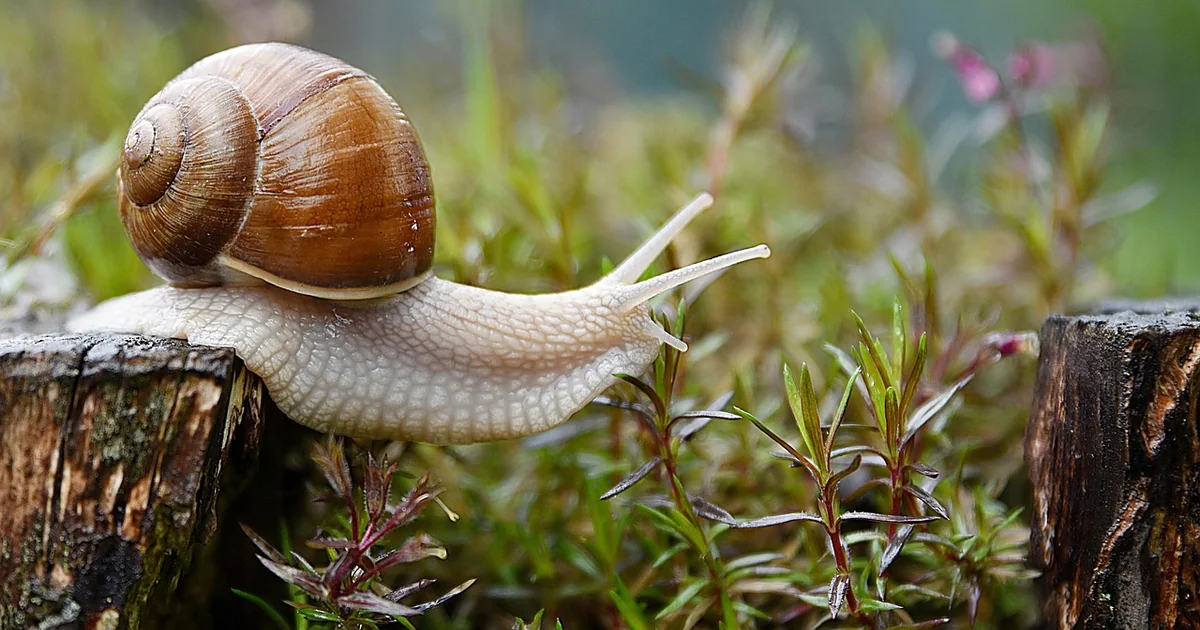
If you’ve ever stepped outside after a rain shower to find your hostas looking like lace and your lettuce seedlings nibbled down to stubs, you know the frustration slugs and snails can bring. These persistent garden pests are among the trickiest to manage, and they seem to have an uncanny talent for finding your most prized plants. While chemical solutions exist, many gardeners prefer a gentler approach. The good news is that certain plants can act as natural allies, either by repelling these slimy visitors or by distracting them with tastier options. This is where slug repellent plants come into play, offering an effective form of natural pest control. By incorporating a few strategic varieties into your garden beds, you can practice organic slug management through thoughtful companion planting, protecting your greenery without harsh chemicals.
Garlic: A Pungent Deterrent for Slugs
If you’re looking for a practical way to protect your garden without harsh chemicals, garlic (Allium sativum) is a wonderful ally. This kitchen staple does more than flavor your favorite dishes—it also acts as a natural slug deterrent herb. Studies have shown that extracts from garlic, along with herbs like tarragon and thyme, can prevent or slow slug feeding when sprayed on vulnerable plants. That means you can keep your greens safe while adding a useful crop to your garden.
Planting garlic around garden borders creates a living barrier that slugs tend to avoid. The strong scent confuses their senses and makes your flowerbeds less inviting. For an extra layer of protection, try a simple homemade garlic spray. Crush several cloves, steep them in water overnight, then strain the liquid into a spray bottle. Apply it directly to the leaves of plants that slugs love, such as hostas or lettuce. Reapply after rain for consistent results. This budget-friendly method is gentle on your garden and fits right into a family-friendly approach to pest control. By including garlic among your slug repellent plants, you’re making a smart, low-maintenance choice that supports a healthier outdoor space.
Thyme: A Fragrant Herb That Slugs Avoid
If you like the idea of using fragrant herbs to protect your garden, thyme is a wonderful addition to your lineup of slug repellent plants. Its strong, earthy scent is very off-putting to slugs, making it a natural barrier when planted near more vulnerable crops. In fact, studies have shown that thyme extracts sprayed directly on plants can prevent or slow slug feeding, just like garlic and rosemary. This means you can easily turn a few sprigs from your garden into a simple, homemade spray. Thyme is also remarkably low-maintenance. It thrives in poor soil, needs little water once established, and stays compact, making it an ideal choice for borders, containers, or spots where other plants struggle.
One of the handiest ways to use thyme is as a living mulch. Choose creeping thyme (a variety of Thymus vulgaris) and let it spread between your vegetables or flowers. This low-growing carpet not only adds a lovely aroma when you brush against it but also creates a protective ground cover that slugs find difficult to cross. Because it’s drought-tolerant, you won’t have to worry about watering it constantly. By planting thyme near your lettuces, hostas, or other slug favorites, you’re adding a practical, beautiful layer of defense that works hard without extra effort on your part.
Peppermint: A Minty Shield Against Slugs
While thyme relies on a low carpet of foliage, peppermint takes a different approach. Its strong, refreshing scent is something you might enjoy, but slugs find it deeply unpleasant. That makes this herb one of the most effective slug repellent plants you can add to your garden. The key is the high concentration of essential oils in Mentha × piperita, which interferes with a slug’s ability to sense food. In studies, extracts from peppermint — along with garlic, tarragon, thyme, and rosemary — have been shown to prevent or slow slug feeding when sprayed on vulnerable plants. You can easily make your own peppermint spray by steeping fresh leaves in water or diluting a few drops of pure peppermint oil. Just remember to reapply the spray after rain, as it washes off quickly. For a more permanent solution, plant peppermint near slug-prone areas. Because it spreads aggressively, always grow it in containers or a sunken pot to keep it contained. This way, you get the benefits of mint companion planting without the invasive takeover.
Marigolds: A Bright Decoy for Slugs
Now that you have mint contained and working for you, it is time to add a splash of color that also works hard behind the scenes. Marigolds do not actually repel slugs, but they perform a clever trick that is just as valuable. Instead of driving pests away, they act as a trap crop, drawing slugs and snails toward their tender leaves and away from your vegetables. Think of them as a generous decoy that sacrifices itself for the greater good of your garden. This strategy, often called sacrificial planting, can save your lettuces and greens from serious damage. For this to work, plant marigolds around the perimeter of your garden or directly next to vulnerable crops like beans and cucumbers. The slugs will gravitate to the marigolds first, giving your other plants a fighting chance. You will need to check your marigolds regularly and remove any slugs you find, especially after rain or damp evenings. This simple habit keeps the decoy working effectively without allowing the pest population to explode. The popular Tagetes variety is especially attractive to slugs, making it an ideal choice for this role. So, while marigolds brighten up the garden with their cheerful orange and yellow blooms, they are quietly doing the dirty work of keeping slugs busy and away from the plants you actually want to harvest.
Pansies: Compact Trap Crops for Slugs
If you love the idea of using flowers as slug repellent plants, pansies are a smart and cheerful choice. These compact blooms, known botanically as Viola × wittrockiana, work as a tasty decoy for slugs, luring them away from your vegetables and ornamentals. Their long bloom time means they keep up the good work from spring through fall, offering months of protection. Because pansies are low-growing, they fit neatly into gaps between crops or in containers near problem areas. This makes them a practical, low-maintenance addition to any garden layout.
Strategic Placement of Pansies
To get the most from your pansy decoys, think about where slugs are likely to travel. Tuck them into bare spots in raised beds, around the edges of your lettuce patch, or in pots near hostas. Slugs will find the pansies first and feast there instead of on your prized plants. Check the leaves regularly and remove any slugs you spot—this keeps the trap working and protects the pansies themselves.
Maintaining Pansies as Effective Decoys
Pansies are budget-friendly and easy to replace, but a little care goes a long way. Water them in the morning so the foliage dries by evening, as damp conditions attract more slugs. Deadhead spent blooms to encourage fresh flowers, and replant if the decoys become too tattered. With this simple routine, your pansies will remain a reliable part of your slug repellent plants lineup all season long.
Calendula: An Edible Decoy for Slugs
Another clever way to protect your garden is by using a sacrificial plant that slugs simply can’t resist. Calendula, also known as pot marigold or Calendula officinalis, fits this role perfectly. Its fleshy leaves, stems, and flowers are packed with moisture, making them an irresistible treat for slugs and snails. By planting calendula around your more vulnerable crops, you create a living buffer that lures pests away from your vegetables and prized flowers. Because calendula is so appealing, it acts as a natural sacrificial plant for slugs, keeping the damage concentrated where you can manage it. An added bonus: calendula flowers are edible, adding a peppery pop to salads or garnishes. Just be sure to avoid eating any blooms that have been treated with pesticides or slug pellets.
On a similar note, Gardening 101: 5 Tips for Central Texas Beginners explores this topic with concrete examples.
Growing Calendula Around Vegetables is straightforward. Scatter seeds in sunny spots with well-drained soil, and water lightly until they sprout. Calendula self-seeds readily, so once established, it will return year after year, providing continuous protection. How to Monitor and Remove Slugs from Calendula is simple: check the plants in the evening or early morning, when slugs are most active. Handpick any you find and drop them into a bucket of soapy water. This low-maintenance routine keeps your calendula healthy and ensures it remains a reliable part of your slug repellent plants lineup throughout the growing season.
Dianthus: A Perennial Trap Crop for Slugs
Moving from the annual charm of calendula, you can turn to a hardy perennial that keeps working year after year. Dianthus—commonly known as carnations or pinks—are much more than pretty border flowers. These plants act as a trap crop, meaning slugs and snails find them irresistible and will flock to them instead of your vegetables or precious ornamentals. By planting dianthus around the edges of raised beds or among your favorite perennials, you create a sacrificial buffer that draws pests away. Since many dianthus varieties are perennials, they provide long-term perennial slug control with minimal effort. They bloom in cheerful shades of pink, red, and white, so your garden stays colorful while you manage the slug population naturally.
Best Dianthus Varieties for Slug Management
Look for hardy types like Dianthus caryophyllus (the classic carnation) or compact pinks. These low-growing, clumping plants form dense mats that shelter slugs during the day, making it easy for you to spot and remove them. Choose varieties with a strong fragrance—many gardeners report that scentier dianthus are especially attractive to slugs, which works in your favor as a trap crop.
Combining Dianthus with Other Strategies
Plant dianthus near vulnerable crops such as lettuce or hostas. Check the foliage regularly, especially after rain, and handpick any slugs you find. Pairing this trap crop with barriers like copper tape or crushed eggshells makes your slug repellent plants lineup even more effective. Because dianthus are perennials, they come back each spring with little fuss—just cut them back after flowering to keep plants tidy and encourage new growth. Over time, a well-placed clump of dianthus becomes a reliable, low-maintenance ally in your fight against slimy visitors.
Frequently Asked Questions
How do I use garlic, thyme, or peppermint to repel slugs—should I plant them or make a spray?
Both planting and spraying work well. You can plant these herbs near vulnerable areas, or make a simple spray by steeping leaves in water. Spraying provides more immediate protection, while planting offers long-term, low-maintenance slug repellent plants.
Do marigolds actually repel slugs or just distract them from other plants?
Marigolds are more of a distraction than a true repellent. Their strong scent can mask the smell of other plants, confusing slugs. They are best used as a companion plant around your garden favorites.
Will these slug-repellent plants harm beneficial insects like bees or earthworms?
Generally, these plants are safe for beneficial insects if used correctly. Avoid spraying directly on open flowers or during peak bee activity. Planting them in the ground is a safe, non-toxic way to use slug repellent plants without harming pollinators.