There’s a difference between growing food because you enjoy it and growing food because you need it. A hobby garden can be experimental, but something as intentional as a subsistence garden needs a little more planning. When the goal is producing a meaningful amount of the food your household eats, what you plant and how much of it you grow need to be decided well in advance. There is some math involved if you really want to grow enough to feed yourself without a grocery store, but rather than the boring math you may be eye-rolling at, I see it as a fun challenge. The question isn’t only what do I want to grow (although that is a good starting point). It’s also what will produce the most food I can eat, store, and rely on, in the space I have. These are the subsistence garden crops that answer that question, roughly in order of priority. Let’s dive into the seven most impactful choices for creating a truly self-sufficient food system.
- Potatoes: The Foundation of Your Subsistence Garden
- Winter Squash: Calorie-Dense Storage Gold
- Beans: Protein Power in a Small Space
- Tomatoes: Versatility and Preservation Potential
- Cabbage: Longevity and Nutritional Value
- Waltham Butternut Squash: A Superior Storage Choice
- San Marzano Roma Pole Tomatoes: Flavor and Efficiency Combined
Potatoes: The Foundation of Your Subsistence Garden
Let’s start with the obvious, and arguably the most crucial, crop for a subsistence garden: potatoes. It’s no accident that potatoes are often cited as the cornerstone of self-sufficiency. They’re remarkably efficient – producing more calories per square foot than virtually any other vegetable you could grow. Consider this: a single acre of potatoes can yield over 800,000 calories, a statistic that underscores their potential for feeding a family (or even a small community) without relying on external sources. This is why the phrase “potatoes are the answer” gets repeated so often in the context of building a resilient food system. The sheer volume they produce, combined with their exceptional storage capabilities, makes them an unparalleled investment for a subsistence gardener. Furthermore, potatoes are relatively easy to grow, tolerating a range of soil conditions – though well-drained soil is always preferable. They thrive in cooler temperatures, making them a reliable crop even in regions with shorter growing seasons. Interestingly, research at Oregon State University suggests that potato yields can actually increase with slightly cooler temperatures, up to a certain point. This is a detail often overlooked, but it highlights the potential for optimizing potato production even in challenging climates. Fact: Potatoes produce more calories per square foot than almost anything else.
Getting started with potatoes is straightforward. You’ll need seed potatoes – small pieces of potatoes with “eyes” (the little buds where new shoots will emerge). These can be sourced from a local nursery or even saved from potatoes you’ve cooked. Planting should begin as soon as the soil is workable in the spring. The method is simple: dig a trench about 6-8 inches deep and space the seed potatoes about 12 inches apart. Cover them with soil and water thoroughly. As the plants grow, you’ll need to “hill” the soil around the stems, adding extra soil to encourage more potato formation. This process, repeated several times throughout the growing season, significantly increases the yield. Don’t be afraid to mulch the area around your potato plants – straw or wood chips work well – to help retain moisture and suppress weeds. A key challenge for many home gardeners is preventing potato scab, a fungal disease that can affect the tubers. Proper soil drainage and crop rotation (avoid planting potatoes in the same spot year after year) can help mitigate this risk. Mini-Payoff: Potatoes store for months without canning or freezing.
Winter Squash: Calorie-Dense Storage Gold
While potatoes are often the first crop that comes to mind when planning a subsistence garden, winter squash deserves equal consideration. This isn’t just because of their impressive yields – a single butternut plant can produce eight to ten pounds of fruit – but also because of their incredible storage potential. Unlike many other vegetables, winter squash can be stored for months without any special preservation techniques. A cool, dry, and dark location is all that’s needed to keep them fresh for extended periods. This is a game-changer for a subsistence gardener, providing a reliable source of calories throughout the winter months. The vines do take up space, expect each plant to spread six to eight feet in every direction (which can be a challenge in a small garden). Training vines along a fence or letting them run into an adjacent mowed area helps. Butternut and Hubbard types are the best for long-term storage. Acorn squash stores for a shorter period but matures faster, which is useful in shorter-season climates.
Planting winter squash after the last frost is crucial. They absolutely hate cold temperatures and seeds sown in soil below 60°F (16°C) tend to rot before they germinate. Consistent watering is also important, especially during fruit development. Monitor for squash vine borers, a common pest that can damage the vines. Small holes drilled into the stems can help prevent these pests from laying their eggs. Harvesting is typically done in the fall, once the squash are fully mature – the stems will begin to dry and turn brown. Curing the squash – allowing them to dry in a warm, dry place for a week or two – further improves their storage quality. Mini Hook: A hobby garden can be experimental, but something as intentional as a subsistence garden needs a little more planning.
Beans: Protein Power in a Small Space
Adding legumes to your subsistence garden is a smart move, particularly if you’re looking to maximize your yield in a limited space. Beans are incredibly efficient at converting sunlight into protein, packing a significant nutritional punch compared to many other vegetables. Fact: Beans are the most efficient source of plant-based protein. A pound of dried beans contains a substantial amount of protein, and they store in jars on the shelf for years without any special equipment. This makes them a vital component of a self-sufficient diet, providing a readily available source of essential amino acids. There are two main types of beans to consider: bush varieties, which produce a concentrated harvest in a shorter window, and pole varieties, which require a trellis or support structure but offer a longer harvest period. Choose the variety that best suits your space and growing conditions.
Growing beans is relatively easy. They prefer well-drained soil and plenty of sunlight. Consistent watering is important, especially during flowering and pod development. To maximize your bean harvest, plant more than you think you’ll need. Beans are light, and it takes a lot of them to make up a meaningful portion of your diet. Allowing the pods to dry on the vine before harvesting is crucial for long-term storage. Shell the beans and store them in airtight containers in a cool, dark place. Experiment with different varieties to find your favorites – pinto, black, kidney, and navy beans are all excellent choices.Mini-Payoff: Beans store in jars for years without special equipment.
Tomatoes: Versatility and Preservation Potential
You may also enjoy reading: 13 Essential Tips to Grow a Thriving Monstera Houseplant: A Complete Care Guide.
While tomatoes aren’t as calorie-dense as potatoes or squash, their versatility and preservation potential make them a valuable addition to a subsistence garden. Canned whole tomatoes, sauce, paste, salsa, and dried tomatoes form the base of countless meals, providing a consistent supply of fresh flavor throughout the year. A dozen plants can produce over a hdepth: The specific varieties of tomatoes that thrive in a subsistence garden can vary significantly based on local climate and growing conditions, and experimentation is often key to discovering the best performers.
Cabbage: Longevity and Nutritional Value
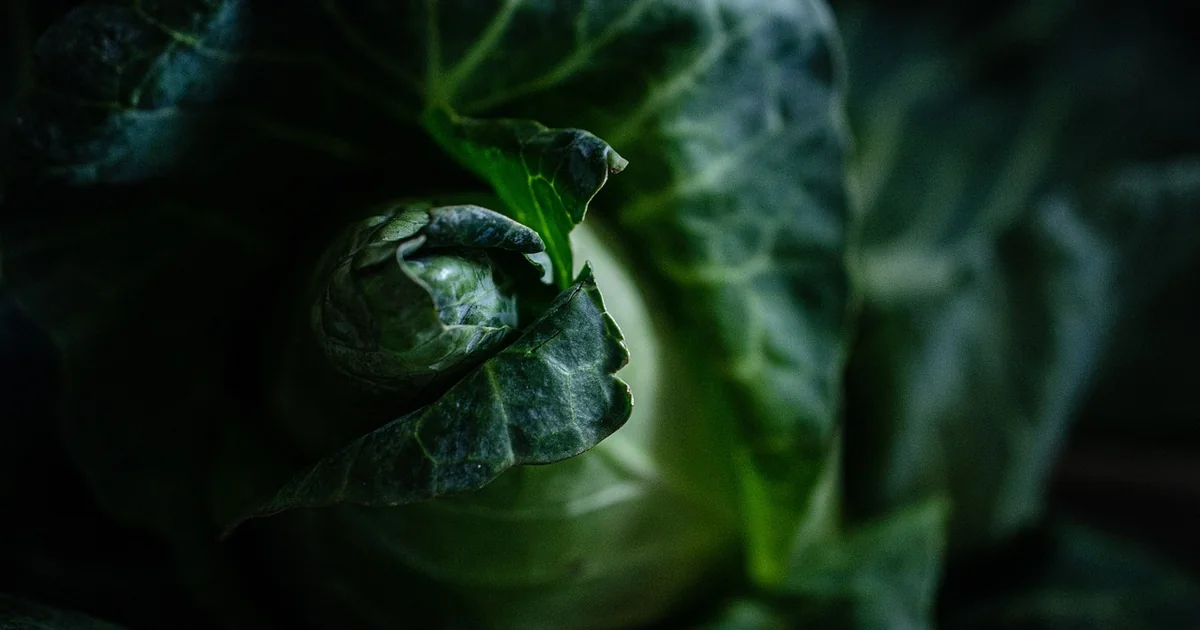
Cabbage is an often-overlooked vegetable that deserves a place in your subsistence garden. It boasts impressive longevity, lasting significantly longer than lettuce or other leafy greens. This is a huge advantage for a self-sufficient gardener, providing a reliable source of vitamins and minerals throughout the winter months. Furthermore, cabbage is a nutritional powerhouse, packed with vitamins C and K, as well as fiber and antioxidants. It’s also relatively easy to grow, tolerating a range of soil conditions. Math is involved: The amount of cabbage you need to grow depends on your household’s consumption habits, but even a small patch can provide a significant contribution to your diet.
Waltham Butternut Winter Squash: A Superior Storage Choice
When it comes to winter squash, the Waltham Butternut variety consistently outperforms others in terms of storage potential and overall yield. It’s known for its dense flesh, sweet flavor, and ability to withstand long periods of storage without significant deterioration. The seeds are also relatively easy to remove, making it a good choice for beginner gardeners. Fact: Waltham Butternut winter squash can be stored for up to 6-8 months under optimal conditions.
San Marzano Roma Pole Tomato: Flavor and Efficiency Combined
The San Marzano Roma pole tomato is a fantastic choice for a subsistence garden due to its exceptional flavor and productivity. These tomatoes are prized for their meaty flesh, low acidity, and rich, sweet taste – making them ideal for sauces, pastes, and canning. Pole varieties offer a longer harvest period compared to bush varieties, allowing you to extend your tomato supply throughout the season. Transition: Moving from hobby gardens to subsistence gardens requires planning.
Moving from a hobby garden to a subsistence garden requires a shift in mindset. It’s no longer about experimenting with different varieties and focusing on aesthetics; it’s about prioritizing crops that provide the most calories and nutrients for your household. Conclusion: Building a subsistence garden is a rewarding endeavor, providing a tangible connection to your food source and promoting self-reliance. By focusing on these seven key crops, you can create a resilient food system that will sustain your family throughout the year.