Happy Monday, GPODers! We have been traveling extensively across gardens lately, and today we shift our focus to showcase stunning blossoms from a devoted grower in a region with a distinctive climate.
Discovering Blooms From Islamabad
Garden enthusiasts often seek inspiration from varied climates, and today we highlight the work of azam in Pakistan. This collection demonstrates how flowers can transform a modest urban space into a vibrant sanctuary. The selection includes varieties that flourish under conditions unfamiliar to many northern gardeners.
Located in a humid subtropical zone, Islamabad provides an extended growing season that allows certain specimens to thrive when they are just beginning to wake up elsewhere. This advantage means that the palette of color arrives weeks earlier than what is typical in North American gardens. Observing these arrangements helps us understand resilience in horticulture.
The Signature Petunia Variety
Among the most striking contributions is the Dreams™ Burgundy Picotee petunia, a cultivar identified by its deep veining and bright white edging. This specific azam, flowers, pakistan combination creates a dramatic contrast that draws the eye naturally to the center of the display. The genetic expression of the picotee pattern results in a visually complex bloom that stands out in any setting.
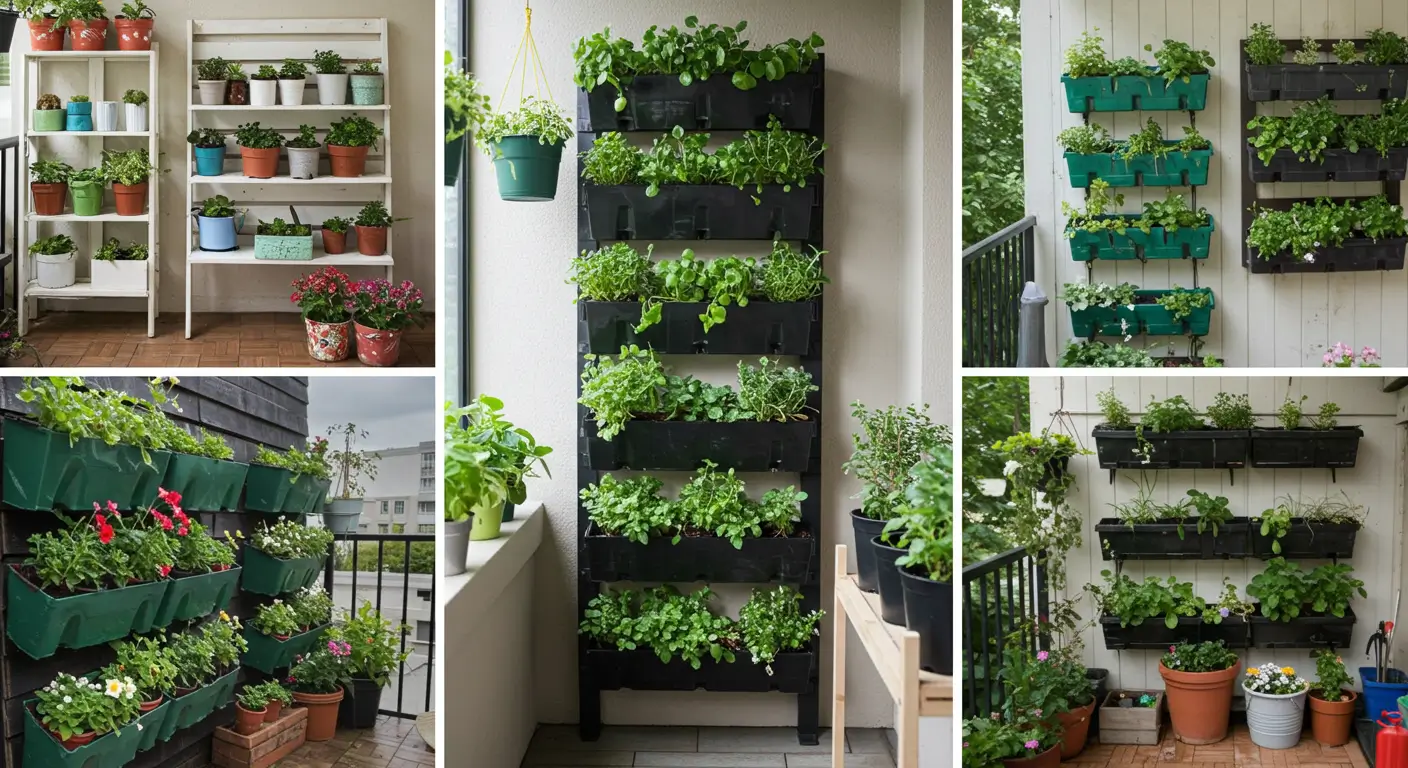
Such a specimen requires careful placement to maximize its impact. By utilizing a vertical support system, the grower ensures that the growth does not sprawl horizontally. This method conserves space and allows the intricate details of the petal texture to be appreciated up close. The result is a dense concentration of color that would be difficult to achieve in a traditional flat layout.
Vertical Gardening Techniques
The implementation of a structured support, often referred to as a ‘love arch,’ is a practical solution for maximizing space in narrow foundation beds. This structure redirects energy upward rather than outward, which is ideal for properties with limited square footage. It also creates a living curtain that can serve as a backdrop for seating areas.
Training vines and climbing specimens along this framework requires a basic understanding of plant adhesion. Gentle tying with soft materials ensures that the stems develop strong attachments without causing damage. Regular assessment of the growth direction prevents tangling and maintains an aesthetic silhouette. This practice is essential for maintaining the integrity of the design over multiple seasons.
Rose Cultivation in Humid Conditions
While roses typically dislike too much humidity, azam has identified specific cultivars that not only survive but thrive in the warm conditions of Islamabad. The Maurice Utrillo rose is a prime example, offering a complex tricolor of red, white, and yellow stripes. This variety brings a sense of movement to the garden, as each bloom appears slightly different from the last.
Another variety described as “pretty in white” complements the bolder colors without competing for attention. Its clean appearance provides a resting point for the viewer’s eye, creating balance within the overall arrangement. Selecting disease-resistant types is crucial in this climate to reduce maintenance efforts and ensure longevity.
Understanding the air circulation requirements of these specimens is vital. Spacing must accommodate the mature width of the shrub to prevent moisture from becoming trapped in the center. Pruning back spent blooms encourages further production and prevents the plant from directing energy to seed formation. These steps result in a healthier and more floriferous specimen.
Climate Advantages and Challenges
The primary challenge for gardeners in cooler regions is the limited window for intense color. They often wait for months until the soil warms sufficiently to support robust growth. In Islamabad, the ambient temperature allows for an earlier start, which translates to a longer display period for annuals and perennials.
However, high humidity can encourage the development of fungal issues if not managed correctly. Selecting resistant genotypes and avoiding overhead watering are two proactive strategies to mitigate this risk. Ensuring that plants have enough room to breathe is a simple yet effective preventative measure. Observing these protocols means the difference between a fleeting bloom and a sustained show.
Engaging With the Gardening Community
We invite you to participate in this visual journey by sharing your own horticultural achievements. If you have spring plants and garden scenes you are enjoying right now, please consider contributing to the collection. Your experiences provide valuable insight into how different environments affect the growth of beloved specimens.
To submit your photos, please follow the directions provided through the Garden Photo of the Day Submission Form. You may also send 5 to 10 images along with details regarding the plants and location. Sharing your location and gardening history helps build a richer narrative for our audience.
Curating Color for the Sake of Appreciation
The color palette featured here is much-needed for those of us in regions still waiting for flowers to fully emerge. The bold pigments and intricate patterns serve as a reminder of the beauty possible with the right species selection. This content acts as a bridge connecting gardeners across different climatic zones.
By showcasing azam, flowers, pakistan so vividly, we hope to inspire new approaches to container gardening and landscape design. The resilience of these specimens offers a lesson in adaptability. We encourage you to observe these techniques and consider how they might be adapted to your local environment.
Final Reflections on Growth
Witnessing the success of these arrangements encourages us to look beyond conventional boundaries. The use of vertical space, the selection of tough varieties, and the appreciation of unique genetic traits like the picotee pattern are lessons applicable to any gardener. These insights help demystify the process of creating lush displays.
Thank you once again to azam for sharing these beautiful blooms with us. The contribution highlights the diversity of gardening practices worldwide. We look forward to seeing more submissions and celebrating the ongoing success of gardens in every climate.