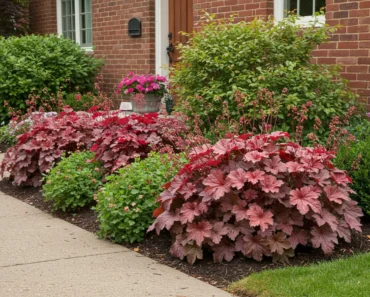
When you notice tiny specks on tender leaves or mysterious holes in otherwise healthy growth, the question arises: does the azalea need pest control?
Why Early Detection Is Crucial for Your Azalea
Spring is the best time to start azalea pest control because the plant is still bare, making invaders easier to spot. Vigilance and early detection are vital parts of azalea care, helping you remove the problem before any leaves or flowers can get hurt. Many common invaders prefer the tender new growth that appears as temperatures rise, so acting now can save you a season of struggle.
Understanding the life cycles of these intruders is essential for effective control. Azaleas are susceptible to sucking insects and larvae, and some insects are so closely associated with the Rhododendron genus that they carry its name in common usage. By recognizing the specific timing of each pest, you can apply treatments when they are most vulnerable, reducing the need for repeated interventions and protecting the overall vitality of your shrubs.
Lifecycle Awareness for Common Invaders
Each pest follows a distinct schedule that dictates when it is easiest to manage. For example, azalea bark scale produces one new generation every year, with nymphs overwintering on the plant. This means that late winter or early spring applications can target these young stages before they mature and begin feeding. Missing this narrow window often leads to heavier infestations later in the season.
Similarly, azalea caterpillars emerge and begin feeding on foliage during the warmer months, with the majority of damage occurring summer through fall. If you notice chewed leaves, hand pick the pests off the plant promptly. Combining manual removal with biological options like Bacillus thuringiensis can provide robust protection without harsh chemicals.
Rhododendron borer larvae add another layer of complexity, as they burrow into woody stems where they overwinter. This behavior not only damages the structure but also creates entry points for disease. Recognizing the signs, such as frass or cracked stems, allows you to intervene before the population establishes itself deeply within the plant.
Let’s Take a Look at the Most Common Azalea Pests
To manage your azalea, pest, control, identify, treat sequence effectively, you should familiarize yourself with the usual suspects. These organisms vary in appearance, behavior, and preferred damage sites, so accurate identification is the first step toward successful management. Below are some of the most frequently encountered pests that test the resilience of even well-cared-for shrubs.
Scale Insects and Their Impact
Azalea bark scale is among the most common varieties that will attack azaleas, with females latching onto stems and covering themselves in a waxy, cream colored egg sac. The offspring feed on the sap in crotches and forks of the plant, disrupting the flow of nutrients and water. Their sucking behavior can damage the overall health of the plant, resulting in leaf die back and discoloration that may resemble other stress factors.
These insects also excrete honeydew, which makes leaves and stems shiny and sticky. This sugary residue can lead to the appearance of black sooty mold, further reducing the plant’s ability to photosynthesize. Recognizing this combination of sticky secretions and discolored foliage is key to confirming the presence of scale and initiating appropriate azalea, pest, control measures.
Caterpillars and Leaf Damage
Among the most recognizable pests is the azalea caterpillar, sometimes called the red headed azalea caterpillar due to its flame colored head. These larvae can reach over two inches in length, with a black body dotted with yellow spots. They feed voraciously on foliage, and large populations can decimate the plant’s leaf canopy, especially during the late summer and early fall.
If you notice chewed leaves or clusters of larvae, hand pick the pests off the plant whenever possible. For larger infestations, applying Bacillus thuringiensis offers a targeted approach that affects caterpillars while minimizing harm to beneficial insects. This method is particularly useful because it breaks the feeding cycle before the caterpillars can mature and reproduce.
Borers and Structural Damage
The rhododendron borer is an especially concerning pest because its larvae tunnel into woody stems. These caterpillars are small with white bodies and dark heads, and they overwinter inside the plant. Their burrowing leaves behind frass, and the stems may even crack under the pressure of expanding larvae.
Because chemical controls are generally ineffective once the larvae are inside the stem, manual removal becomes critical. You should cut away wilted and dying branches well into healthy tissue to eliminate hidden invaders. Introducing beneficial nematodes at the appropriate season can also help reduce future populations by targeting vulnerable stages in the soil.
Lace Bugs and Stippled Leaves
Azalea lace bugs are an introduced pest from Japan, and they can be identified by their fine, lacy wings and brown and black markings. Both adults and nymphs suck sap from under the leaves, causing stippling that gradually turns the foliage white. In heavy infestations, defoliation can severely harm plant health and reduce flowering the following season.
Treatment for adults is often not effective, so focusing on nymphs in late spring yields better results. Horticultural oil can provide some control, but it must thoroughly cover the undersides of the leaves where the insects hide. Consistent monitoring during the growing season helps you catch these pests before they cause widespread damage.
Leafminers and Hidden Trails
Leafminer larvae are frequent azalea insect pests that live inside leaves, creating visible trails as they feed. These tunnels disrupt the plant’s photosynthetic processes, leading to yellowing and curling that can weaken the shrub over time. Because the larvae are protected within the leaf tissue, they are harder to reach with surface treatments.
Systemic approaches, such as specific insecticides labeled for leafminer control, may be necessary when infestations are severe. However, cultural practices like removing heavily infested leaves and maintaining plant vigor can reduce the likelihood of serious outbreaks. Combining these methods offers a balanced strategy for long-term management.
How to Treat Common Problems Effectively
Once you have identified the specific azalea, pest, control, identify, treat challenge, selecting the right treatment method becomes more straightforward. Timing is critical, as many interventions work best when applied during the insect’s most vulnerable stage. Dormant oil, for instance, is most effective when applied in late to early spring to target nymphs before they emerge.
Neem oil serves as a versatile option for later season applications, affecting young insects that are still developing. When dealing with borers, you must focus on removing affected branches and ensuring that debris is cleared from around the base of the plant. This reduces hiding places and limits the chances of reinfestation.
For lace bugs and other sap-sucking insects, horticultural oil or insecticidal soap can be applied with careful attention to coverage. Repeated applications may be necessary, but always follow label instructions to protect pollinators and other beneficial organisms. Consistent observation allows you to adjust your approach as the season progresses.
Manual Removal and Physical Barriers
Hand picking pests remains one of the most direct forms of azalea, pest, control, identify, treat action. By regularly inspecting your shrubs, you can catch infestations early and prevent them from escalating. This method is especially useful for larger insects such as caterpillars and adult beetles.
In some cases, installing fine mesh barriers around young plants can prevent certain pests from reaching the foliage. While not a standalone solution, barriers complement other strategies by reducing the initial pressure on vulnerable growth. Combining physical removal with preventive measures creates a more resilient defense system.
Biological Controls and Beneficial Organisms
Introducing beneficial nematodes is a highly effective way to manage soil dwelling stages of many pests. These microscopic organisms seek out larvae and other vulnerable forms, disrupting their life cycle without harming plants. When applied according to package directions, they provide a sustainable option for long-term control.
Encouraging natural predators such as lady beetles and lacewings can also help keep populations in check. These allies feed on aphids and other soft bodied insects that often accompany the primary invaders. Creating a garden environment that supports biodiversity enhances your overall pest management strategy.
Seasonal Strategies and Preventive Measures
In the fall, it is wise to remove fallen leaves and prune damaged branches to reduce overwintering sites. Many pests survive the colder months in plant debris, so cleaning the area around your shrubs is an important preventive step. This practice also improves air circulation, which benefits the overall health of the plant.
Mulching around the base of the azalea helps regulate soil moisture and temperature, creating conditions that are less favorable for certain soil borne pests. However, you should keep the mulch a few inches away from the stems to prevent rot. Careful attention to these details supports vigorous growth and reduces the need for aggressive treatments.
Regular monitoring throughout the growing season allows you to detect new issues before they become severe. By keeping a record of when problems first appear, you can refine your azalea, pest, control, identify, treat approach each year. This continuous improvement cycle leads to healthier shrubs and more beautiful blooms.
Creating a Balanced Garden Ecosystem
A thriving garden depends on balance, where beneficial organisms coexist with your cultivated plants. Encouraging a diverse insect population can naturally suppress pest numbers and reduce the need for frequent interventions. This approach aligns with the broader goal of maintaining plant health without relying solely on chemicals.
Planting a variety of flowering species nearby can attract pollinators and predatory insects that support your azaleas. Diversity in the landscape makes it harder for specialized pests to dominate, as their preferred hosts are surrounded by other plants. Over time, this complexity contributes to a more stable and resilient garden environment.
As you refine your techniques, remember that patience and observation are your strongest tools. Each season offers new lessons about the interactions between your plants and the surrounding ecosystem. With consistent care and informed adjustments, you can enjoy lush, vibrant azaleas that remain protected from common threats.