Creating a Mid-Century Modern Landscape: 7 Plants That Capture the Aesthetic
It’s a delicate balance – you want a landscape that complements the clean lines, strong horizontals, and expansive windows of the architecture, not compete with them. The key lies in selecting plants that echo this aesthetic: prioritizing form over flamboyant blooms, embracing a restrained palette, and opting for species with enduring structure and a low-maintenance attitude. This isn’t about creating a riot of color; it’s about crafting a space that whispers of the 1950s and 60s – a haven of understated elegance and geometric harmony.
The Principles of Mid-Century Modern Landscaping
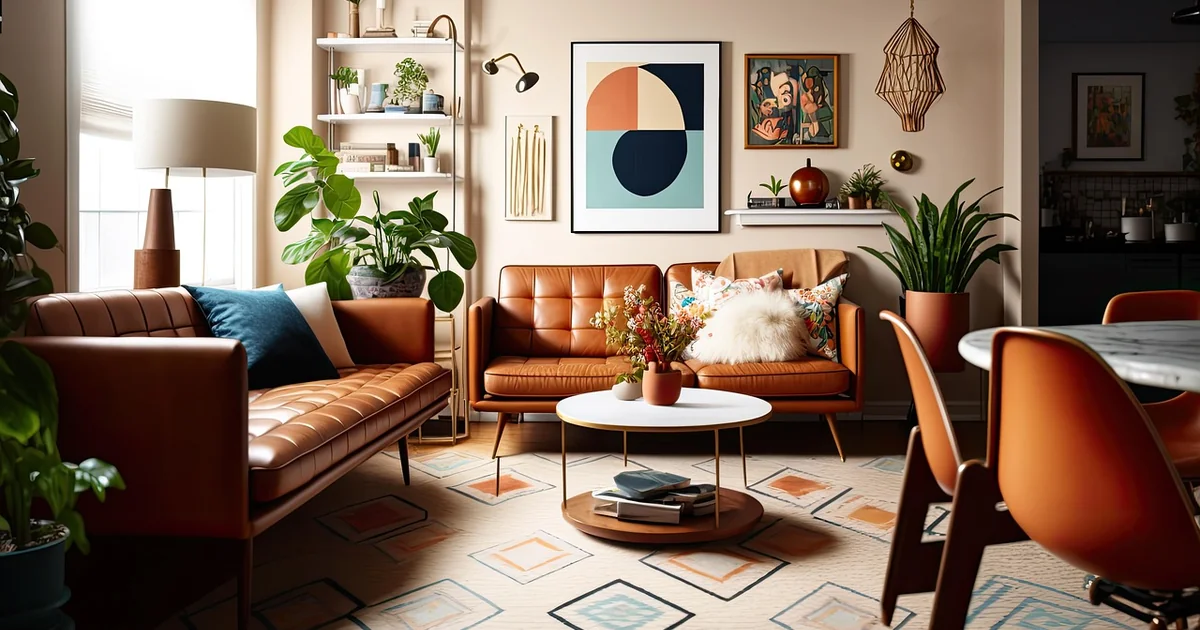
Before we dive into specific plants, let’s establish the core principles that underpin a successful mid-century modern landscape. It’s a design philosophy rooted in simplicity, functionality, and a deliberate rejection of excess. Think clean lines, horizontal emphasis (often achieved through patios, pathways, and retaining walls), and a carefully curated selection of plants that contribute to this overall vision. Unlike the overflowing, romantic gardens of previous eras, MCM landscaping is about deliberate restraint. It’s about creating a sense of spaciousness and airiness, allowing the architecture to truly shine. A crucial element is the use of bold, geometric planting beds – often defined by sharp edges and precise shapes – to visually ground the design. Furthermore, plants are chosen for their silhouette and form, rather than just their flowers. A plant’s shape is what matters most, contributing to the overall graphic impact of the landscape. Consider also the prevailing winds – selecting plants that can withstand them adds to the landscape’s durability and resilience. Finally, embracing drought-tolerant species, particularly in warmer climates, aligns perfectly with the MCM ethos of practicality and efficiency. It’s a landscape designed to be beautiful, yes, but also to be easy to care for and require minimal intervention – a perfect reflection of the era’s spirit of optimistic functionality.
1. Japanese Maple (Acer palmatum) – The Architect of the Garden
The Japanese maple is arguably the quintessential mid-century modern plant. Its layered branching structure, often described as ‘architectural,’ mimics the clean lines and geometric forms so prevalent in MCM design. Unlike many trees that explode with seasonal color, the Japanese maple offers a quiet, understated beauty that persists throughout the year. While the vibrant autumn foliage – ranging from deep burgundy to fiery orange – is undeniably spectacular, the tree’s form is captivating even in winter, when its bare branches create a striking silhouette against the winter sky. The variety is also crucial; upright and weeping forms both work beautifully, depending on the context of your landscape. A smaller landscape might benefit from a more compact ‘Crimson Queen’ or ‘Bloodgood’ cultivar, while a larger property could accommodate a more sprawling ‘Sango Kaku’ (coral bark maple). Importantly, Japanese maples are surprisingly adaptable, thriving in partial shade – a key consideration when designing a landscape around a mid-century modern home, particularly on the north or east side where full sun can be challenging. Consistent moisture during the establishment phase, followed by a generous layer of mulch, will ensure a healthy and vigorous tree. You can find a stunning selection of Japanese maples at Fast Growing Trees or Home Depot online. The average cost of a Japanese maple tree ranges from $75 to $300, depending on size and cultivar.
2. Feather Reed Grass (Calamagrostis × acutiflora) – Vertical Drama with Minimal Effort
If you’re searching for a perennial that embodies the MCM aesthetic – clean lines, bold presence, and low-maintenance appeal – look no further than feather reed grass. This ornamental grass is a true standout, offering a dramatic vertical accent without demanding constant attention. Its upright, arrow-straight stems create a strong graphic element, particularly when planted en masse. Unlike many grasses that flop or sprawl, feather reed grass maintains its posture year-round, providing visual interest even in the winter months. It’s remarkably tolerant of a wide range of conditions, thriving in full sun and average soil. While it prefers well-drained soil, it can withstand periods of dryness once established. Planting it along a fence line or creating a border strip is a particularly effective way to showcase its sculptural form. Cutting it back hard in late winter stimulates new growth, ensuring a fresh, sharply defined appearance each spring. ‘Karl Foerster’ is a consistently popular cultivar, prized for its exceptional habit and vibrant green foliage. You can typically find ‘Karl Foerster’ feather reed grass at Nature Hills Nursery or Home Depot online, with prices ranging from $15 to $35 per plant. The species has a hardiness zone rating of 4–9, making it suitable for a wide range of climates.
3. Agave (Agave spp.) – Geometric Boldness in the Desert Southwest
Agave plants are, quite frankly, the gold standard of mid-century modern landscaping. Their striking geometric form – the rosette of spiky leaves – instantly adds a touch of architectural drama to any space. They’re incredibly drought-tolerant, requiring minimal watering once established, and their ability to withstand full sun and fast-draining soil aligns perfectly with the MCM philosophy of practicality and efficiency. The variety of agave species is enormous, ranging from the diminutive ‘Little Devil’ to the towering ‘Queen of the Night.’ Cold-hardy varieties, such as ‘Agave parryi,’ can even thrive in USDA Zone 5, while others require warmer climates. A simple planting bed of decomposed granite, with an agave strategically placed within, is a quintessential MCM look. Don’t overwater! Agaves prefer to dry out completely between waterings, which helps to prevent root rot. A layer of cactus and succulent potting mix from Amazon – formulated for excellent drainage – is essential when planting agave. The average price of an agave plant ranges from $20 to $80, depending on size and species.
4. Muhly Grass (Muhlenbergia capillaris) – A Touch of Pink Drama
Muhly grass adds a breathtaking touch of seasonal color and textural interest to mid-century modern landscapes. While it may not be as immediately striking as the Japanese maple or agave, its ability to transform into a shimmering haze of pink-purple hues in September is truly captivating. This ornamental grass boasts slender, arching stems that create a flowing, almost ethereal effect. It’s exceptionally low-maintenance, requiring minimal watering and fertilization. Muhly grass thrives in full sun and well-drained soil, and it’s surprisingly adaptable to a variety of conditions. Planting it in drifts or masses creates a dramatic visual impact, particularly when viewed from a distance. The color transformation occurs as the seed heads mature, adding a stunning burst of pink-purple to the landscape in the late fall. ‘Grace Bell’ is a popular cultivar known for its reliable bloom and graceful form. You can typically purchase Muhly grass from local nurseries or online retailers, with prices ranging from $15 to $30 per plant. The species has a hardiness zone rating of 5–9.
You may also enjoy reading: 7 Thriving Spring Plants Dawn Must Plant in Her Arizona Garden This Season.
5. Bird of Paradise (Strelitzia reginae) – A Tropical Pop of Color
For a touch of exotic flair and a vibrant burst of color, consider the Bird of Paradise plant. This striking tropical perennial adds a sophisticated pop to a mid-century modern landscape, bringing a hint of the tropics without overwhelming the overall aesthetic. Its large, trumpet-shaped flowers, reminiscent of a bird in flight, are a true showstopper. Bird of Paradise plants thrive in full sun and well-drained soil, and they require regular watering during the growing season. However, they are relatively drought-tolerant once established. Their bold form and vibrant blooms add a dynamic element to the landscape, creating a focal point that draws the eye. The plant’s architectural form complements the clean lines of mid-century modern design, while its tropical flair adds a touch of intrigue. Bird of Paradise plants typically bloom in the spring and summer months, providing a welcome splash of color during these seasons. They can be purchased from most garden centers, with prices ranging from $20 to $45 per plant. The species has a hardiness zone rating of 9–11.
6. Lavender (Lavandula angustifolia) – Fragrance and Texture
Lavender offers a delightful combination of fragrance, texture, and visual appeal, making it a valuable addition to any mid-century modern landscape. Its silvery-green foliage and spiky purple flowers create a stunning contrast against the backdrop of the architecture. Lavender thrives in full sun and well-drained soil, and it’s remarkably drought-tolerant once established. It’s also relatively low-maintenance, requiring minimal watering and fertilization. Planting lavender in borders or along pathways adds a touch of Mediterranean charm to the landscape. The fragrance of lavender is incredibly calming and therapeutic, creating a relaxing and inviting atmosphere. Different varieties of lavender offer varying shades of purple, allowing you to choose the perfect hue to complement your design. English Lavender (Lavandula angustifolia) is the most common variety and is known for its excellent fragrance and disease resistance. You can find lavender plants at most garden centers, with prices ranging from $8 to $20 per plant. The species has a hardiness zone rating of 5–9.
7. Ornamental Grasses – Layering Texture and Movement
Beyond feather reed grass, incorporating other ornamental grasses into your mid-century modern landscape can add layers of texture, movement, and visual interest. Grasses like Blue Fescue (Festuca glauca) and Little Bluestem (Schizachyrium scoparium) offer a range of colors and forms that complement the overall aesthetic. Blue Fescue provides a striking contrast with its deep blue-gray foliage, while Little Bluestem adds a touch of warmth with its reddish-bronze tones. These grasses are relatively low-maintenance and require minimal care. They also provide valuable habitat for wildlife, adding to the ecological value of your landscape. Incorporating a variety of grasses creates a dynamic and ever-changing landscape that’s both visually appealing and environmentally friendly. The average price of ornamental grasses ranges from $10 to $30 per plant.
Creating a mid-century modern landscape is about more than just choosing the right plants; it’s about crafting a space that reflects a particular aesthetic and philosophy. By prioritizing clean lines, geometric forms, and low-maintenance species, you can create an outdoor oasis that’s both beautiful and functional – a true testament to the enduring appeal of mid-century modern design. Ready to start building your dream MCM landscape? Sign up for the Gardening Know How newsletter today and receive a free copy of our e-book “How to Grow Delicious Tomatoes.” Exploring a diverse range of wow-worthy Japanese maples from Fast Growing Trees is also a great way to start.