Transform Your Shade Garden with ‘Florida Sweetheart’ Caladiums
There’s something undeniably captivating about a burst of unexpected color in a shady corner of your garden. While many plants struggle to thrive in these conditions, caladiums offer a vibrant alternative, and the ‘Florida Sweetheart’ variety stands out as one of the most strikingly beautiful. This cultivated gem, born from the dedication of the University of Florida’s caladium breeding program, boasts heart-shaped leaves that practically glow with a translucent pink hue – a sophisticated touch that elevates any foliage garden. Let’s delve into the secrets of successfully planting, growing, and caring for these stunning tropical beauties, ensuring your shady spot becomes a focal point of vibrant color.
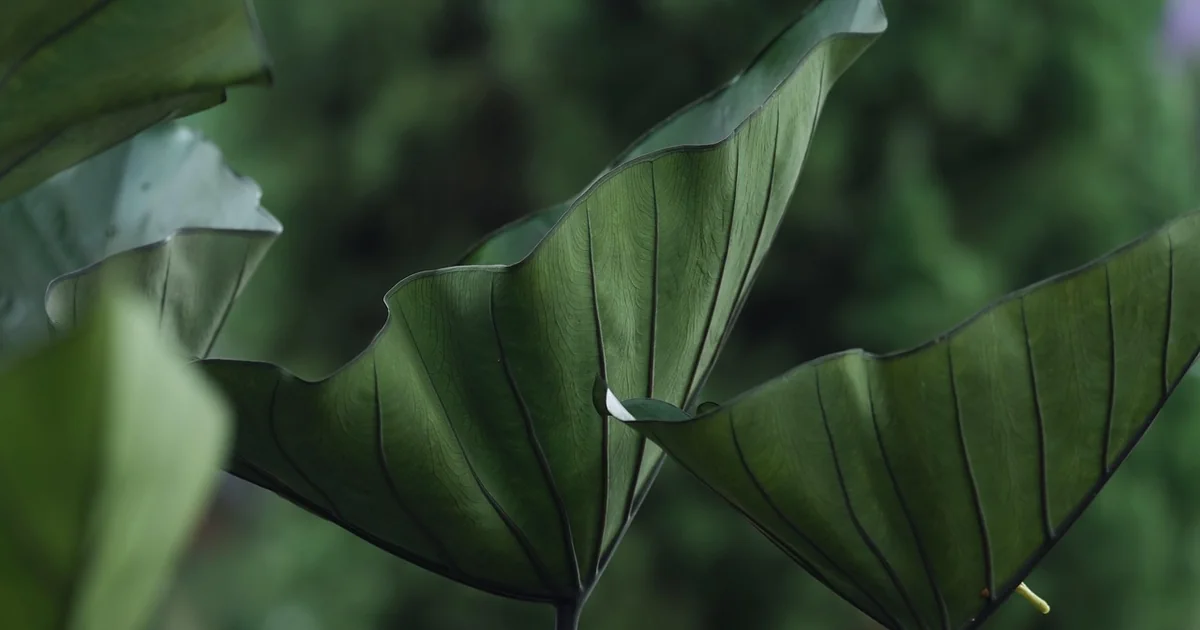
‘Florida Sweetheart’ caladiums aren’t just aesthetically pleasing; they’re surprisingly manageable plants, offering a rewarding experience for gardeners who appreciate adding a touch of tropical drama to their landscapes. While they require a specific environment to flourish, understanding their needs and following a few key practices will result in a dense, beautiful mound of foliage that’s sure to turn heads. Let’s break down the essentials.
1. Timing is Everything: When to Plant for Optimal Growth
The most crucial factor in successful caladium cultivation is timing. Spring is the season to plant ‘Florida Sweetheart’ caladiums. This is when the soil temperatures are consistently warm enough to encourage tuber growth, and the risk of frost has passed. Planting in late winter or early spring – around the time daffodils begin to emerge – gives the tubers ample time to establish a strong root system before the heat of summer arrives. However, if you live in a cooler climate (zones 8 and below), you can take a strategic approach. Starting your tubers indoors four to six weeks prior to your last expected frost provides a significant head start. This is particularly beneficial in areas with shorter growing seasons. Plant them in pots filled with a well-draining potting mix and maintain a warm environment (above 70°F) until you can safely transplant them outdoors after the danger of frost has completely passed. This proactive method allows you to enjoy a head start on the growing season, resulting in a more vigorous display of foliage.
2. Preparing the Perfect Planting Site: Light, Soil, and Space
Caladiums, including ‘Florida Sweetheart,’ are notoriously sensitive to excessive sunlight. They thrive in partial shade to full shade conditions. Think of a spot where the sun might peek through the leaves of a tree, or where you’ll receive dappled light throughout the day. Direct, intense afternoon sun will scorch the delicate leaves, causing them to turn brown and papery, a condition from which they rarely recover. The ideal location boasts morning sun and afternoon shade. Regarding soil, well-draining soil is absolutely paramount. Caladium tubers are prone to rot if their roots sit in waterlogged conditions. Amend your soil with plenty of organic matter – compost is an excellent choice – to improve drainage and aeration. A slightly acidic soil pH (around 6.0 to 6.5) is also beneficial. When spacing your ‘Florida Sweetheart’ caladiums, allow approximately 12 inches between tubers for in-ground planting or one tuber per six-inch pot for container gardening. This spacing provides adequate room for the plants to develop a dense, substantial mound of foliage.
3. Planting Techniques: Getting Those Tubers in the Ground Right
Proper planting is key to initiating vigorous growth. Gently loosen the soil around the tuber with a garden fork. Place the tuber in a hole approximately two inches deep, ensuring that the knobby, bumpy side – which contains the growing points – is facing upwards. This is crucial for encouraging the plant to sprout new leaves. Cover the tuber with soil, gently firming it around the base. Water thoroughly after planting to settle the soil and provide the tubers with a vital supply of moisture. Consistent moisture is the single most important factor in growing caladiums well. Record the location of your planted tubers – a simple sketch or a photograph can be invaluable for later reference. A little planning goes a long way when it comes to enjoying the beauty of your caladiums.
4. Watering Wisely: Maintaining Consistent Moisture
As mentioned previously, consistent moisture is the cornerstone of ‘Florida Sweetheart’ caladium success. The soil should remain evenly moist throughout the growing season, but not soggy. During hot, dry periods, you’ll need to water more frequently. A good rule of thumb is to water when the top inch of soil feels dry to the touch. Avoid overhead watering, as this can promote fungal diseases. Instead, water at the base of the plants, allowing the soil to absorb the moisture directly. Mulching around the base of the plants with organic material – such as shredded bark or wood chips – helps to retain moisture, suppress weeds, and regulate soil temperature. The key is to find a balance – enough water to keep the soil consistently moist, but not so much that the tubers are sitting in water.
You may also enjoy reading: Discover the Ultimate US Planting Zone Map: 13 Essential Growing Zones for a Thriving….
5. Temperature Considerations: Creating the Ideal Climate
‘Florida Sweetheart’ caladiums thrive in warm temperatures. The ideal daytime temperature range is 70°F to 85°F, with nighttime temperatures consistently above 60°F. If you live in an area with cool nights, consider providing a temporary heat source – such as a heat lamp – to protect the plants. While they can tolerate slightly cooler temperatures, prolonged exposure to frost will damage or kill the foliage. A surprising fact is that caladiums are quite sensitive to cold. Bringing your pots indoors to protect them in winter is a common practice in warmer climates, ensuring the tubers remain viable for replanting in the spring. In cooler climates, you may need to overwinter the tubers indoors, maintaining them in a cool, dark location until the threat of frost has passed.
6. Removing Flowers: Prioritizing Foliage Growth
While caladiums do occasionally produce small, inconspicuous flowers (a typical aroid spathe), these are a distraction. The plant’s energy is best directed toward producing the stunning foliage that defines its beauty. Therefore, it’s crucial to remove any flowers as soon as they appear. Simply snip them off at the base of the stem. This simple act will dramatically improve the plant’s appearance and ensure it remains focused on developing abundant, vibrant leaves. Think of it as gently guiding the plant’s energy – it’s a small effort with a significant impact on the overall aesthetic.
7. Understanding Dormancy and Winter Care: Preparing for a Rest
After the foliage has faded – typically in late summer or early fall – the caladiums will enter a period of dormancy. The leaves will gradually yellow and drop off, and the tubers will shrink. This is a natural part of the plant’s lifecycle, and it’s crucial to prepare for it properly. Don’t try to “rescue” the leaves – they’re meant to decompose and enrich the soil. Gently dig up the tubers, carefully cleaning off any soil clinging to their surface. Allow the tubers to air dry for a few days before storing them in a cool, dry, dark place – such as a basement or garage – until spring. During this time, the tubers remain viable and will be ready to sprout when the weather warms up again. This winter dormancy is a critical component of the plant’s resilience, allowing it to conserve energy and prepare for another spectacular display of foliage in the spring.
‘Florida Sweetheart’ caladiums offer a captivating way to add a touch of tropical elegance to your shady garden. By following these seven steps – from timing your planting to understanding dormancy – you’ll be well on your way to enjoying a lush, vibrant display of pink-hued foliage that’s sure to impress. Don’t be intimidated by their seeming demands; with a little care and attention, these beautiful plants will reward you with months of stunning color and visual interest. The translucent quality of the leaves, combined with their unique heart shape, truly elevates any shade garden, creating a focal point that’s both striking and serene.