The rising cost of groceries has many of us looking for ways to stretch our budgets and become more self-sufficient. One surprisingly simple solution is square foot gardening – a method championed by Mel Bartholomew that allows you to maximize your harvest in a remarkably small space. Forget sprawling rows and wasted space; square foot gardening is about smart planning, efficient planting, and a whole lot of delicious produce. It’s a fantastic option for apartment dwellers, suburban gardeners with limited yard space, or anyone wanting to grow more food with less effort.

1. Understanding the Core Principles: The Square Foot Grid
At the heart of square foot gardening lies the grid. Developed by Mel Bartholomew in his seminal book, All New Square Foot Gardening, the system utilizes a 4×4 foot raised bed (though smaller sizes are perfectly adaptable) divided into 16 one-foot squares. This simple grid is the foundation for organizing your plants and ensuring optimal growth. The brilliance of this approach isn’t just in the physical layout; it’s in the reduction of wasted space. Traditional gardening often dictates that you plant vegetables according to the seed packet’s recommendations, which frequently overestimates the space a plant needs. Square foot gardening challenges that assumption. Instead of planting a row of carrots, for example, you’d plant 9 carrot seedlings in one square foot. This dramatically increases your yield per square foot and minimizes competition for resources – sunlight, water, and nutrients. Bartholomew’s research, detailed in his book, showed that square foot gardening can yield 3 to 4 times more vegetables than traditional row gardening in the same space. Interestingly, the success of this method hinges on understanding the plant’s mature size and adjusting your planting density accordingly. A mature tomato plant, for instance, needs significantly more space than a radish, making the grid system’s flexibility crucial.
2. Planting Density: A Surprisingly Simple Math
One of the most common misconceptions about square foot gardening is that it requires an intense, almost obsessive, level of planning. While careful consideration is important, the core concept is surprisingly straightforward. The grid divides your bed into 16 squares, and you assign each square to a specific plant density based on the plant’s mature size. Bartholomew’s system categorizes plants into four groups: ‘1’ (large plants like tomatoes, peppers, eggplants – requiring one square foot); ‘4’ (large plants like squash, cucumbers – requiring four squares); ‘9’ (medium plants like beans, lettuce – requiring nine squares); and ‘16’ (small plants like radishes, carrots, herbs – requiring sixteen squares). It’s not about precisely calculating the exact square footage a plant will occupy at maturity; it’s about grouping plants with similar space requirements together. This allows you to create a balanced and productive bed. A fascinating detail, often overlooked, is the impact of plant height. Taller plants like tomatoes should be placed on the north side of the bed to avoid shading smaller plants below. This isn’t strictly necessary, but it’s a helpful tip for maximizing sunlight exposure for all your crops. You can easily create a spreadsheet to organize your planting plan, taking into account the estimated mature size of each vegetable.
3. Building Your Raised Bed: Accessibility and Drainage
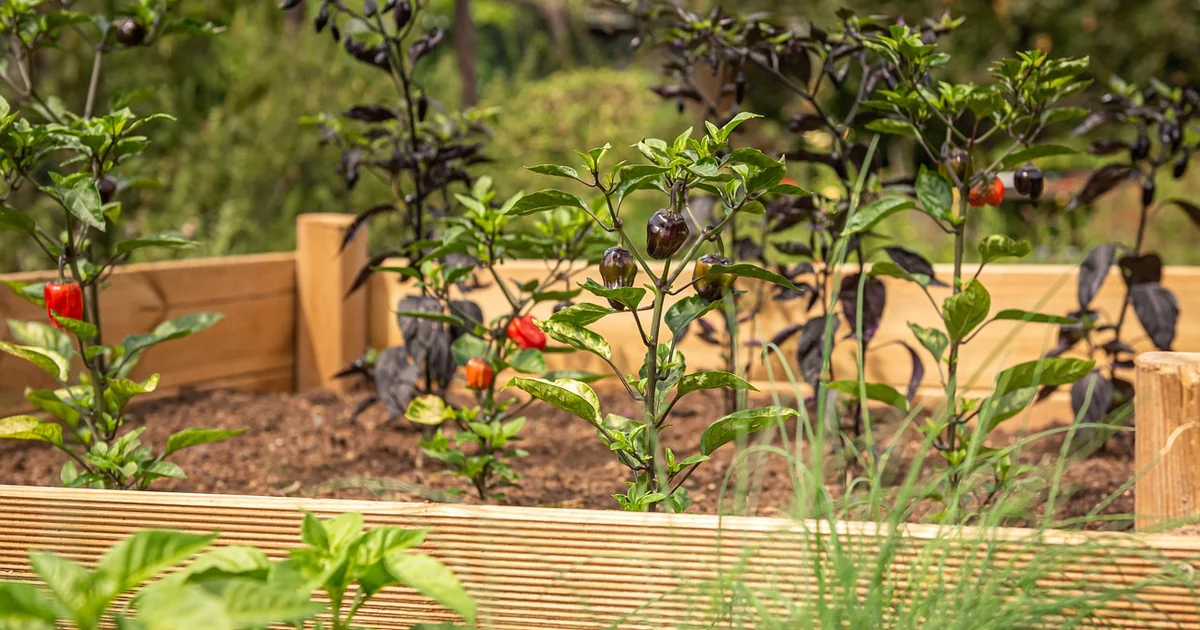
While you can technically square foot garden in the ground, building a raised bed is highly recommended. Raised beds offer numerous advantages, including improved drainage (essential for preventing root rot), easier access for weeding and harvesting, and warmer soil temperatures in the spring. A classic square foot gardening bed is 4×4 feet, but you can adapt the size to fit your space. Consider using untreated cedar or redwood for the bed’s construction – these woods are naturally rot-resistant. A height of 6-12 inches is generally sufficient. Fill the bed with a mix of equal parts compost, peat moss (or coconut coir as a sustainable alternative), and vermiculite. This creates a light, well-draining soil that’s rich in nutrients. The ratio of compost to peat moss can be adjusted based on your local soil conditions; if you have heavy clay soil, you may want to increase the amount of vermiculite to improve drainage. Don’t underestimate the importance of a good foundation – a level bed is crucial for consistent watering and drainage. The cost of materials for a 4x4x12 inch bed typically ranges from $50 to $150, depending on the type of wood and the quality of the materials. It’s a worthwhile investment for a bountiful harvest.
4. Succession Planting: Extending Your Harvest Season
Square foot gardening thrives on succession planting – the continuous planting of crops throughout the growing season. Rather than waiting for the previous crop to completely finish, you plant a new crop in its place. This maximizes your yield and ensures a steady supply of fresh produce. For example, you could plant radishes in early spring, followed by lettuce in the spring, then beans in the summer, and kale in the fall. Succession planting requires careful planning and knowledge of each plant’s growth cycle. Research the days to maturity for each vegetable and space your plantings accordingly. Consider using cold-hardy crops like spinach and kale to extend your harvest into the fall and winter. You can also use row covers to protect your plants from frost and extend the growing season even further. This method is truly the key to getting more than one harvest from a single square foot of garden!
5. Companion Planting: A Natural Partnership
Square foot gardening encourages companion planting – the practice of planting certain vegetables together that benefit each other. This natural synergy can improve growth, deter pests, and enhance flavor. For instance, planting basil near tomatoes can repel tomato hornworms and improve the flavor of the tomatoes. Marigolds are excellent companion plants for many vegetables, as they repel nematodes and other soil pests. Carrots and onions are also good companions – the onion’s scent deters carrot root flies, while the carrots deter onion flies. Be mindful of potential conflicts, such as planting beans near rosemary, which can inhibit bean growth. There are countless combinations of companion plants – research the relationships between different vegetables to create a thriving and balanced garden. A simple way to approach companion planting is to group plants with similar needs together – for example, plants that require full sun should be planted together, and plants that prefer moist soil should be planted together. The beauty of square foot gardening lies in its ability to foster these natural partnerships.
You may also enjoy reading: 7 Ways to Create an Endless Harvest: Succession Planting Art.
6. Watering Wisely: Conserving Resources
Because square foot gardens are densely planted, they require more frequent watering than traditional gardens. However, the compact planting also reduces water waste. Instead of watering a large area, you’re concentrating your efforts on the plants within each square foot. Water deeply and less frequently – this encourages roots to grow deeper, making plants more drought-tolerant. Mulching with straw or wood chips helps retain moisture in the soil and suppresses weeds. Consider using a soaker hose or drip irrigation system to deliver water directly to the roots, minimizing water loss through evaporation. Monitor the soil moisture regularly – stick your finger a few inches into the soil to check for dryness. A good rule of thumb is to water when the top inch of soil feels dry to the touch. Watering early in the morning is ideal, as it allows the foliage to dry before nightfall, reducing the risk of fungal diseases. Efficient watering is a cornerstone of square foot gardening – it’s not just about providing water; it’s about providing it effectively.
7. Managing Pests and Diseases: A Holistic Approach
Dense planting can create a favorable environment for pests and diseases, but square foot gardening offers several strategies for managing these challenges. Start with healthy soil – healthy plants are more resistant to pests and diseases. Practice crop rotation to prevent the buildup of soilborne pathogens. Use organic pest control methods, such as neem oil, insecticidal soap, and Bacillus thuringiensis (Bt) for caterpillars. Encourage beneficial insects, such as ladybugs and lacewings, which prey on pests. Companion planting can also help deter pests – marigolds, for example, repel nematodes. Regularly inspect your plants for signs of pests or diseases and address them promptly. Proper ventilation is also important – avoid overcrowding plants and ensure good air circulation. Square foot gardening promotes a holistic approach to pest and disease management – it’s about creating a balanced ecosystem that supports plant health and minimizes the need for chemical interventions. You’ll find that with careful observation and proactive measures, you can keep your square foot garden thriving and pest-free.
Square foot gardening isn’t just a gardening technique; it’s a mindset – a commitment to efficient space utilization, sustainable practices, and a rewarding connection to your food. With a little planning and effort, you can transform even the smallest space into a productive and delicious garden.