2. Couture Details, Casual Contexts: Reinterpreting Iconic Pieces
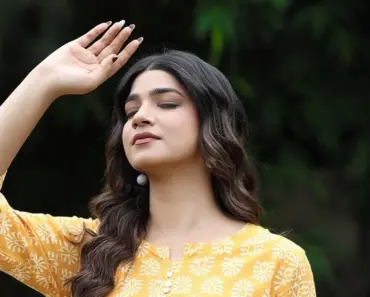
Traditionally, couture elements – like intricate beading, hand-painted silk, and custom embroidery – have been reserved for the most opulent garments. However, we’re now witnessing a blurring of these lines, with high-end brands and designers incorporating these details into everyday wear. Dior’s recent reworking of the Bar Jacket, transforming it into a dramatically ruffled version, is a prime example. It’s a bold statement that elevates a classic piece into something truly special, yet still wearable for a range of occasions. Similarly, Chanel’s tweed suits, a cornerstone of the brand’s heritage, are being styled in a more relaxed way – paired with a simple white T-shirt and jeans. This approach acknowledges the quality and craftsmanship of the garment while also demonstrating its versatility. The move also reflects a broader cultural trend towards valuing quality and craftsmanship over fleeting trends. It’s about investing in pieces that will last, that have a story to tell, and that can be styled in countless ways. It’s a deliberate rejection of ‘fast fashion,’ encouraging a more considered approach to dressing.
3. Sequins & Sweatpants: Unexpected Pairings – The Rise of ‘Dressy Casual’
The idea of pairing a sequined red dress from Celine with a cotton trench coat and leather boots might seem unconventional at first glance. However, this juxtaposition perfectly embodies the spirit of ‘everyday couture styling.’ It’s about taking a piece that’s traditionally associated with a glamorous event and transforming it into something more approachable and wearable. The key is to balance the drama of the embellished piece with more casual elements, creating a look that’s both sophisticated and relaxed. This pairing, and others like it—a heavily jewelry-encrusted top at Givenchy paired with LESET Barb Satin Wide-Leg Pants—demonstrates a willingness to experiment with textures and silhouettes, challenging the traditional rules of dressing. The lower-slung jeans trend, gaining traction with younger consumers, adds a youthful element to an exquisitely embroidered satin top at Erdem, proving that couture details can be integrated into a wider range of styles. This trend highlights a shift in how we perceive luxury—it’s no longer about adhering to rigid codes of dress, but about expressing our individual style with confidence and creativity.
5. Investing in Heirloom Pieces: Building a Capsule Wardrobe
The ‘everyday couture styling’ trend encourages a shift in mindset—moving away from the constant cycle of buying new clothes and towards building a capsule wardrobe of high-quality, timeless pieces. This is about investing in items that you’ll wear repeatedly, that will stand the test of time, and that will become cherished parts of your wardrobe. Consider Conner Ives’ satin embroidered tapestry skirts – they’re a significant investment, but they’re also incredibly versatile and can be styled in countless ways. By focusing on quality over quantity, you can create a wardrobe that’s both stylish and sustainable. This trend also reflects a growing awareness of the environmental impact of the fashion industry – consumers are becoming more conscious of the clothes they buy and how they’re made. It’s a move towards a more mindful and considered approach to dressing, one that prioritizes longevity and sustainability. Shoppers are responding to brands with a clear point of view, especially when that point of view aligns with their own values.
6. Caring for Couture: Longevity and Maintenance
Given the investment involved in many ‘everyday couture’ pieces – intricate beading, delicate embroidery, and luxurious fabrics – it’s crucial to understand how to care for them properly. A key concern for many new investors is the longevity of these embellished pieces. Proper storage is paramount; avoid storing sequins and delicate embellishments in direct sunlight or humid environments, as this can cause fading or damage. Gentle hand washing is often recommended, particularly for silk and satin garments, although dry cleaning can be an option depending on the fabric’s care instructions. Knowing the specific fabric composition of each piece is absolutely key – a velvet jacket will require a different approach than a cotton-blend blouse. Furthermore, learning basic mending skills can extend the life of these garments significantly, allowing you to repair minor tears or loose beads. Investing in a garment extender can also be a lifesaver for pieces with intricate detailing, preventing strain on the fabric and embellishments. This is about more than just preserving the appearance of these garments; it’s about honoring the craftsmanship that went into creating them.
You may also enjoy reading: 25 Travel Items: Flight Needs Covered!.
7. Democratizing Luxury: Couture for the Everyday Woman
Perhaps the most significant aspect of the ‘everyday couture styling’ trend is its potential to democratize luxury. Traditionally, couture has been associated with exclusivity and unattainability, reserved for the wealthy elite. However, by incorporating couture-like details into everyday wear, brands are making these elements accessible to a wider audience. The layering of a couture-like jacket at The Row with tailored trousers, for example, demonstrates that you don’t need to spend a fortune to achieve a high-fashion look. It’s about finding ways to incorporate small touches of luxury into your existing wardrobe, creating a sense of elevated style without breaking the bank. This trend challenges the traditional notion of ‘fast fashion’ and encourages a more considered approach to dressing – a recognition that investing in quality pieces and learning how to style them creatively can be just as rewarding as buying the latest trends. The integration of couture details into everyday pieces suggests a democratization of luxury, making it more accessible and relevant to the modern consumer.
In conclusion, ‘everyday couture styling’ is more than just a fleeting trend; it represents a fundamental shift in how it’s worth noting about fashion and luxury. It’s about embracing quality, craftsmanship, and storytelling, and about finding ways to incorporate these elements into our daily lives. By investing in timeless pieces, learning how to care for them properly, and experimenting with unexpected pairings, we can all elevate our everyday style and create a wardrobe that reflects our personal values and aspirations. It’s a celebration of enduring style – a reminder that true luxury lies not in what we wear, but in how we wear it.