Beyond the Fancy Gadget: Unpacking the Value of Grow Lights for Indoor Plants
Grow lights are often portrayed as a luxurious addition to the gardener’s toolkit – a high-tech solution for extending the growing season or cultivating greenery indoors. But are they truly worth the investment, especially when considering the rising cost of groceries? My own experience with these devices has been a bit of a rollercoaster, oscillating between enthusiastic experimentation and quiet disappointment. Lately, however, I’ve been giving grow lights a serious second look, spurred by a growing awareness of food prices and a desire to take more control over my food supply.
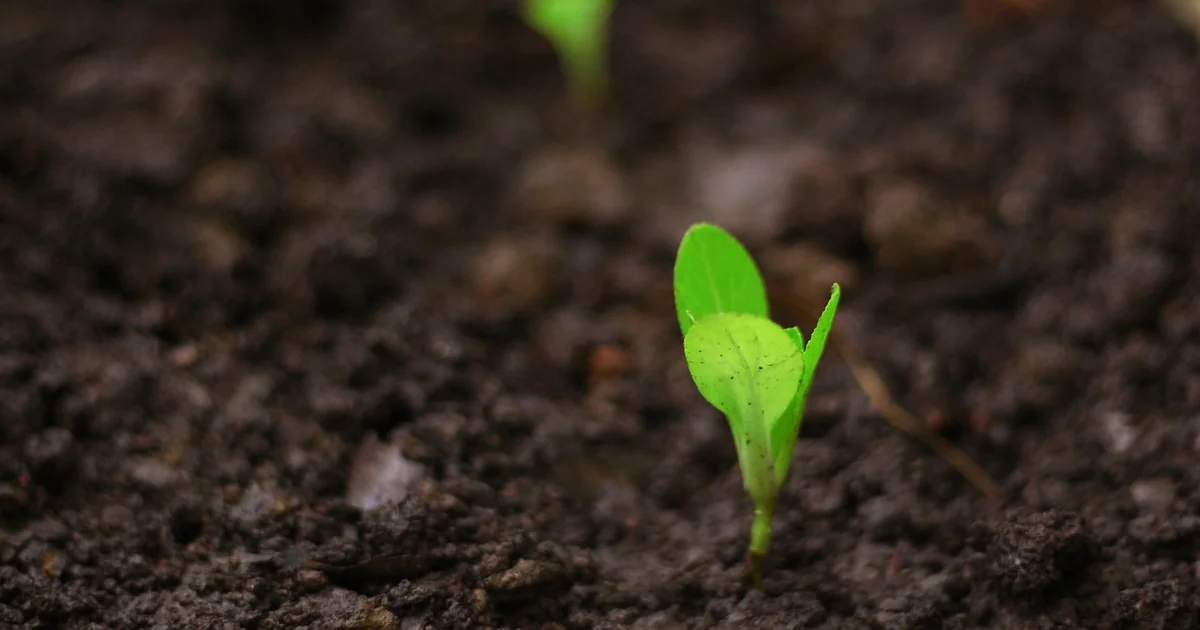
Let’s be clear: grow lights aren’t a magical shortcut to a bountiful harvest. They’re a tool, and like any tool, their effectiveness depends on how you use them. But when implemented strategically, they can significantly impact what you can grow indoors, regardless of the season or your location. Here’s a breakdown of how grow lights can boost your indoor plant game:
1. Extending the Growing Season, Year-Round
This is arguably the biggest draw for most people. Traditional gardening is entirely dependent on favorable weather conditions. With grow lights, that constraint disappears. You can start seeds indoors weeks before the last frost, allowing you to get a head start on your vegetable garden. Similarly, you can continue harvesting leafy greens like lettuce, spinach, and kale long after the outdoor season has ended. I’ve personally used grow lights to consistently produce fresh salad greens throughout the winter months, a luxury I wouldn’t have considered otherwise. The data supports this too: studies have shown that indoor plants under grow lights can exhibit a 20-50% increase in growth rate compared to plants receiving only natural light – a significant advantage when you’re trying to maximize yields.
2. Optimizing Light Spectrum for Plant Health
It’s not just about having light; it’s about what kind of light. Plants use photons— tiny packets of energy—to power photosynthesis, the process by which they convert light into food. Different wavelengths of light are utilized for different purposes. Blue light promotes leafy growth and strong stems, while red light encourages flowering and fruiting. LED grow lights are particularly effective because they can be engineered to emit specific wavelengths – often a combination of blue and red – tailored to the needs of the plant. For example, lettuce seedlings thrive under predominantly blue light, while tomatoes benefit from a greater ratio of red light. The efficiency of LEDs is also a major factor; they consume significantly less energy than traditional incandescent or fluorescent grow lights, typically using 50-70% less power. This translates to lower electricity bills and a smaller environmental footprint.
3. Countertop Gardens: A Surprisingly Compact Solution
Don’t think you need a basement full of grow lights to reap the benefits. A compact countertop grow light system can be a game-changer for small spaces. Models like the ones I’ve used can hold four trays of lettuce, providing ample room for a small-scale food production operation. These systems are often self-watering, making them incredibly convenient. A tray of lettuce can cost around $7.50 CAD at the grocery store, but with a grow light system, you could potentially produce your own for a fraction of that cost. Considering the rising cost of food – approximately $1.20 per pound – a consistent supply of home-grown produce can lead to significant savings over time. I’m talking about roughly $30 per month in potential savings, depending on what you grow and how consistently you harvest.
4. Microgreens Mania: Rapid Harvests in Just Weeks
Beyond lettuce, grow lights are fantastic for cultivating microgreens – tiny seedlings packed with flavor and nutrients. Microgreens, like chervil, sunflower microgreens, and various lettuces, are ready for harvest in just 3-4 weeks. This rapid turnaround means you can enjoy a continuous supply of fresh greens without the commitment of a full-sized garden. They’re also incredibly versatile – adding a burst of flavor and nutrition to salads, sandwiches, and smoothies. The speed of growth with microgreens is a key advantage; you’re harvesting within a month, unlike longer-term crops that take months to mature.
5. Overcoming Seasonal Limitations – Even in Colder Climates
For those living in regions with short growing seasons or challenging climates, grow lights offer a crucial lifeline. I’ve lived in areas where the frost comes early, making outdoor gardening nearly impossible for several months of the year. Grow lights allowed me to bypass this limitation, providing the necessary light for seed starting and early plant growth. In fact, using grow lights can extend the productive period of many plants by several weeks or even months. The science behind this is clear: plants need light to thrive, and grow lights provide that light, regardless of the external conditions.
You may also enjoy reading: Discover the Perfect April Date for Starting Tomato Seeds in Your Goldilocks Zone of….
6. Targeted Lighting for Seed Starting – A Foundation for Success
Seed starting is arguably the most crucial application of grow lights. Providing seedlings with adequate light during this critical stage is essential for strong root development and healthy growth. Without sufficient light, seedlings can become leggy and weak, struggling to establish themselves once transplanted outdoors. Using a grow light specifically designed for seed starting – often with a higher light intensity – can dramatically improve germination rates and seedling vigor. It’s a fundamental step in building a successful indoor garden.
7. Controlled Environments – Consistency and Predictability
Unlike natural sunlight, which can fluctuate throughout the day and vary depending on weather conditions, grow lights offer a consistent and predictable light source. This controlled environment is particularly beneficial for delicate plants that are sensitive to changes in light intensity or duration. You can precisely control the light spectrum, duration, and intensity, optimizing conditions for specific plant types. This level of control allows you to create the ideal growing environment, regardless of the external conditions. Furthermore, consistent lighting reduces the risk of pests and diseases, as plants are less likely to be stressed by fluctuating light conditions.
Cost vs. Yield: Is a Grow Light Garden Economical?
Now, let’s address the elephant in the room: the cost. A decent grow light system, including the lights themselves, a timer, and potentially a few accessories, can range from $150 to $220 initially. This might seem like a significant investment. However, when you factor in the potential savings on groceries, the cost can quickly become justifiable. As I’ve experienced, consistently growing your own salad greens can save you around $30 a month – a tangible benefit that outweighs the initial expense. And, consider the environmental benefits: reducing your reliance on commercially grown produce minimizes your carbon footprint and supports sustainable food practices.
Beyond the Basics: Tips for Success
While grow lights can be incredibly effective, achieving optimal results requires a little knowledge and attention to detail. Here are a few tips to keep in mind:
- Start with Seedlings: Don’t expect a fully mature plant overnight. Start with seedlings to give them a strong foundation.
- Monitor Humidity: Indoor environments can be dry, which can affect plant growth. Consider using a humidifier or grouping plants together to increase humidity.
- Use a Timer: Consistent light cycles are crucial for healthy plant growth. Set a timer to provide 14-16 hours of light per day.
- Clean Your Lights: Dust and debris can reduce light output. Regularly clean your grow lights to maintain optimal performance.
- Choose the Right Light Spectrum: Research the specific light requirements of the plants you’re growing.