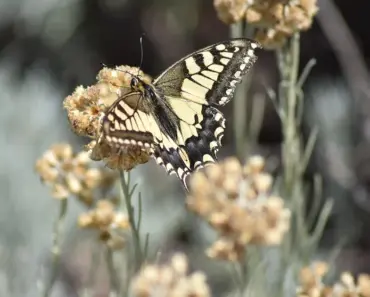
The scent of damp earth, the return of birdsong, and the sudden, vibrant explosions of wildflowers – May is a month brimming with the promise of renewal. But for many, the first instinct is to tackle the lawn, pushing back the encroaching green with a mower. Yet, there’s a growing movement challenging this tradition: No Mow May. Originating in the UK as a simple act of rebellion against overly manicured lawns, No Mow May has blossomed into a genuine effort to support pollinators and bolster local ecosystems. It’s a surprisingly impactful practice, and while the UK’s climate allows for a truly extended period of no-mowing, North America presents a slightly different landscape. This guide delves into the core principles of No Mow May, offering practical strategies to adapt it to your region and create a haven for bees, butterflies, and other beneficial insects – all while reducing your workload. Let’s explore how to make No Mow May a success, one wildflower at a time.
1. Understanding the Roots of No Mow May: More Than Just Letting the Grass Grow Wild
The initial concept of No Mow May was brilliantly disruptive – a deliberate act of defiance against the societal pressure to maintain a perfectly pristine lawn. It was about highlighting the fact that lawns, particularly those dominated by non-native grasses, offer remarkably little sustenance for pollinators. However, the movement has evolved beyond mere resistance. It’s now firmly rooted in ecological awareness, recognizing that allowing grasslands to flourish provides crucial habitat and food sources, particularly in the spring when emerging insects are desperately seeking nectar and pollen. The UK’s success with No Mow May demonstrated that even a single month of letting grass grow can have a significant positive impact on pollinator populations. A study by the Bumblebee Conservation Trust found a notable increase in bumblebee abundance in areas participating in No Mow May, suggesting a direct correlation between the practice and pollinator health. This isn’t simply about aesthetics; it’s about contributing to biodiversity. The idea of No Mow May was to subvert the idea that the first thing you should do in May is treat and mow your lawn, eliminating pollen and nectar sources for helpful insects. This has matured into a more thoughtful approach to lawn management, recognizing the inherent value of a slightly wilder, more diverse space.
2. The Native Weed Advantage: Why Local Blooms Matter
While the image of a lush, verdant lawn might conjure up idyllic scenes, the reality is that many of these lawns are dominated by non-native grasses that offer minimal nutritional value to pollinators. Native wildflowers, on the other hand, have evolved alongside local insect populations, providing the perfect blend of pollen and nectar. Consider dandelions – often dismissed as weeds, they’re a vital food source for bees, butterflies, and other insects, especially early in the season. Similarly, nettles, creeping buttercup, and curly dock are native to the UK and support pollinators. The key is to shift your perspective from “weeds” to “wildflowers,” recognizing their ecological importance. A surprising fact is that many native grasses, like Orchard Grass and Timothy, offer less nutritional value than even dandelions to bees. Research conducted by the University of Vermont’s Extension Service found that native flowering weeds can provide up to 60% more pollen and nectar than non-native grasses. Building a small native planting area reduces mowing and supports pollinators. Focusing on native plants provides the greatest support for local insects – it’s a symbiotic relationship honed over centuries. This isn’t about letting your entire lawn turn into a prairie; even a small patch of native wildflowers can make a difference. Think of it as creating a miniature “pocket prairie” within your yard.
3. A Balanced Approach: 70% Native, 30% Turf (or Less!)
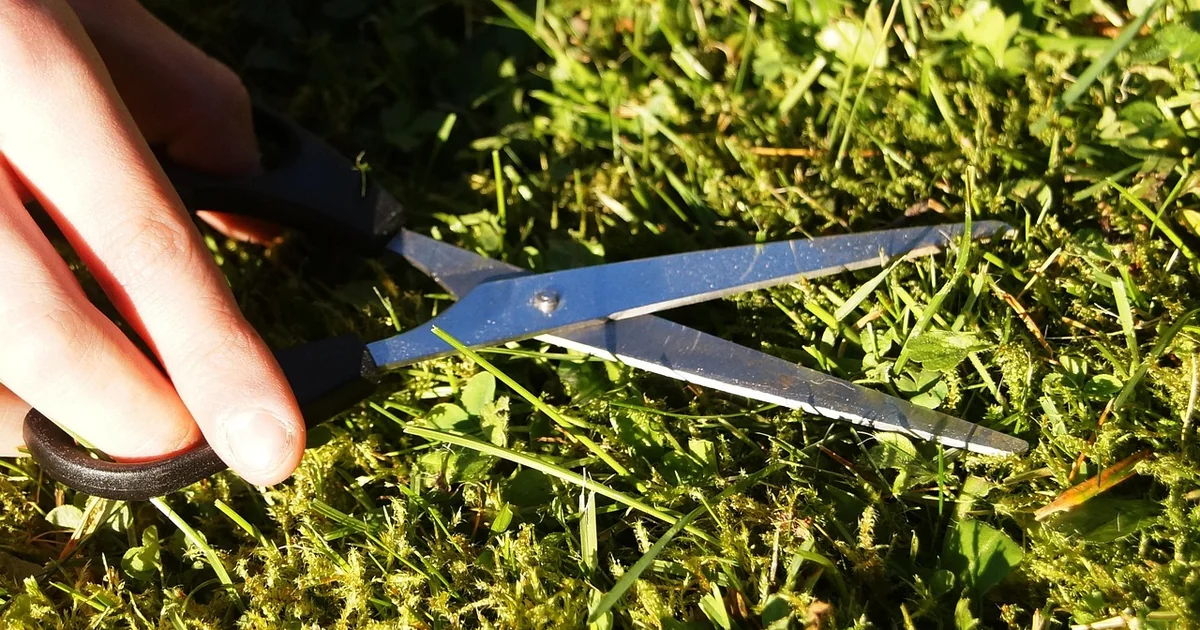
The initial No Mow May campaign in the UK encouraged a complete cessation of mowing, which isn’t always feasible or practical in North America. A more realistic and sustainable approach involves a blend of native wildflowers and a small area of turf. A commonly recommended ratio is 70% native plants and 30% turf – or even less, if possible. This allows you to maintain a usable lawn space while simultaneously providing valuable habitat for pollinators. The 30% turf area can be kept trimmed to a minimal height, reducing the amount of mowing required. Don’t feel pressured to eliminate your lawn entirely; a gradual transition is a far more manageable and ecologically sound strategy. Moreover, consider that a perfectly manicured lawn, often treated with pesticides and herbicides, can actually be less beneficial to pollinators than a slightly wilder, more diverse space. A study published in Biological Conservation demonstrated that lawns with a higher proportion of native wildflowers supported a greater diversity of insect species than those dominated by turf grass. The key is to prioritize native species and create a layered ecosystem.
4. Timing is Everything: Regional Variations in No Mow May
One of the most crucial aspects of successful No Mow May is adapting the practice to your local climate and spring conditions. As we discussed earlier, the UK’s temperate climate allows for a truly extended period of no-mowing. However, North America’s diverse climate zones require a more nuanced approach. In warmer regions, such as the southern United States, No Mow May might extend from late April to June. In cooler regions, such as the Pacific Northwest, it could be more appropriate from late May to early June. Matching no-mow timing to local spring conditions is crucial. Observing your yard and noting when native wildflowers are blooming is essential. Look for signs of plant emergence and actively seek out local resources, such as your state’s extension office, for guidance on native plant species in your area. Consider the impact of the last frost date – you want to ensure that your flowering plants have had a chance to establish themselves before mowing. Don’t be afraid to experiment and adjust your strategy based on your observations. For example, in areas with early spring blooms, a shorter “No Mow Week” might be sufficient to provide a boost to pollinators.
5. Beyond the Lawn: Expanding Your No Mow Zone
No Mow May isn’t just about your lawn; it’s about creating a broader network of pollinator-friendly habitats. Consider extending the practice to other areas of your property, such as borders, edges, and even neglected corners. These areas often harbor a greater diversity of native plants and can provide crucial refuge for pollinators. Furthermore, you can support pollinators by planting native wildflowers in your garden beds, creating a continuous corridor of food and habitat. Even a small container garden filled with pollinator-friendly plants can make a difference. Think about your neighbors as well – encourage them to participate in No Mow May and create a pollinator-friendly neighborhood. Collective action can have a far greater impact than individual efforts. Building a pocket prairie reduces mowing and supports pollinators.
You may also enjoy reading: 11 Regrets You Don’t Want in 20 Years.
6. Identifying Your “Weeds” – A Guide to Native Species
A common challenge for those embracing No Mow May is identifying which plants are considered “weeds” and which are actually beneficial native species. It’s easy to automatically reach for the weed killer, but doing so will eliminate valuable food sources for pollinators. Here’s a guide to some common native flowering weeds and their importance:
- Dandelions (Taraxacum officinale): A vital early-season food source for bees, butterflies, and other insects.
- Nettles (Urtica dioica): Provide protein-rich pollen for bees, particularly during the early spring.
- Creeping Buttercup (Ranunculus repens): Offer nectar and pollen to a variety of pollinators.
- Curly Dock (Rumex crispus): A valuable food source for bees and other insects throughout the growing season.
- Wild Violet (Viola spp.): Provide nectar and pollen to bees and butterflies.
- Yarrow (Achillea millefolium): Attracts a wide range of pollinators, including bees and butterflies.
- Ox-eye Daisy (Leucanthemum vulgare): A favorite food source for bees and butterflies.
Remember, it’s okay to let these plants grow – they’re not pests; they’re part of a healthy ecosystem. Use a plant ID app (like iNaturalist) or consult your local extension office for a comprehensive list of native wildflowers in your area.
7. A Sustainable Shift: Long-Term Lawn Management
No Mow May is a fantastic starting point, but it’s important to consider long-term lawn management strategies. Once No Mow May is over, you’ll need to transition back to mowing, but you can do so more sustainably. Reduce the frequency of mowing – aim for once a month instead of weekly. Raise the cutting height to 3-4 inches – taller grass provides more shade, retains moisture, and supports a greater diversity of plants and insects. Consider alternatives to traditional lawn care, such as clover lawns, which require less mowing and provide habitat for pollinators. Clover lawns are a beautiful and sustainable option that can thrive in shaded areas. Finally, think about reducing the overall size of your lawn – replacing turf grass with native plants or creating garden beds can significantly reduce your mowing needs. Matching no-mow timing to local spring conditions is crucial.
Ultimately, No Mow May is more than just a trend; it’s a shift in perspective – a recognition that letting a little bit of wildness flourish can have a profound positive impact on our environment and the creatures that share our planet. By embracing this simple practice, we can create havens for pollinators, reduce our carbon footprint, and enjoy the beauty of a more diverse and thriving landscape. Let’s cultivate a buzz – one wildflower at a time.