Dealing with Aphids Naturally: A Sustainable Approach to Garden Health
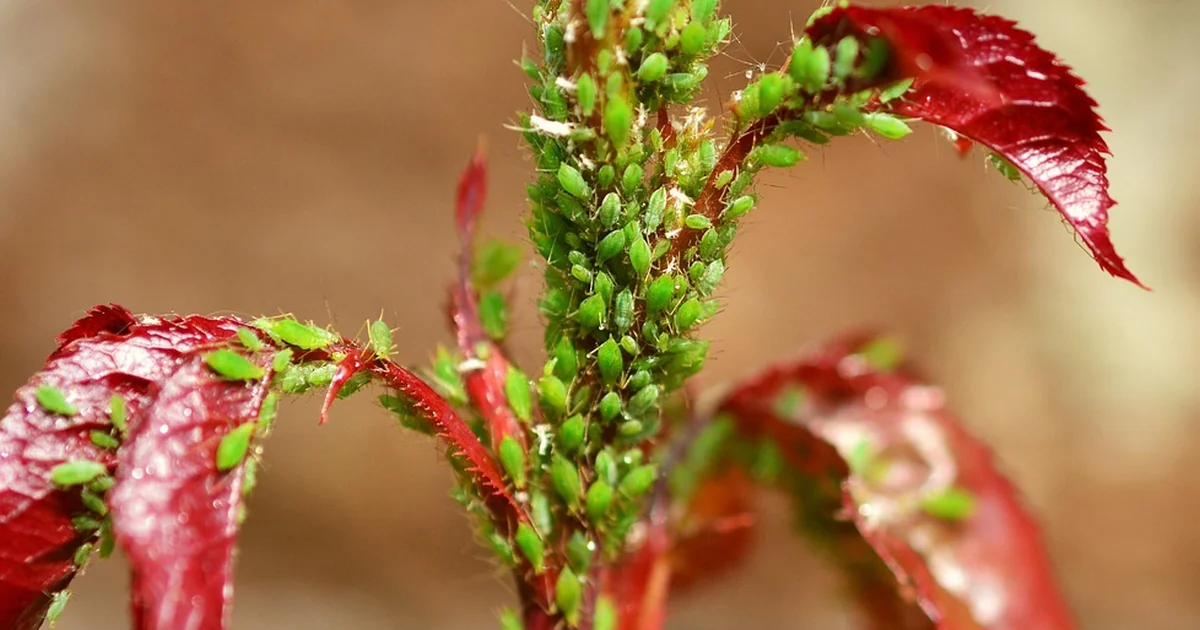
The sight of tiny, shimmering aphids swarming your favorite blooms can be incredibly disheartening – a gardener’s worst nightmare. While chemical sprays might seem like a quick fix, they often disrupt the delicate balance of your garden ecosystem and can harm beneficial insects. This guide explores seven key strategies, focusing on bolstering your garden’s defenses and attracting allies in the fight against these tiny pests. We’ll move beyond simply reacting to infestations and delve into preventative measures and integrated approaches that prioritize long-term garden health. Let’s explore how to control aphids naturally and enjoy a vibrant, productive garden all season long.
Step 1: Start With a Simple Water Spray
The most immediate and surprisingly effective method for controlling aphids is a good, old-fashioned blast of water. Seriously, it’s that simple! Hose down affected plants, targeting the undersides of leaves where aphids tend to congregate. This forceful spray physically dislodges the insects and, crucially, removes their mouthparts. Aphids have piercing-sucking mouthparts, meaning they essentially drill into plant tissue to feed. When you blast them off with water, you’re also removing the tools they use to continue damaging your plants. Think of it like a miniature, natural eviction notice.
However, there are a few important caveats. First, be mindful of the plant’s sensitivity. Plants prone to fungal or bacterial diseases, such as powdery mildew or downy mildew, are particularly vulnerable to water damage. In these cases, it’s best to apply the water spray in the morning shortly before sunrise, allowing the leaves to dry thoroughly before nightfall. This minimizes the risk of fungal growth. Similarly, plants with stems that are easily damaged shouldn’t be subjected to a forceful stream of water. For these delicate specimens, consider alternative methods. This technique is most effective for smaller infestations, offering a quick and immediate response to a localized problem. The initial outlay of a hose and a few minutes of your time can be remarkably effective.
Step 2: Planting for Beneficial Insects
One of the most powerful strategies for deal with aphids naturally is to create a welcoming habitat for beneficial insects. These tiny predators and parasites are nature’s pest control agents, and a diverse community of them can dramatically reduce aphid populations. Ladybugs, lacewings, hoverflies, and parasitic wasps are just a few of the champions you’ll want to attract to your garden. These insects actively hunt and consume aphids, providing a natural and sustainable defense against infestations.
To attract these beneficial insects, incorporate plants that provide them with food and shelter. Umbels (like carrot flowers) and aster family plants (like yarrow and coreopsis) are particularly attractive, as they provide a rich buffet of nectar and pollen. Here’s a chart to help you get started:
Beneficial Insect Attracting Plants
- Yarrow (Achillea millefolium): Attracts lacewings, hoverflies, ladybugs, pirate bugs, and parasitic wasps.
- Dill (Anethum graveolens): Supports tachinid flies, hoverflies, ladybugs, pirate bugs, and parasitic wasps.
- Blanketflower (Gaillardia spp.): Attracts hoverflies, predatory wasps.
- Coreopsis (Coreopsis spp.): Attracts ladybugs, hoverflies, predatory beetles.
- Milkweed (Asclepias spp.): Attracts ladybugs, hoverflies, parasitic wasps, and pirate bugs.
- Coneflower (Echinacea spp.): Attracts a wide variety of beneficial insects, including lacewings and ladybugs.
- Borage (Borago officinalis): A favorite of bees and hoverflies, which in turn prey on aphids.
Remember, creating a diverse garden ecosystem is key. Don’t just focus on these specific plants; incorporate a variety of flowering species to provide a continuous supply of resources for your beneficial insect allies. Consider also planting native species, as they are often best adapted to local conditions and provide the most suitable habitat for native beneficial insects. A little planning can transform your garden into a haven for these tiny heroes.
Step 4: Avoiding Overfertilization
You might think that fertilizing your plants will make them stronger and more resistant to pests, but in reality, overfertilization can actually attract aphids. Excessive nitrogen levels in the soil stimulate rapid growth, producing abundant sugary secretions that aphids find irresistible. These sugary secretions, known as honeydew, also create a sticky residue that can attract sooty mold, a black fungus that further weakens plants. It’s a vicious cycle!
A balanced fertilizer, applied sparingly, is beneficial, but avoid overdoing it. Focus on using organic fertilizers that slowly release nutrients into the soil. Regularly monitor your plants for signs of nutrient imbalances and adjust your fertilization accordingly. A healthy plant, properly nourished, is less likely to be a tempting target for aphids. Remember, less is often more when it comes to fertilizing – striking the right balance is crucial for both plant health and pest control.
Step 5: Pruning Infested Plants
When an aphid infestation becomes severe, pruning can be an effective way to reduce the population and limit its spread. Carefully remove infested leaves and stems, taking care not to damage healthy growth. Dispose of the pruned material away from your garden to prevent the aphids from returning. Pruning also improves air circulation, which can help to dry out any excess honeydew and reduce the risk of sooty mold.
You may also enjoy reading: 7 Ways to Grow Potatoes: A Complete Care Guide.
However, pruning should be used as a supplementary strategy, not a primary method of control. It’s most effective when combined with other preventative measures, such as attracting beneficial insects and maintaining healthy plants. When pruning, focus on removing the most heavily infested areas, leaving the rest of the plant intact. A small amount of pruning can make a big difference in controlling an existing infestation and preventing it from spreading to other parts of your garden.
Step 6: Boosting Beneficial Insect Populations – Beyond Planting
Simply planting beneficial insect-attracting plants is a great start, but you can further boost their populations by providing them with additional resources. Consider creating a small water source, such as a shallow dish filled with pebbles and water, for insects to drink from. Avoid using pesticides or herbicides, which can harm beneficial insects along with the pests. Provide shelter for insects, such as brush piles or rock piles, where they can overwinter and raise their young. The more you create a welcoming environment for beneficial insects, the more effectively they will help you deal with aphids naturally.
You can also attract ladybugs and lacewings with a simple homemade spray. Mix 1 teaspoon of liquid dish soap (without bleach or degreasers) with 1 quart of water. Spray directly on aphids, being careful not to spray the surrounding foliage. This spray will knock aphids off plants, but it can also harm beneficial insects, so use it sparingly and only when necessary. Observe your garden carefully to determine which beneficial insects are present and tailor your efforts accordingly.
Step 7: Ongoing Observation and Integrated Management
Successfully deal with aphids naturally requires ongoing observation and a willingness to adapt your approach. Regularly inspect your plants for signs of aphid infestations, paying close attention to the undersides of leaves. Early detection is key, as small infestations are much easier to control than large ones. Keep a record of your observations, noting the types of plants affected, the severity of the infestation, and the effectiveness of your control measures.
Remember, there is no single magic bullet for pest control. The most effective approach is an integrated management strategy that combines multiple techniques. By combining water sprays, beneficial insect attraction, healthy plant care, and judicious pruning, you can create a thriving garden ecosystem that is resistant to pests and diseases. Embrace a holistic approach to gardening, and you’ll be well on your way to enjoying a beautiful and productive garden without the use of harmful chemicals. It’s a rewarding process, fostering a deeper connection with your garden and a greater appreciation for the natural world.
In summary, deal with aphids naturally isn’t about a quick fix; it’s about building a resilient garden. By understanding the life cycle of aphids, attracting beneficial insects, and maintaining healthy plants, you can create a thriving ecosystem that naturally keeps these pests in check. Enjoy the process, observe your garden, and celebrate your successes!