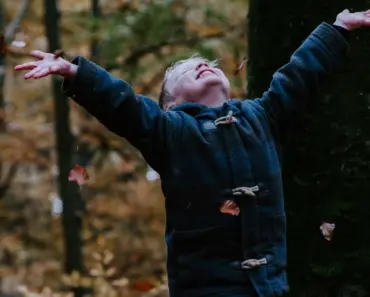
The benefits of mindfulness with kids are many (increased focus, self-control, better mood, better sleep, lower anxiety, etc. etc. to the MOON). But parents often wonder, how the heck do you actually do mindfulness with children? The answer lies in bringing your awareness to the present moment and fully accepting it as is. This runs very counter to the way we function nowadays, chaotic and hurried, scrambling to complete our list of to-do’s or arrive at the next event on our calendar (and therefore operating out of our subconscious/emotion brain).
Practicing mindfulness with children helps them engage their thinking brain (aka frontal lobe or prefrontal cortex) which is in charge of all the great skills that lead to being an emotionally stable and fully functioning human being. Yay!! As a child therapist, I’ve tried dozens of tools, so I want to share my favorite go-to products and apps that will make doing mindfulness activities with kids a snap!
The Best Tools for Mindfulness with Children
Mindful Kids Cards
These awesome flashcards are packed with amazing mindfulness practices for kids. They include 5 categories to fit your child’s mood and situation: start your day, find calm, focus, open your heart, and rest and relax. The illustrations are beautiful and highly engaging for kids, and the length is perfect for most kids aged 3-12.
Glitter/Bubble Wand
Simple toys that are visually engaging work wonders for mindfulness with children by drawing in a child’s focused attention in a calm and relaxing way. These wands are beautiful and I appreciate how the glitter moves very slowly and has lots of detail to promote focus and engagement of the pre-frontal cortex.
Sitting Still Like a Frog
This lovely little book comes with a fantastic CD full of guided meditations, as well as basic theory around why mindfulness is so helpful for kids and tons of beautiful guided meditations. If your child loves books or you’d like to read a bit more on the philosophy and theory of mindfulness, Sitting Still Like a Frog is a great place to start!

Essential Oils
Essential oils are a fantastic tool for mindfulness with children due to their ability to get kids centered in the here and now because of the way the fragrances engage their sense of smell. Our olfactory processing is connected to the area in our brain that’s responsible for processing emotion, which is why people feel a difference in mood after inhaling inviting scents such as lavender or lemon. Not only do essential oils help ground your child in the present moment by engaging their senses, but they also promote deep, therapeutic breathing which is hands down the most powerful way to calm and regulate your child’s brain and body.
Stop, Breathe, Think Kids
For kids ages 3-12, Stop, Breathe, and Think Kids is an amazing way to get started with guided meditations and is how we got started with mindfulness in our home. This app offers a variety of mindfulness exercises and activities that are designed to help kids develop self-awareness, self-regulation, and self-motivation.
Calm
Calm is another excellent app for kids that offers guided meditations, sleep stories, and relaxing music to help kids unwind and relax. This app is perfect for kids who struggle with anxiety or have trouble falling asleep.
Happify
Happify is a great app for kids that offers a variety of games and activities designed to help kids develop positive thinking and emotional regulation skills. This app is perfect for kids who struggle with anxiety or have trouble managing their emotions.
Mindfulness for Kids: A Guide for Parents
As a child therapist, I’ve seen firsthand the positive impact that mindfulness can have on kids. But I’ve also seen how overwhelming it can be for parents to get started with mindfulness practices. That’s why I’ve created a comprehensive guide for parents on how to introduce mindfulness to their kids.
Practicing Mindfulness with Children: Tips and Tricks
- Start small: Begin with short mindfulness exercises and gradually increase the length as your child becomes more comfortable with the practice.
- Make it fun: Use games, activities, and apps to make mindfulness more engaging and enjoyable for your child.
- Be consistent: Practice mindfulness with your child regularly, ideally once a day, to help them develop a consistent routine.
- Be patient: Mindfulness is a skill that takes time to develop, so be patient with your child and remember that it’s okay if they struggle at first.
- Be creative: Use different tools and techniques to find what works best for your child and your family.
Conclusion
Mindfulness with children is a powerful tool that can help improve focus, anxiety, and emotional regulation. By using the best tools for mindfulness with children, such as Mindful Kids Cards, Glitter/Bubble Wand, and Essential Oils, you can help your child develop the skills they need to succeed in life. Remember to start small, make it fun, be consistent, be patient, and be creative, and you’ll be well on your way to raising a mindful and emotionally intelligent child.