I’ve lost count of how many summer mornings I’ve walked out to the garden only to find my squash leaves dusted in what looks like a fine layer of flour. White, splotchy, and spreading fast. If you grow cucurbits, roses, phlox, or even houseplants, you’ve probably seen it too. Powdery mildew is relentless, and the internet’s favorite home remedy — spraying plants with milk — simply never delivered for me, no matter how many times I tried it. After several disappointing seasons, I finally landed on something that actually works: neem oil spray.
Why Milk Fails Against Powdery Mildew
The logic behind the milk remedy sounds reasonable on the surface. Milk contains lactoferrin and other proteins that, when exposed to sunlight, are supposed to create an antiseptic environment on leaf surfaces. In theory, this slows fungal growth. Forums and gardening groups repeat the advice constantly, usually recommending a 40:60 ratio of milk to water applied weekly.
I tried it multiple times across different growing seasons. I used whole milk, skim milk, different dilution ratios, and even adjusted my spraying schedule to catch the brightest part of the day. The results were consistently underwhelming. On zucchini plants, the white film from the milk itself sometimes made it harder to tell whether the mildew was receding or just disguised. On my phlox, the mildew marched right through the milk treatment as if I’d sprayed plain water.
Part of the problem is that milk treatments require near-perfect conditions to have any effect. Cloud cover, humidity spikes, or even a light rain can wash away whatever minimal protection the milk proteins might offer. In my experience, milk never stopped an active infection from spreading. At best, it gave me a few days of false hope before the telltale white patches reappeared on new growth. The reality is that milk simply is not a reliable fungicide for powdery mildew, especially once the disease has established itself.
However, there is one solution that I’ve discovered since then that starts working after just a single application and handles pest problems at the same time. If you’re tired of experimenting with kitchen remedies that don’t deliver, it’s worth understanding why a different approach makes all the difference.
Neem Oil Spray’s Dual Role Against Diseases and Pests
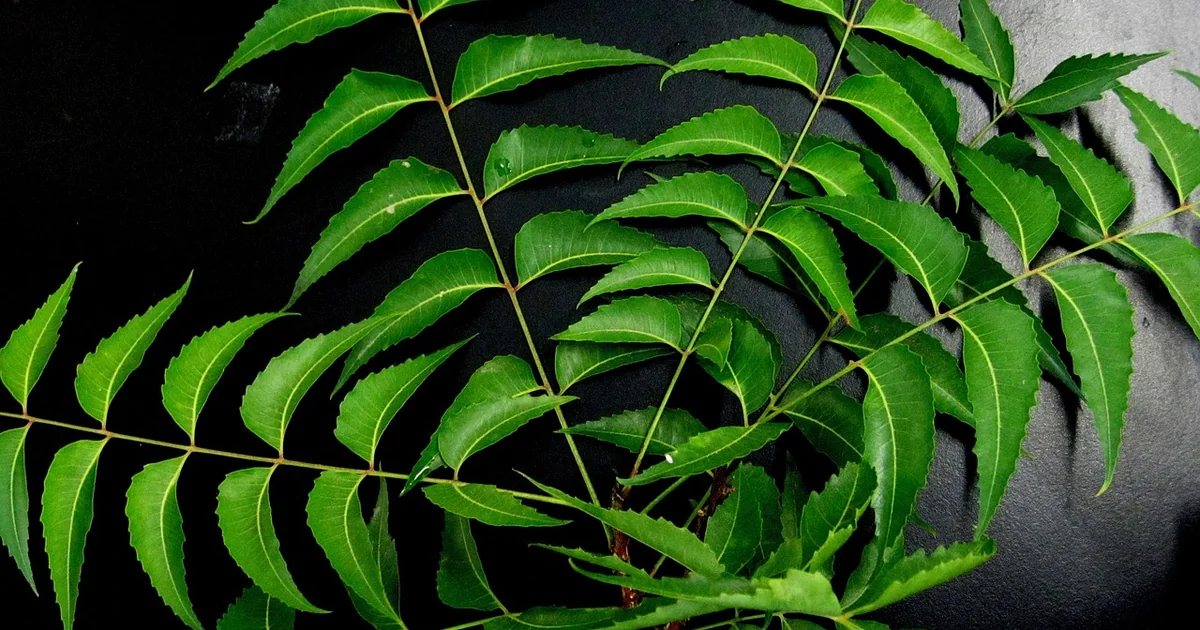
Neem oil spray comes from the seeds of the neem tree, known botanically as Azadirachta indica. This tree has been valued for centuries in its native range across the Indian subcontinent, but its concentrated oil has become a staple for organic gardeners worldwide. What sets it apart from simple contact sprays is the compound azadirachtin, which disrupts the feeding, molting, and reproductive cycles of many soft-bodied insects while also interfering with fungal spore germination.
The versatility is remarkable. Neem oil is organic and safe to use on edible plants, ornamentals, and houseplants without worrying about toxic residues on your harvest. You can find it at nearly any garden center or order it online in ready-to-use formulations or as a concentrate you dilute yourself. Unlike synthetic fungicides that target a single problem, a single bottle of neem oil handles multiple garden headaches simultaneously.
On the disease side, neem oil can prevent a whole host of common garden problems including sooty mold, black spot, and rust. These fungal diseases share a similar weakness: they depend on spores landing on leaf surfaces and establishing themselves. Neem oil creates a thin protective barrier that makes it much harder for those spores to take hold. One of the best uses for neem oil, though, is stopping powdery mildew in its tracks — not by erasing existing damage, but by halting the spread to healthy tissue.
The pest control benefits are equally broad. Neem oil can get rid of scale insects, squash bugs, beetle larvae, caterpillars, lacebugs, leaf hoppers, leafminers, mealybugs, thrips, and whiteflies. That list covers a substantial portion of the pests that frustrate vegetable gardeners and ornamental plant enthusiasts alike. Instead of maintaining separate sprays for mites, chewing insects, and diseases, you’re dealing with one bottle that addresses all three categories.
Protecting Pollinators While Using Neem Oil
Despite being an organic solution derived from a tree, neem oil is not without its responsibilities in the garden. It can negatively impact important pollinators like bees and butterflies if applied carelessly. The same properties that make it effective against pest insects — disrupting feeding and reproductive cycles — can affect beneficial insects that encounter wet spray on foliage or flowers.
The key is timing and targeting. Bees and butterflies are most active during daylight hours, especially from mid-morning through late afternoon when temperatures are warm and flowers are producing nectar. By the time the sun dips below the horizon, most pollinators have returned to their hives or resting spots for the night. This creates a safe window for application.
Apply neem oil in the evening after sunset, when most pollinators are done working for the day. The spray will dry on leaf surfaces overnight, and by the time bees return in the morning, the residue poses far less risk. I also make a point of avoiding blooming plants entirely when I spray. If a plant is in full flower and attracting pollinators, I either skip it or use a highly targeted application on affected leaves only, keeping the spray away from open blossoms.
Another precaution worth taking is protecting any water sources you’ve set out for pollinators. If you maintain a pollinator watering station — a shallow dish with pebbles and water, for instance — make sure it is well away from your spraying zone or covered during application. The goal is not to eliminate neem oil from your toolkit but to use it with enough precision that the beneficial insects in your garden never encounter it directly.
Correct Neem Oil Spray Application Timing and Frequency
For the best results, timing is everything. Neem oil is most effective when applied at the very first sign of powdery mildew — those initial small white circular patches on older leaves. At this stage, the fungal infection is still localized, and a single thorough application often stops the spread completely. Waiting until leaves are heavily coated in white fuzz makes the job much harder because the oil cannot reverse damage that has already occurred.
Neem oil cannot completely eliminate existing powdery mildew that is already visibly coating leaves. What it does is prevent the fungus from producing new spores and colonizing healthy tissue. Once you spray, watch your plants carefully over the next week. If no new white patches appear, the application did its job. If you see the mildew spreading to previously clean leaves, you can reapply after waiting a full 7 to 10 days. Resist the urge to spray more frequently — overusing neem oil can harm tender seedlings and young plants, causing leaf burn or stunted growth.
You may also enjoy reading: 7 May Magnolia Care Tasks to Boost Blooms.
One application often suffices, which is one of the reasons I prefer neem oil over weekly milk sprays that never seemed to get ahead of the problem. The oil coats the leaf surface and remains active for several days, disrupting the fungal life cycle during the window when spores would otherwise germinate. By the time the residue breaks down naturally, the mildew’s momentum is usually broken.
When you do spray, coat both the upper and lower leaf surfaces thoroughly. Powdery mildew spores can settle anywhere, and many pests hide on leaf undersides. A fine mist that covers all surfaces without dripping excessively is ideal. If you are mixing your own concentrate, follow the label instructions precisely — more is not better when it comes to oil-based sprays, and overly concentrated mixtures increase the risk of phytotoxicity on hot days.
Preventive Garden Practices for Powdery Mildew
Ultimately, powdery mildew won’t kill your plants outright. Severe cases can certainly reduce your harvest, weaken perennials, and make ornamentals look unsightly, but the fungus depends on living plant tissue and rarely destroys its host completely. That said, letting it run unchecked through your garden season after season invites heavier spore loads that make future outbreaks harder to control.
The most effective strategy combines neem oil intervention with cultural practices that make your garden less hospitable to fungal diseases. Spacing plants for proper airflow is one of the simplest and most impactful changes you can make. Powdery mildew thrives in stagnant, humid conditions where leaves stay damp for extended periods. When plants are crowded together, air cannot circulate freely, and overnight condensation lingers well into the morning.
Watering practices matter just as much. Use drip irrigation or soaker hoses that deliver water directly to the soil rather than overhead sprinklers that wet the foliage. Keeping leaves dry denies fungal spores the moisture they need to germinate. If you must water from above, do it early in the day so the sun has time to dry the leaf surfaces before evening. Pruning out dense interior growth on bushy plants like tomatoes, squash, and roses also opens up the canopy and reduces humidity around the leaves.
Don’t let the powdery mildew take over while you’re still deciding on a treatment plan. The combination of a well-timed neem oil spray at the first sign of trouble, followed by consistent airflow and smart watering habits, gives your plants a fighting chance. After seasons of watching milk sprays fail, I’ve found this approach to be the most reliable, lowest-effort way to keep both edible crops and ornamental plantings looking healthy through the growing season.
Frequently Asked Questions
Can neem oil spray completely cure powdery mildew that is already on my plants?
Neem oil stops the spread of powdery mildew to healthy tissue, but it does not erase or remove the white fungal growth already present on leaves. Once leaf cells are damaged by the fungus, that portion of the leaf will not turn green again. The key benefit is preventing new leaves, stems, and buds from becoming infected. You can gently wipe heavily affected leaves with a damp cloth to remove some of the visible mildew, then apply neem oil to protect the remaining healthy surfaces.
Is neem oil spray safe to use on vegetables I plan to eat?
Yes, neem oil is organic and safe for use on edible plants including vegetables, herbs, and fruit crops. It breaks down relatively quickly in the environment and does not leave toxic residues that would make your harvest unsafe. As a general practice, wash all produce thoroughly before eating, and observe any pre-harvest interval listed on the product label if you are using a commercial formulation. The oil’s active compounds degrade within days to weeks depending on sunlight and rainfall.
What is the difference between neem oil and other organic fungicides for powdery mildew?
The main advantage of neem oil over single-purpose organic fungicides like sulfur or copper sprays is its dual action against both fungal diseases and a wide range of insect pests in one application. While sulfur and copper are effective fungicides, they do nothing for squash bugs, whiteflies, or mealybugs. Neem oil also tends to be less phytotoxic than copper on sensitive plants when used correctly. However, unlike baking soda sprays that alter leaf surface pH to discourage mildew, neem oil works primarily by disrupting fungal spore germination and insect development, giving it a broader protective effect.
A single reliable spray that addresses powdery mildew and a whole catalog of common pests in one go changes the rhythm of garden maintenance. After spending years fussing with kitchen concoctions that promised more than they delivered, I’ve learned that the simplest, most effective solution is usually the one that’s been quietly working all along.