Imagine your garden transformed by vertical layers of foliage and flowers, turning a simple arbor into a shaded tunnel of color or a plain trellis into a living tapestry. Climbing perennial vines deliver exactly this kind of magic, and they return season after season with minimal coaxing. Whether you need to hide a fence, soften a pergola, or create a private nook, these plants bring height, texture, and wildlife interest. The best part? Once established, they ask for little more than occasional pruning and a sturdy support system. We have included hardiness zones, growth habits, and practical advice so you can select the perfect vine for your specific conditions.
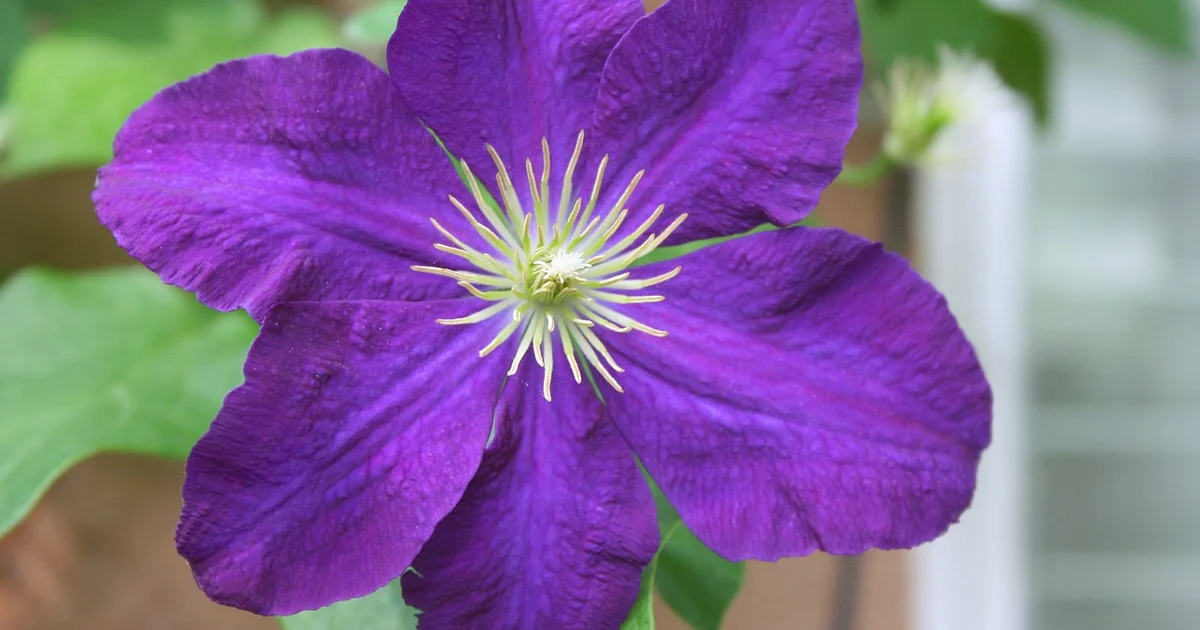
1. Clematis (Clematis spp.)
Few vines rival the floral spectacle of clematis. With roughly 300 species in the genus, most are deciduous climbers that twine their leaf stalks around supports. Popular hybrids like ‘Jackmanii’ and ‘Nelly Moser’ produce large, starry blooms in shades of purple, pink, red, and white. Sweet autumn clematis offers a cloud of small, fragrant white flowers in late summer. These plants thrive in full sun on top with their roots kept cool in shade. Provide a trellis or arbor with thin wires or mesh so the leaf stalks can grip easily. Most varieties grow 3 to 15 feet tall and spread 3 to 20 feet wide.
2. Climbing Hydrangea (Hydrangea anomala ssp. petiolaris)
Unlike many self-clinging vines, climbing hydrangea grows with a stately, manageable pace. It attaches to walls, fences, and large tree trunks using aerial rootlets, and its flat white lacecap flowers appear in early summer. The plant tolerates deep shade, making it a rare gem for north-facing arbors or dark corners. Even after blooms fade, the peeling cinnamon bark and dried flower heads provide winter interest. Expect a mature height of 30 to 50 feet if given a tall support, though it takes several years to establish. Hardy in zones 5 through 9, it prefers rich, moist but well-drained soil.
3. Chocolate Vine (Akebia quinata)
Chocolate vine earns its name from the surprising spicy-sweet fragrance of its brownish-purple blossoms that appear in April. The semi-evergreen leaves are composed of five oblong leaflets, giving the vine a lush, tropical appearance. It climbs by twining and can stretch 15 to 30 feet in a single season. However, its vigorous growth has earned it invasive status in some regions, so check local regulations before planting. In areas where it is not invasive, it makes a fast screen for a pergola or fence. It adapts to full sun or full shade and tolerates sandy or loamy soil.
4. Hardy Kiwi Vine (Actinidia arguta or Actinidia kolomikta)
Gardeners who enjoy unique foliage will love the hardy kiwi. Two species are commonly grown: Actinidia kolomikta features striking variegated leaves with pink and white tips, while Actinidia arguta offers solid green foliage and less aggressive growth. Both produce small, fragrant flowers reminiscent of lily of the valley. The twining vines require a sturdy arbor or heavy trellis to support their weight. They are exceptionally cold hardy, thriving in zones 3 through 9. A mature vine can reach 25 to 30 feet. Note that you usually need both male and female plants for fruit production, though many gardeners grow them purely for foliage.
5. Purple Passionflower (Passiflora incarnata)
Also called maypop, this semi-woody vine produces some of the most complex, exotic flowers in the temperate garden. The intricate purple, white, and pink blooms are followed by edible fruits that taste like tropical guava. The vine climbs using tendrils and can stretch 15 to 20 feet in a season. It is hardy in zones 5 through 9, but in colder areas you can grow it in a container and bring it indoors for winter. The leaves are large and serrated, adding texture. Passionflower attracts bees, butterflies, and is the larval host for several fritillary butterfly species.
6. Trumpet Vine (Campsis radicans)
Native to the southeastern United States, trumpet vine is a powerhouse for attracting hummingbirds with its bright orange-red, trumpet-shaped blooms from summer into fall. It climbs by aerial rootlets and can rapidly cover a large arbor or fence, reaching 30 to 40 feet. Some strains can be aggressive, sending up suckers far from the main plant. To keep it in bounds, plant it in a large container sunk into the ground or prune the roots annually. Full sun and average well-drained soil suit it best, and it is hardy in zones 4 through 9.
7. Climbing Rose (Rosa spp.)
Climbing roses are not true vines but rather large rose shrubs with long, flexible canes that can be trained onto an arbor or trellis. They produce classic romantic blooms in almost every color, often with a strong fragrance. The canes need to be tied to the support structure, and they benefit from annual pruning to encourage flowering. Varieties like ‘New Dawn’ and ‘Zéphirine Drouhin’ are especially reliable. Climbing roses prefer full sun and rich, well-drained soil. They are hardy in zones 5 through 9, though some tolerate colder zones with winter protection. Mature sizes vary widely, typically 8 to 15 feet tall.
8. Honeysuckle (Lonicera sempervirens)
Not all honeysuckles are invasive. The native trumpet honeysuckle (Lonicera sempervirens) offers tubular red or orange flowers that hummingbirds adore and a manageable growth habit. It climbs by twining and reaches 10 to 20 feet. The foliage is semi-evergreen in mild winters, and the vine blooms from late spring through frost. Plant it in full sun for the best flower display. It is hardy in zones 4 through 9 and performs well on arbors, fences, and trellises. Avoid the highly invasive Japanese honeysuckle (Lonicera japonica) unless you have a contained space.
9. Wisteria (Wisteria sinensis or Wisteria floribunda)
Wisteria is the queen of climbing vines when it comes to dramatic, cascading flower clusters. Chinese wisteria and Japanese wisteria are the most common. Both twine vigorously and can climb 30 feet or more, covering massive arbors and pergolas with ease. The mauve, blue, or white racemes hang down like bunches of grapes in spring, often before the leaves appear. However, wisteria requires patience: it can take three to five years to bloom from seed, and it needs strong supports and regular pruning to keep it under control. Hardy in zones 5 through 9, it prefers full sun and deep, fertile soil.
10. Crossvine (Bignonia capreolata)
Crossvine is a lesser-known native that deserves a spot on every gardener’s list. Its trumpet-shaped flowers appear in spring and are orange, red, or yellow, often with a light fragrance. The vine climbs using tendrils and can cling to brick or stone without damage. It is evergreen in mild climates and semi-evergreen in colder zones, giving year-round coverage. Crossvine grows 30 to 50 feet tall and is hardy in zones 5 through 9. It tolerates partial shade but flowers best in full sun. The foliage turns bronze in winter, adding seasonal interest.
11. Evergreen Clematis (Clematis armandii)
For those who want a clematis that retains its leaves in winter, Clematis armandii is the answer. This evergreen species produces clusters of small, star-shaped white flowers with a light vanilla scent in early spring. The thick, leathery leaves stay glossy year-round. It climbs by twining leaf stalks and can reach 15 to 20 feet. Hardy in zones 7 through 11, it is best suited for warmer regions. Provide it with a sheltered spot against a sunny wall or trellis. It requires regular moisture and good drainage.
12. Star Jasmine (Trachelospermum jasminoides)
Star jasmine is not a true jasmine but a twining vine that fills the air with a sweet, heady fragrance from spring to early summer. The small white flowers are shaped like pinwheels, and the glossy green leaves remain evergreen in zones 8 through 11. In cooler climates, it can be grown in containers and overwintered indoors. It grows 15 to 20 feet tall and is ideal for covering an arbor near a patio or entrance. The vines are not aggressive and are easy to manage with light pruning.
You may also enjoy reading: Does Gardening Zone Even Matter? 5 Myths.
13. Silver Lace Vine (Fallopia baldschuanica)
Also known as Russian vine, this fast-growing twiner produces a cloud of small white flowers from midsummer to fall. It is often used to quickly cover an eyesore or create a dense privacy screen. The vine can grow 20 to 30 feet in a single season, but it can become invasive if not kept in check. Choose it for large arbors where you want fast coverage, and be prepared to prune heavily each winter. It is hardy in zones 4 through 9 and tolerant of poor soil.
14. Dutchman’s Pipe (Aristolochia macrophylla)
This vine is named for its unusual, pipe-shaped flowers that appear in early summer, often hidden beneath large, heart-shaped leaves. The foliage alone makes it worth growing — the leaves can reach 10 inches across, creating a dense shade on a pergola. Dutchman’s pipe climbs by twining and grows up to 30 feet. It is hardy in zones 5 through 9 and tolerates partial shade well. The flowers are brownish-purple and not showy, but they are fascinating to examine. This vine is also a host plant for pipevine swallowtail butterflies.
15. Boston Ivy (Parthenocissus tricuspidata)
Boston ivy is famous for its brilliant autumn color — the leaves turn fiery red and orange before falling. It clings to walls and arbors using adhesive discs, so it requires no tying. The vine can climb 40 to 50 feet and is hardy in zones 4 through 8. It grows well in full sun to partial shade. The small blue-black berries are attractive to birds. Because it adheres so strongly, avoid planting it on painted wood surfaces that might need repainting.
16. Virginia Creeper (Parthenocissus quinquefolia)
A close relative of Boston ivy, Virginia creeper has five-lobed leaves that also turn brilliant scarlet in autumn. It climbs via adhesive tendrils and can cover a large arbor quickly. The vine is native to eastern North America and is hardy in zones 3 through 9. It tolerates a wide range of soils and light conditions. Some gardeners find it aggressive, but it can be controlled with annual pruning. The dark berries are an important food source for birds.
17. Bougainvillea (Bougainvillea spp.)
Bougainvillea is a tropical vine that thrives in warm climates (zones 9 through 11), where it can climb 20 to 30 feet and produce vibrant papery bracts in pink, red, purple, orange, or white. It needs a sturdy trellis or arbor and full sun for the best bloom. In colder regions, it can be grown in a large container and moved indoors during winter. The thorns make it a good choice for security along a fence. Bougainvillea blooms in cycles, often with a rest period between flushes.
18. Mandevilla (Mandevilla splendens and others)
Mandevilla is another tropical vine often grown as an annual in cooler climates, but it can be overwintered indoors as a tender perennial. It produces large, trumpet-shaped flowers in pink, red, or white from spring through fall. The glossy leaves are evergreen. It climbs by twining and reaches 10 to 15 feet in a season. In zones 9 through 11, it can be left outdoors year-round. Mandevilla prefers rich, well-drained soil and regular feeding during the growing season.
19. Yellow Jasmine (Gelsemium sempervirens)
Despite its name, yellow jasmine is not a true jasmine but a native southeastern vine that blooms in late winter or early spring with a profusion of fragrant yellow trumpets. The foliage is glossy and evergreen, making it a reliable year-round screen. It climbs by twining and can reach 15 to 20 feet. Hardy in zones 7 through 10, it prefers full sun to partial shade and well-drained soil. All parts of the plant are toxic if ingested, so consider this if you have small children or pets.
Choosing the right climbing perennial vines for your arbor or trellis depends on your climate, the amount of sunlight, and the weight your structure can support. Some vines, like wisteria and climbing hydrangea, become heavy with age and require a strong framework. Others, like clematis and star jasmine, are lighter and easier to manage. Always match the vine’s growth rate and ultimate size to the space available, and be prepared to prune regularly to encourage flowering and prevent overcrowding. With these nineteen exceptional options, you can create a vertical garden that evolves beautifully year after year.