Why May Matters for Your Magnolia
May catches magnolias at a particular moment – blooms are finishing or already gone, new leaf growth is pushing hard, and the tree is actively channeling energy into the season ahead. Solid may magnolia care pays off through the whole season. A few of these tasks only make sense right now – others that get skipped tend to show up as problems later.
Assess After Blooming
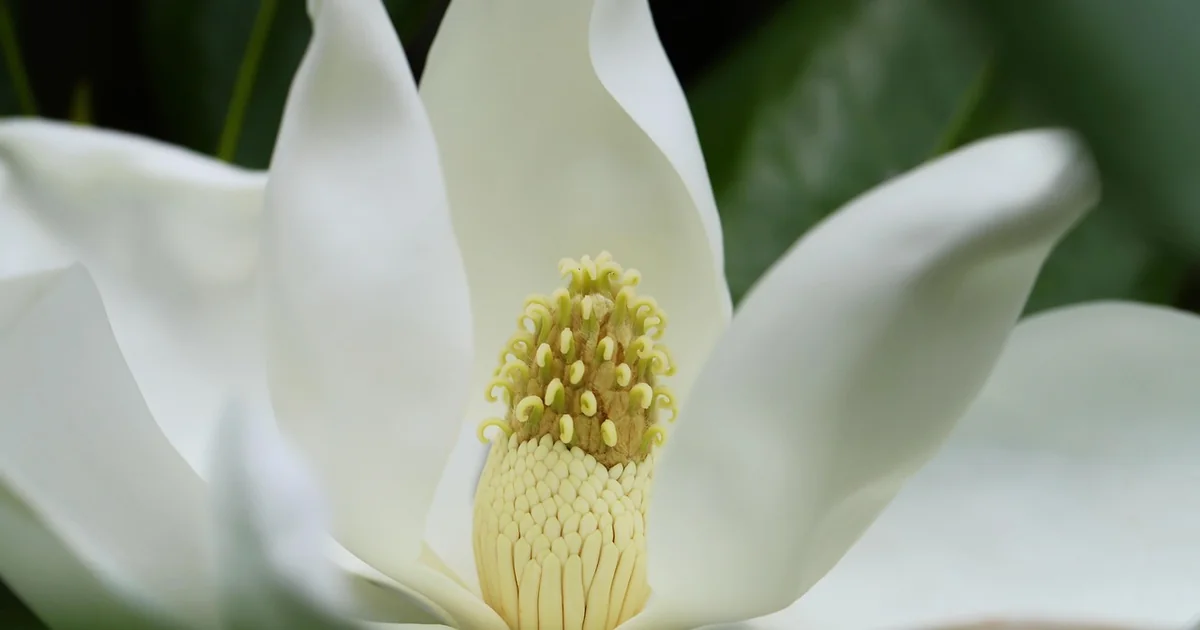
With the flowers down, May is the right moment to actually look at the tree. Browning debris still clinging to branches is easy to spot now; so are crossing limbs that were buried under the blooms, or sections of canopy that seem a bit thinner than last year. Jotting a few notes or snapping a photo is worth the two minutes – it is a lot easier to act on something later when there is a record of what it looked like.
Magnolias do not announce problems early and they recover slowly, so May is a useful checkpoint. Yellowing magnolia leaves spread across the whole canopy is usually systemic – a soil or nutrition issue. Dieback on specific branches is something different – more likely physical damage, a localized fungal problem, or a pest situation that has been going on longer than it looks.
Walk around the tree and look at it from several angles. Check for branches that rub against each other – those crossing limbs can create wounds that invite disease later. Also note whether the canopy appears lopsided or if certain sections seem sparse compared to others. This baseline assessment gives you a clear picture of what needs attention.
What to Look For Specifically
Focus on three categories: dead material, structural issues, and signs of stress. Dead wood is easy to spot – brittle, grayish branches that snap rather than bend. Structural issues include branches growing inward toward the trunk or those with narrow crotch angles that may split under heavy rain or wind. Stress signs include leaf discoloration, unusual leaf drop, or bark abnormalities like cracking or peeling.
Take a photo from the same spot each year. Over time, this visual record reveals patterns you might otherwise miss – a slow decline, a sudden recovery after a wet spring, or a branch that gradually shifts position as it grows heavier. This habit costs nothing but provides valuable data for future care decisions.
Feed with a Balanced Fertilizer
Magnolias are light feeders compared to many ornamental trees, but they are not zero-feeders. In May the tree is actively putting on new leaves and building the bud structures that become next year’s flowers – which means a balanced slow-release fertilizer applied now actually gets used rather than sitting in the soil waiting. Spread granular fertilizer evenly under the canopy out to the drip line and keep it away from the trunk.
Slow-release is the formula to use – quick-release nitrogen pushes a flush of soft growth that does not harden well and tends to bring pest pressure with it. Most established magnolias only need one application; trees in their first few seasons may want a second light feed around midsummer. A 10-10-10 or 12-6-6 formulation works well for most magnolias, but check the specific needs of your variety if you have a less common species.
How to Apply Fertilizer Correctly
Measure the drip line – that is the circle on the ground directly under the outermost branches. This is where the feeder roots are actively absorbing nutrients. Apply the fertilizer evenly across this area, using about one pound of actual nitrogen per 1,000 square feet of canopy area for established trees. For young trees, use half that rate to avoid burning tender roots.
Water the area thoroughly after applying. This helps the granules dissolve and move into the root zone where they can do their work. If you are using a liquid fertilizer, apply it during a regular watering session to ensure even distribution. Avoid getting fertilizer on the trunk or main branches, as this can cause bark damage.
Refresh the Mulch Layer
Magnolias have shallow, fleshy roots that run close to the surface – they do not go deep, which makes them sensitive to what happens at ground level. A mulch layer applied in May slows moisture loss as temperatures start climbing and keeps the root zone from baking in the kind of heat that builds through a full summer. Two to three inches (5–8cm) of organic mulch under the canopy makes a real difference by midsummer, and it cuts down on weed competition while it is at it.
Shredded bark or wood chip mulch works well for this. Pull it back a few inches from the trunk – mulch sitting against the base holds moisture against the bark and that invites rot over time. Extending the ring out toward the drip line matters more than many people bother with, since the feeder roots are operating out there, not right next to the trunk. A tight ring around the base is better than nothing, but it is missing most of where it would actually help.
Choosing the Right Mulch Material
Organic mulches like pine bark, cedar chips, or shredded hardwood are ideal because they break down slowly, adding organic matter to the soil. Avoid using fresh wood chips from tree trimming services, as these can tie up nitrogen as they decompose. Also steer clear of dyed mulches, which may contain chemicals that leach into the soil over time.
Apply mulch in a donut shape around the tree – thickest at the outer edge and tapering to nothing near the trunk. This mimics the natural leaf litter that would accumulate under a tree in the wild. Refresh the layer each spring if it has thinned out, but do not pile on more than three inches total. Too much mulch can create a barrier that prevents water from reaching the roots.
Water Young or Recently Planted Trees
Established magnolias handle dry spells reasonably well once their root systems are mature, but trees planted within the last two or three years are still building that depth. May can be deceptive – there is often enough spring rain that watering feels unnecessary, but a young magnolia putting on its first flush of new growth is pulling a fair amount of moisture. Checking the soil a few inches down is a more reliable read than going by surface appearance.
When watering is needed, slow and deep is the approach that actually builds the root system rather than just wetting the surface. Roots go where moisture is; frequent shallow watering keeps them near the top where heat and drought do the most damage later in summer. A soaker hose placed around the drip line and left running for an hour or two delivers water exactly where it is needed without waste.
Signs Your Magnolia Needs Water
Look for leaves that droop slightly during the hottest part of the day but recover by evening – this is normal. If leaves remain droopy into the next morning, the tree is stressed. Another clue is leaf edges that curl upward or develop a crispy texture. Young trees may also show slowed growth or smaller-than-expected new leaves when moisture is insufficient.
Container-grown magnolias need even more attention. Pots dry out faster than ground soil, especially in May when temperatures start rising and winds pick up. Check container trees daily by sticking your finger two inches into the potting mix. If it feels dry at that depth, water thoroughly until water runs out the drainage holes. During hot spells, container magnolias may need watering twice a day.
Hold Off on Significant Pruning
May is the wrong time to prune magnolias heavily. Cuts heal slower in warm weather and invite fungal infection through open wounds. Light tidying – removing dead wood, crossing branches, or broken limbs – is fine any time. But structural pruning is better saved for late summer or early fall when the tree is entering dormancy and wounds heal more efficiently.
You may also enjoy reading: 5 Dahlia Fertilizer Secrets for Giant Blooms.
Heavy pruning in May also removes the leaf canopy that is actively photosynthesizing and feeding the tree. This can set back growth for the entire season and reduce next year’s flower production. If you are tempted to reshape a magnolia that has grown too large, wait until August or September when the tree is preparing for winter and can direct energy toward healing rather than leaf production.
What Light Tidying Looks Like
Remove any branches that are clearly dead – these snap easily and have no green tissue beneath the bark. Also take out branches that rub against each other, as the friction creates wounds that pathogens can enter. Cut any broken limbs back to a healthy branch collar, leaving a clean wound that will seal over naturally.
Use sharp, clean pruning tools. Disinfect blades between cuts if you are removing diseased wood, using a solution of one part bleach to nine parts water or rubbing alcohol. Make cuts at a slight angle just above a bud or lateral branch, leaving no stubs that could rot back into healthy wood. Dispose of pruned material away from the tree to prevent disease spread.
Monitor for Pests and Diseases
May is prime time for magnolia pests to become active. Scale insects, magnolia borers, and spider mites all emerge as temperatures warm. Early detection makes treatment far more effective. Look for sticky residue on leaves or the ground beneath the tree – this honeydew is a sign of scale or aphids. Small holes in the bark, especially near the base, may indicate borer activity.
Fungal diseases like powdery mildew and leaf spot also appear in May, especially during wet springs. Powdery mildew looks like white powder on leaves, while leaf spot causes dark, water-soaked patches. Both are more cosmetic than deadly for established trees, but heavy infestations can weaken young trees and reduce bloom potential for the following year.
Natural Control Methods
For minor pest issues, a strong spray of water from the hose can dislodge aphids and spider mites. Horticultural oil applied according to label directions smothers scale insects and their eggs. Neem oil works well against both pests and fungal diseases, but avoid applying it during the heat of the day or when temperatures exceed 85°F (29°C).
Encourage beneficial insects like ladybugs and lacewings by planting nectar-rich flowers nearby. These natural predators keep pest populations in check without chemical intervention. If you must use an insecticide, choose one labeled for ornamental trees and apply it only to affected areas rather than broadcasting it across the entire tree.
Prepare for Summer Heat
May is the bridge between spring’s mild weather and summer’s intensity. Taking a few steps now can prevent stress when temperatures spike. If your magnolia is in a location that gets afternoon sun, consider whether it needs protection. Young trees, especially, can suffer leaf scorch when exposed to strong afternoon light combined with drying winds.
Check the soil pH while you are at it. Magnolias prefer slightly acidic soil between 5.5 and 6.5. If your soil is too alkaline, the tree may struggle to absorb nutrients even if they are present. A simple soil test kit from a garden center gives you the information you need. If the pH is too high, sulfur or acidic mulch like pine needles can help lower it gradually.
Creating a Summer Care Calendar
Based on your May assessment, make a note of what the tree will need in June, July, and August. Young trees may need weekly deep watering during dry spells. Established trees might only need supplemental water during extended droughts. Mark your calendar to check mulch depth in July and replenish if it has thinned to less than one inch.
Also note any pest or disease issues you spotted in May. If you treated scale or powdery mildew, plan a follow-up treatment in four to six weeks. Keeping a simple log of what you did and when makes next year’s may magnolia care even more effective, because you will have a record of what worked and what did not.
The Payoff of May Magnolia Care
Solid may magnolia care pays off through the whole season. The assessment you do now catches problems early. The fertilizer you apply feeds next year’s flowers. The mulch layer keeps roots cool and moist through summer heat. Young trees watered deeply in May develop root systems that handle drought better in years to come.
Magnolias are slow to show distress and slow to recover, so a proactive approach in May is not just helpful – it is essential. By addressing these seven tasks while the tree is actively growing, you set the stage for a healthy, blooming magnolia that rewards you with stunning flowers year after year. The effort you invest this month returns dividends for the entire growing season and beyond.