The Quiet Magic of Spring: Preparing Your Japanese Maple for a Vibrant Season
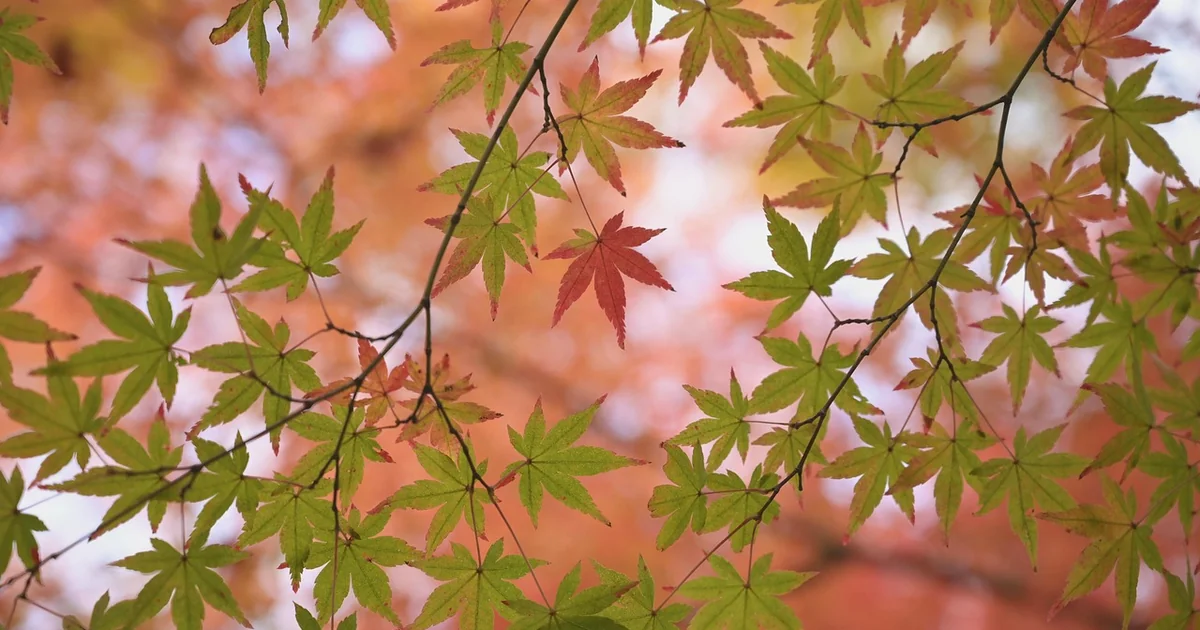
Ah, the magic of Japanese maples in spring! Even against a backdrop of spring-blooming bulb flowers popping out colorful heads, these small, beloved maple trees stand out. Japanese maples start their blooming period in March or April. Their tube-shaped flowers appear in shades of red, purple, yellow, or pink. The blossoms are lovely, but the long-lasting appeal of these trees comes more from their stunning foliage and graceful structure. With proper Japanese maple care, your tree can last for five decades or more. Keeping your Japanese maple healthy and thriving isn’t just about admiring its beauty; it’s about nurturing a living piece of art that can grace your landscape for generations. April is a crucial month for these sensitive trees, a time to assess, adjust, and ensure they’re primed for a season of spectacular growth and vibrant color. Let’s delve into 13 essential tasks to make that happen.
1. Inspect for Winter Damage – A Gentle Examination
The first step in ensuring your Japanese maple’s success this spring is a thorough inspection for any winter damage. As I mentioned, Japanese maples are often grafted to hardy rootstock, a clever technique to bolster their resilience and ensure they’re adapted to a wider range of conditions. This grafting point – that subtle line on the trunk – is a critical area to examine. Any new growth below the graft line is entirely the maple’s own, and it needs to be pruned away. This is because the rootstock will continue to grow, eventually overwhelming the maple’s top growth and hindering its development. It’s a delicate process, requiring a sharp, sanitized pruning tool. The goal is to redirect the tree’s energy towards its own foliage and flowers, not towards the rootstock. The timing is important—do this in April, before the tree starts putting on too much new growth. Looking for damage also extends to the branches themselves. A slow, deliberate walk around the tree, observing from different angles, will reveal any broken limbs, split branches, or areas of dieback. These injured parts should be carefully pruned off, making clean cuts just above a healthy bud or branch. Remember to sanitize your pruning shears between cuts to prevent the spread of disease. The average lifespan of a well-cared-for Japanese maple is approximately 50-75 years, but a prompt response to winter damage can significantly extend that longevity.
2. Light Pruning – A Gentle Touch
Spring is not the time for a full-scale reshaping of your Japanese maple. It’s simply too vulnerable at this stage. The tree is just waking up from dormancy, and its growth is still tentative. Heavy pruning now can shock the tree and set it back significantly. Instead, focus on light, structural pruning in April. This means removing any crossing branches – those that rub against each other – and strategically eliminating branches that are growing inward, obstructing light and air circulation. These minor adjustments will allow the tree to establish a strong, well-balanced framework for future growth. Consider the overall shape of the tree; aim for an open, airy form that maximizes sunlight penetration and minimizes the risk of fungal diseases. Japanese maples are known to thrive in environments where air can circulate freely. A dense canopy can trap moisture and create ideal conditions for disease development. For a truly compact Japanese maple, or one that’s growing in a confined space, you might consider a bit of crown reduction, but proceed cautiously and only remove a small percentage of the foliage at a time. A good rule of thumb is to never remove more than 25% of the tree’s foliage in a single season.
3. Water Wisely – The Importance of Moisture Balance
The weather in April can be incredibly unpredictable, varying dramatically from region to region. Some areas experience a deluge of spring rain, while others remain dry and cool. Regardless of your local climate, understanding your Japanese maple’s water needs is paramount. Japanese maples are not drought-tolerant; they prefer a consistently moist, but not soggy, soil. The key is to find that sweet spot – enough moisture to encourage healthy growth, but not so much that the roots are suffocated. Check the soil moisture regularly by sticking your finger about two inches into the ground. If it feels dry to the touch, it’s time to water. Deep watering is crucial—aim to saturate the root zone thoroughly. A slow, steady watering over a period of 30 minutes to an hour is more effective than a quick burst of water. Avoid watering the foliage directly, as this can encourage fungal diseases. In areas with ample rainfall, you may only need to water once or twice a week. However, in drier climates, more frequent watering may be necessary. The overall goal is to establish a healthy root system, which is the foundation of a thriving Japanese maple.
4. Soil Review – Addressing Compacted Earth
Japanese maples are notoriously sensitive to compacted soil. Winter’s freeze-thaw cycles can compact the soil around the roots, creating a tight, impenetrable barrier that hinders water flow and oxygen availability. Compacted soil is a significant obstacle to a Japanese maple’s health – it’s like trying to force water through concrete. Fortunately, there are several steps you can take to alleviate this issue. The first is aeration – creating small tunnels in the soil to improve drainage. You can either dig small trenches, about 6-8 inches deep and 2-3 inches wide, radiating outwards from the base of the tree, or use an aerator tool. These tools create a series of small holes in the soil, allowing air and water to penetrate the root zone. After aerating, amend the soil with organic matter, such as compost or well-rotted manure. Organic matter improves soil structure, increases water retention, and provides essential nutrients for the tree. A healthy soil ecosystem is vital for the long-term health and vigor of your Japanese maple. The average diameter of a Japanese maple’s root system is about 4-6 inches, so ensure your soil amendments penetrate that depth.
5. Mulch – A Protective Blanket
Mulching is one of the simplest and most effective ways to protect your Japanese maple and promote healthy growth. A generous layer of mulch, typically 2-4 inches deep, should be applied around the base of the tree, extending outwards to the drip line (the outermost branches). Wood chips are an excellent choice for mulch, as they break down slowly, providing long-lasting moisture retention and weed suppression. Mulch helps retain moisture in the soil, reducing the need for frequent watering. It also protects the roots from extreme temperature fluctuations, shielding them from both heat and cold. Furthermore, mulch suppresses weed growth, reducing competition for nutrients and water. Finally, as it decomposes, mulch adds organic matter to the soil, improving its fertility and structure. Avoid piling mulch directly against the tree trunk, as this can create a moist environment that encourages rot. Maintain a few inches of space between the mulch and the trunk to allow for air circulation.
6. Monitor for Pests – Early Detection is Key
Spring is a time of renewed growth for Japanese maples, which also attracts a variety of pests. Keep a watchful eye out for signs of infestation, such as leaf discoloration, webbing, or chewed foliage. Common pests that can affect Japanese maples include aphids, spider mites, and scale insects. If you spot any pests, take action promptly. Start by washing the foliage with a strong stream of water to dislodge the pests. For more severe infestations, you may need to use an insecticidal soap or horticultural oil. Always follow the product label instructions carefully. Early detection and treatment are crucial for preventing pest damage from becoming widespread. A good rule of thumb is to inspect your tree at least once a week during the growing season.
7. Fertilize Strategically – Nourishing the Roots
Once your Japanese maple has begun to show signs of new growth in April, it’s time to consider a light feeding. However, avoid over-fertilizing, as this can stress the tree and hinder its growth. Choose a balanced fertilizer with an NPK ratio of 10-10-10 or similar. Apply the fertilizer around the base of the tree, avoiding direct contact with the trunk. Water the fertilizer into the soil to ensure it’s evenly distributed. Japanese maples benefit from a slow-release fertilizer that provides a steady supply of nutrients over an extended period. Avoid using high-nitrogen fertilizers, as this can promote excessive leaf growth at the expense of flower production.
8. Protect from Sunlight – Shielding Young Trees
Young Japanese maples, especially those recently transplanted, are particularly vulnerable to sunscald. Sunscald occurs when the bark on the south-facing side of the tree is exposed to intense sunlight, causing it to dry out and crack. To protect your tree from sunscald, consider applying a tree wrap or burlap to the trunk during the hottest part of the day. This will shield the bark from direct sunlight and help maintain a consistent temperature.
9. Observe Leaf Color – A Sign of Health
Pay close attention to the color of your Japanese maple’s leaves. Healthy leaves are typically a vibrant green. Yellowing or browning leaves can be a sign of nutrient deficiency, disease, or insect infestation. If you notice any unusual leaf discoloration, investigate the cause and take corrective action.
10. Check the Graft Line – Ongoing Vigilance
Remember that Japanese maples are often grafted. It’s not enough to check the graft line in April. Continue to monitor it throughout the growing season. Any new growth below the graft line requires pruning to maintain the tree’s health and shape. This is an ongoing task that requires regular attention.
11. Review the Weather – Adapting to Local Conditions
April weather can be unpredictable. Stay informed about upcoming weather patterns and adjust your care accordingly. If a frost is predicted, cover the tree to protect it from damage. If heavy rain is expected, avoid overwatering.
12. Document Your Observations – Tracking Progress
Keep a record of your observations, including any problems you encounter and the actions you take to address them. This will help you track the tree’s progress and identify any potential issues early on. A simple notebook or spreadsheet can be a valuable tool for monitoring your Japanese maple’s health.
13. Enjoy the Beauty – Appreciating Your Investment
After all your hard work, take a moment to appreciate the beauty of your thriving Japanese maple. These trees are a source of joy and inspiration for countless homeowners.
In summary, April is a vital month for Japanese maple care. By addressing winter damage, pruning lightly, watering wisely, reviewing the soil, mulching, monitoring for pests, and fertilizing strategically, you can ensure that your tree thrives and rewards you with stunning foliage and beautiful flowers for years to come. Remember, a little bit of attention goes a long way in nurturing these beloved trees.
Spring is a time of renewal, and your Japanese maple is poised to embrace it. With these 13 essential tasks, you’ll be well on your way to a season of vibrant beauty and lasting enjoyment.
You may also enjoy reading: 5 Essential April Tomato Care Tips for a Bountiful Harvest.